A Culinary Trip to Oaxaca: What to Eat, See & Experience
A personal journey through Oaxaca’s food, traditions, history, art and communities.
I thought I knew Mexican food. Then I went to Oaxaca.
I grew up with Mexican food, I’ve traveled throughout Mexico, and I certainly wasn’t arriving in Oaxaca expecting Mexican food itself to be a revelation. But almost immediately, I realized the food here was different from anything I had experienced elsewhere in the country.
There were flavors I couldn’t immediately identify. Herbs I had never tasted. Smoke from traditional cooking. Moles with incredible depth. And tlayudas — which, quite frankly, were to die for.
I went to Oaxaca because I wanted to experience the city through its food, but the trip became about much more than restaurants. Food became a way into the traditions, history, art and communities that make Oaxaca so distinctive.
Why Oaxaca Tastes Different
One of the things I loved most was discovering ingredients that were completely new to me.
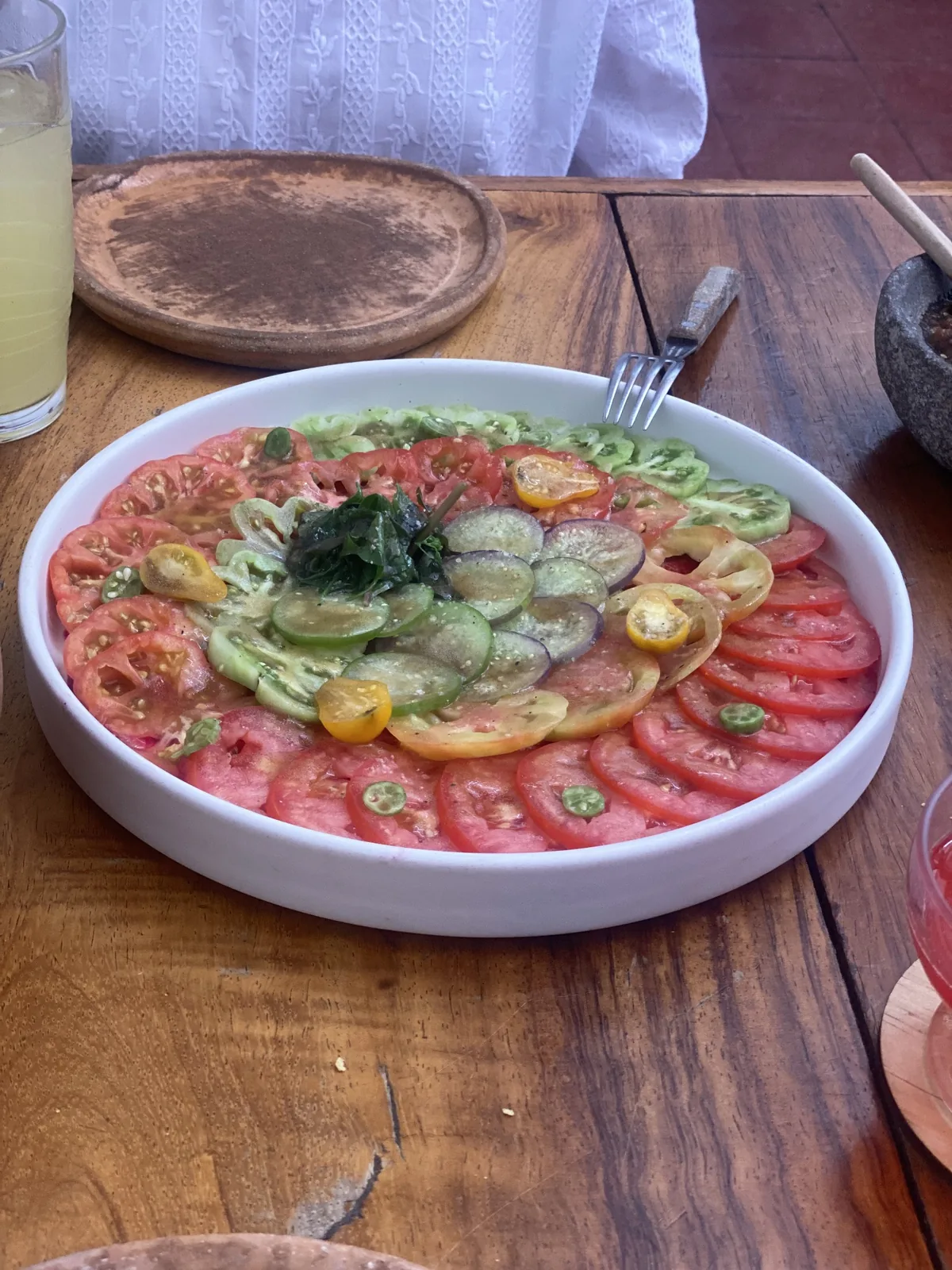
Hierba santa, an aromatic leaf used in traditional Mexican cooking, appeared in dishes in ways I hadn’t experienced before. I also encountered hierba de conejo, another local herb that was completely new to me.
It reminded me just how regional Mexican cooking really is. The ingredients and techniques can change dramatically from one part of the country to another.
And then there was the smoke.
The traditional *cocina de humo* was one of the things that stayed with me most. Wood-burning fires, clay cookware and comales are part of cooking traditions that have been passed through families and communities for generations.
You taste the smoke in the food, but it isn’t there because a chef decided smoky food was fashionable. It comes from a much older way of cooking.
And yes, I ate tlayudas.
More than once.
I regret nothing.
Three Very Different Restaurants
Please don’t ask me which restaurant was my favorite.
I tried.
I can’t choose.
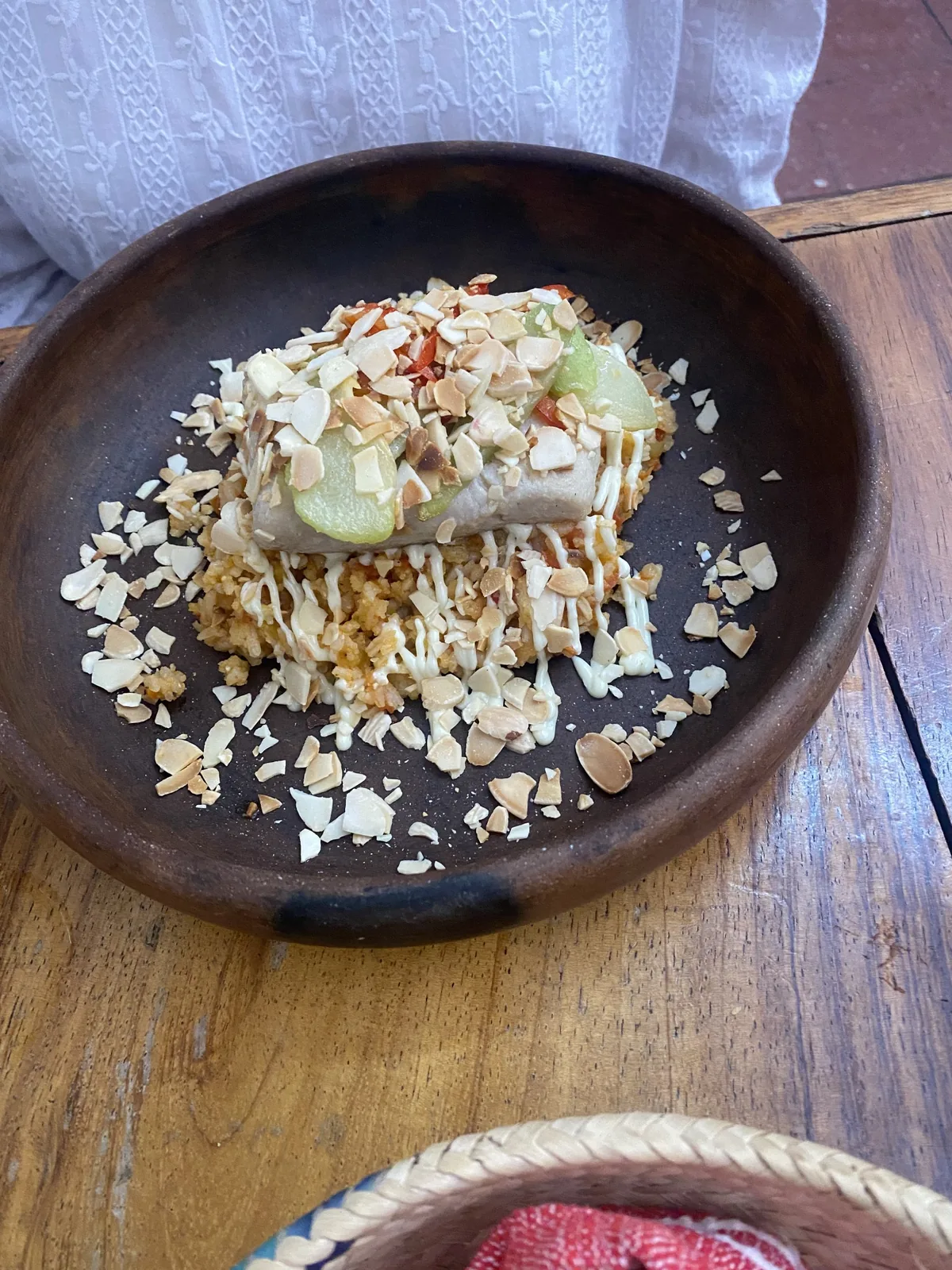
I ate at Levadura de Olla, Criollo and Alfonsina, and all three were delicious. More importantly, they were completely different experiences.
Levadura de Olla
Levadura de Olla helped me understand some of what I was tasting throughout Oaxaca.
Chef Thalía Barrios is from San Mateo Yucutindoó in Oaxaca’s Sierra Sur, and her cooking is rooted in traditional Oaxacan recipes, local ingredients and memories of the food from her hometown.
Today, Levadura de Olla holds one Michelin star.
What I liked, though, was that the food didn’t seem designed to make Oaxacan cooking more familiar to visitors. It made me pay attention to ingredients and combinations I didn’t already know.
This was exactly the kind of meal I had come to Oaxaca hoping to experience.
Criollo
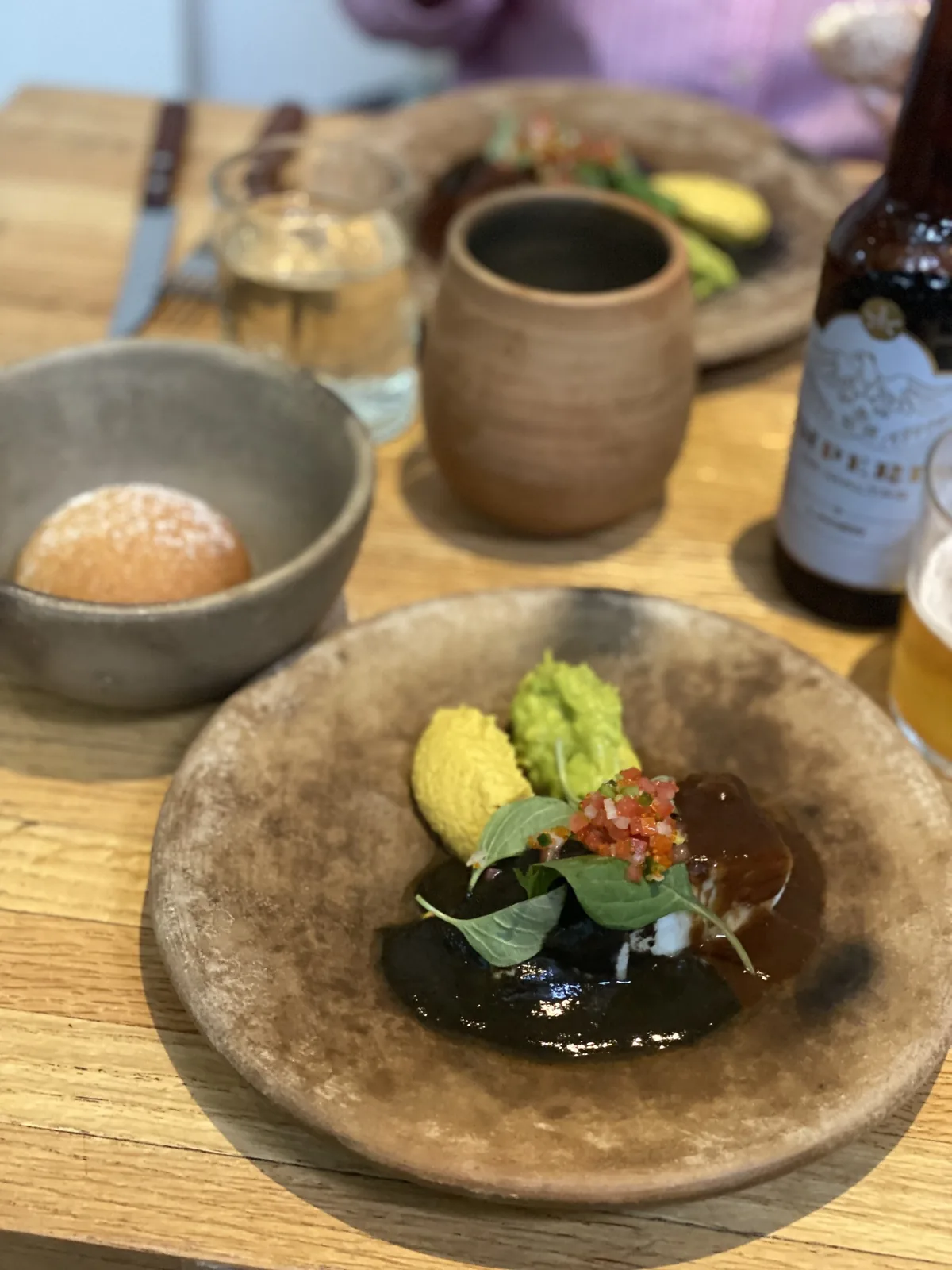
Criollo felt different again — more polished and contemporary, but still very much connected to Oaxaca.
The restaurant serves a tasting menu based on traditional Oaxacan recipes and local ingredients. It is currently included in the Michelin Guide as a Michelin Selected restaurant.
By this point in the trip, I was beginning to understand something I hadn’t fully appreciated before arriving: there really isn’t one single definition of “Oaxacan food.”
The geography, communities, ingredients and traditions within the state create enormous variety.
Alfonsina: The Recommendation I’m Glad I Followed
Alfonsina was the more off-the-beaten-path choice, and I probably wouldn’t have discovered it on my own.
It was recommended to me by chef Alfonso “Poncho” Martinez of **Lugya'h by Poncho's Tlayudas**, located inside [**Maydan Market**](https://www.maydanmarket.com/) in the West Adams neighborhood of Los Angeles.
When an Oaxacan chef tells you where to eat in Oaxaca, you listen.
I later learned that Alfonsina’s chef, Jorge León, had worked with Enrique Olvera’s restaurant group, including Pujol in Mexico City and Cosme in New York, before returning to Oaxaca.
Today Alfonsina is recognized by Michelin with a Bib Gourmand, which is awarded to restaurants Michelin considers especially good value.
But none of those credentials were what made the experience memorable to me.
Jorge returned to the community where he grew up and created Alfonsina with his mother, Elvia, and his family. The restaurant is named for his grandmother.
It felt personal and connected to family and place — exactly the kind of restaurant I love discovering when I travel.
Oaxaca Isn't Only About Destination Restaurants
I also don’t want to give the impression that you need reservations at acclaimed restaurants to eat well in Oaxaca.
You absolutely don’t.
Some of my meals were special-occasion experiences, although I was pleasantly surprised by the prices, especially compared with what a Michelin-recognized meal can cost in other destinations.
But good food in Oaxaca is everywhere.
Mercado 20 de Noviembre was on my list, and I simply ran out of time. Its famous *pasillo del humo* is filled with the smoke of meats such as tasajo, cecina and chorizo cooking over fire, served with handmade tortillas, salsa and other accompaniments. The market is also filled with traditional cooks and foods ranging from mole and tlayudas to chocolate and pan de yema.
I’m still annoyed that I missed it.
Apparently I needed an extra stomach and an extra week.
And Don’t Skip the Bakery
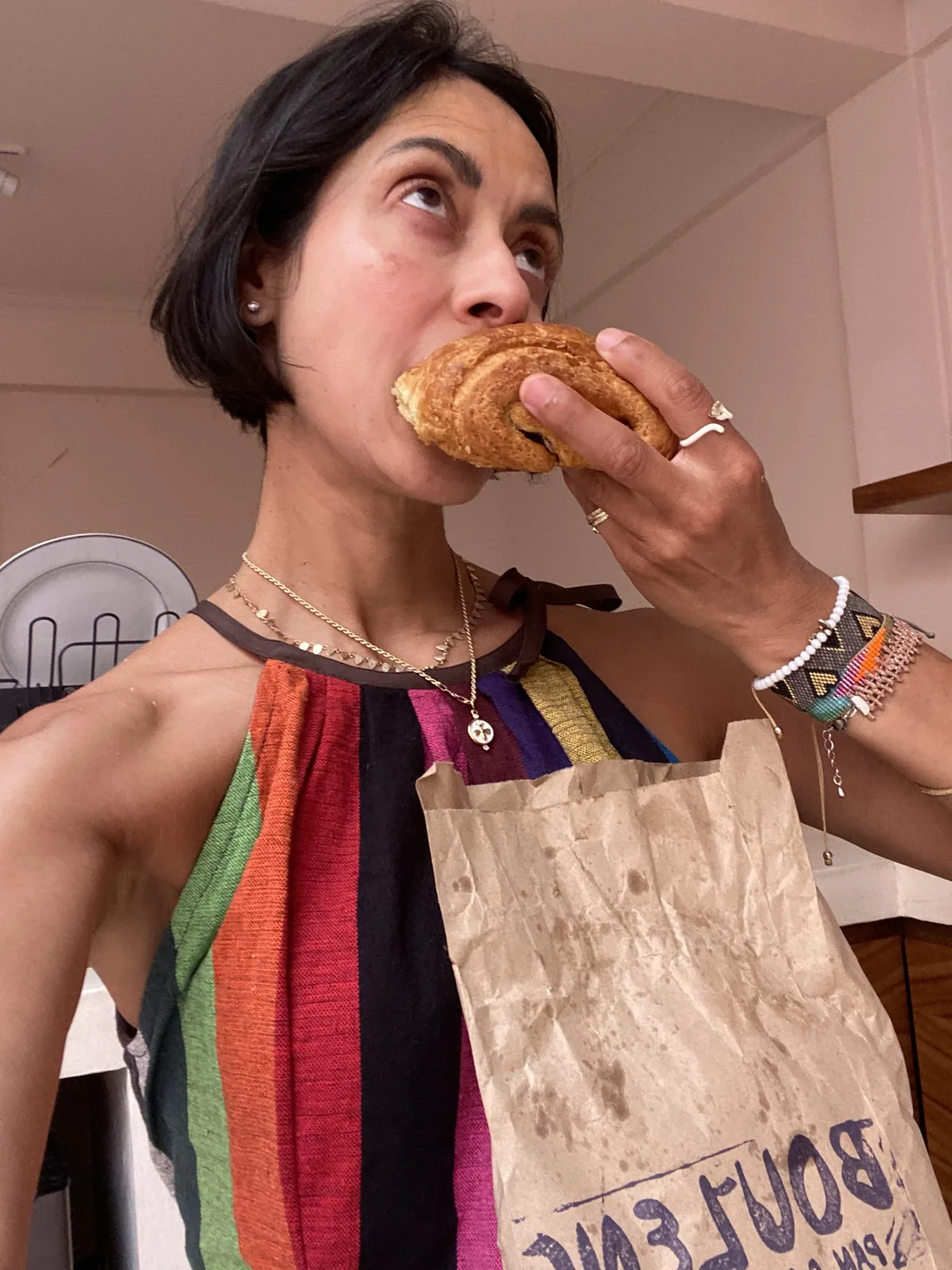
I did, however, make it to Boulenc.
Thank goodness.
Oaxaca may be famous for mole, tlayudas and mezcal, but one of my very happy food memories from the trip involves standing outside with a pastry from Boulenc in a brown paper bag.
It was so good.
Not every memorable meal needs a reservation.
And Then There Was Selva
Oaxaca takes its drinks seriously too.
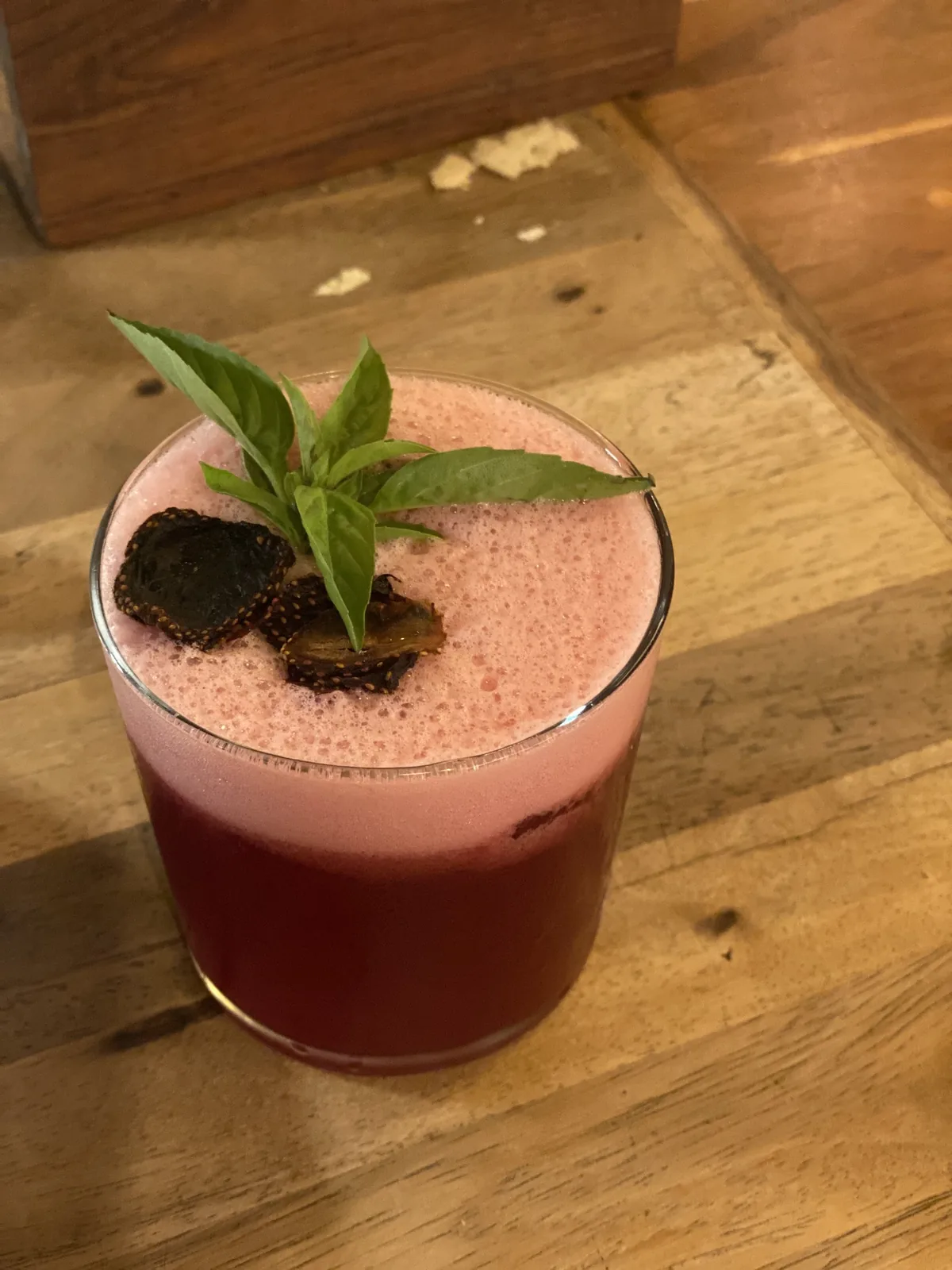
One evening brought me to Selva, where cocktails became another way of experiencing the city.
I love a beautiful hotel bar as much as anyone, but there’s something about going out into a city at night, ordering a cocktail and simply enjoying where you are.
Oaxaca is very good at that.
You Have to Leave the Table Eventually
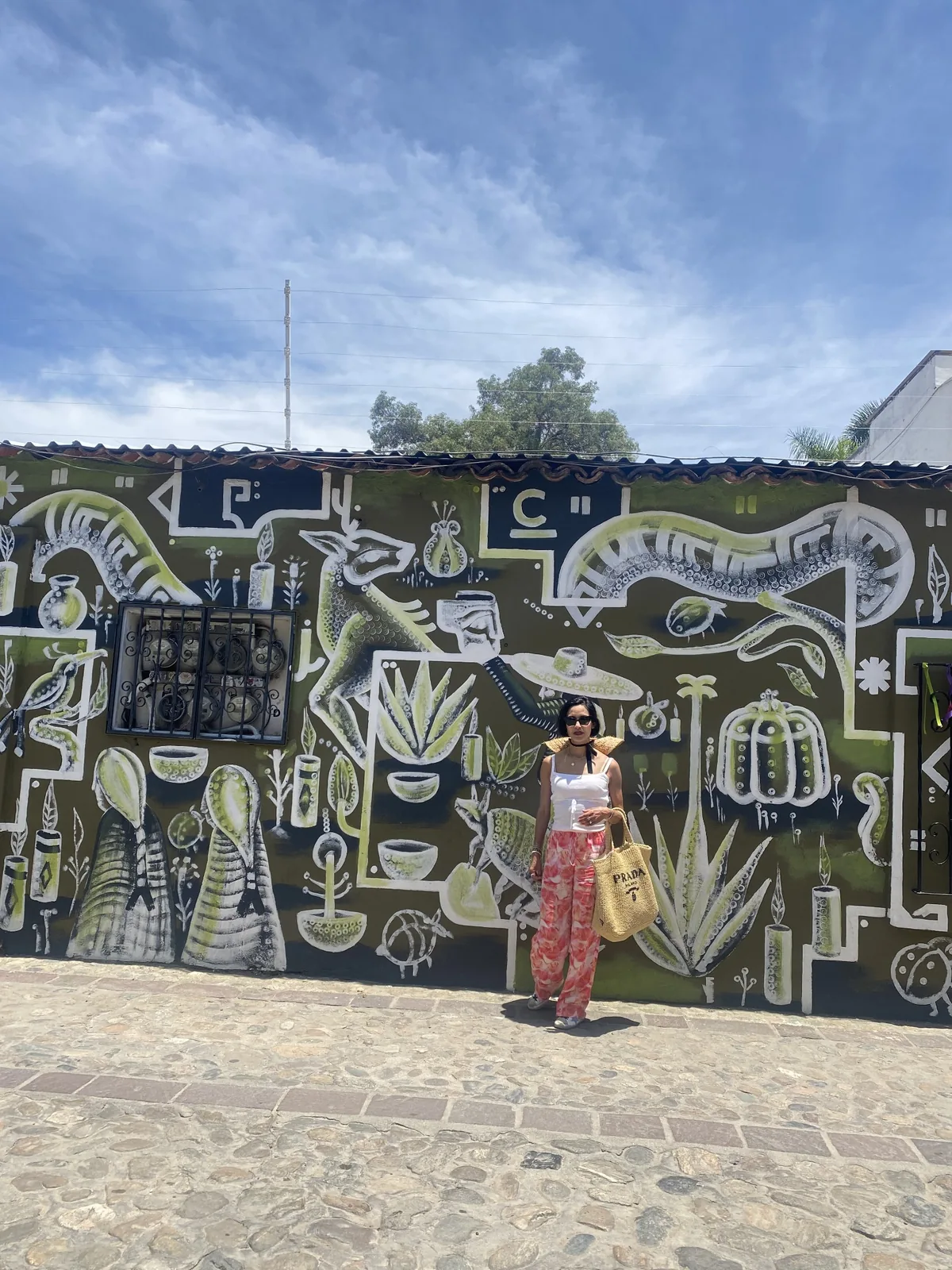
As much as this was a culinary trip, some of my favorite experiences had nothing to do with restaurants.
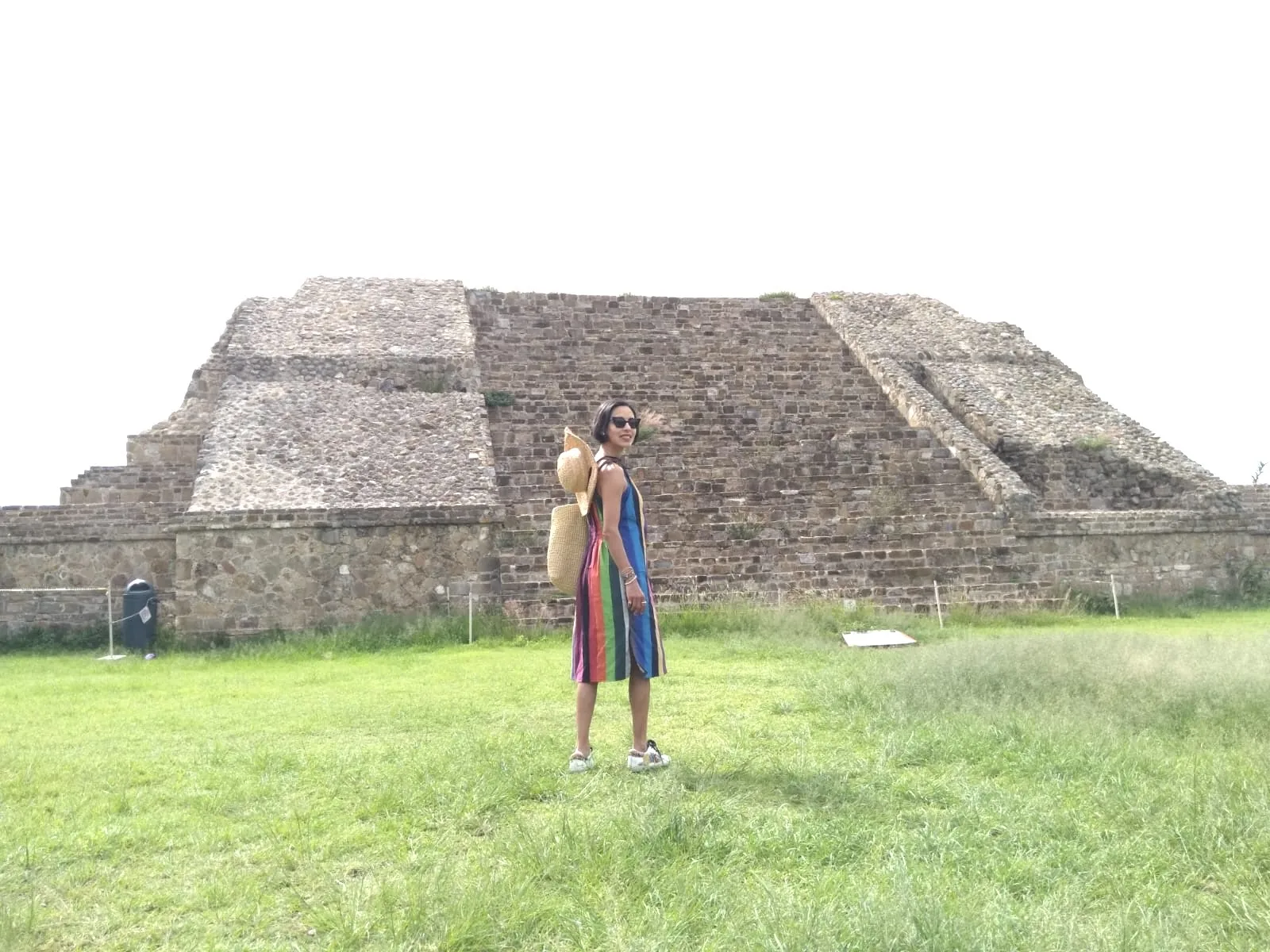
Monte Albán absolutely deserves time.
The archaeological site rises above the Oaxaca Valley and was one of the most important centers of Zapotec civilization. Its scale is difficult to appreciate until you’re actually standing there.
Walking through the enormous plazas and ceremonial spaces puts the city you’ve been eating your way through into an entirely different historical context.
It’s one of those places where photographs simply don’t convey the setting.
Santo Domingo
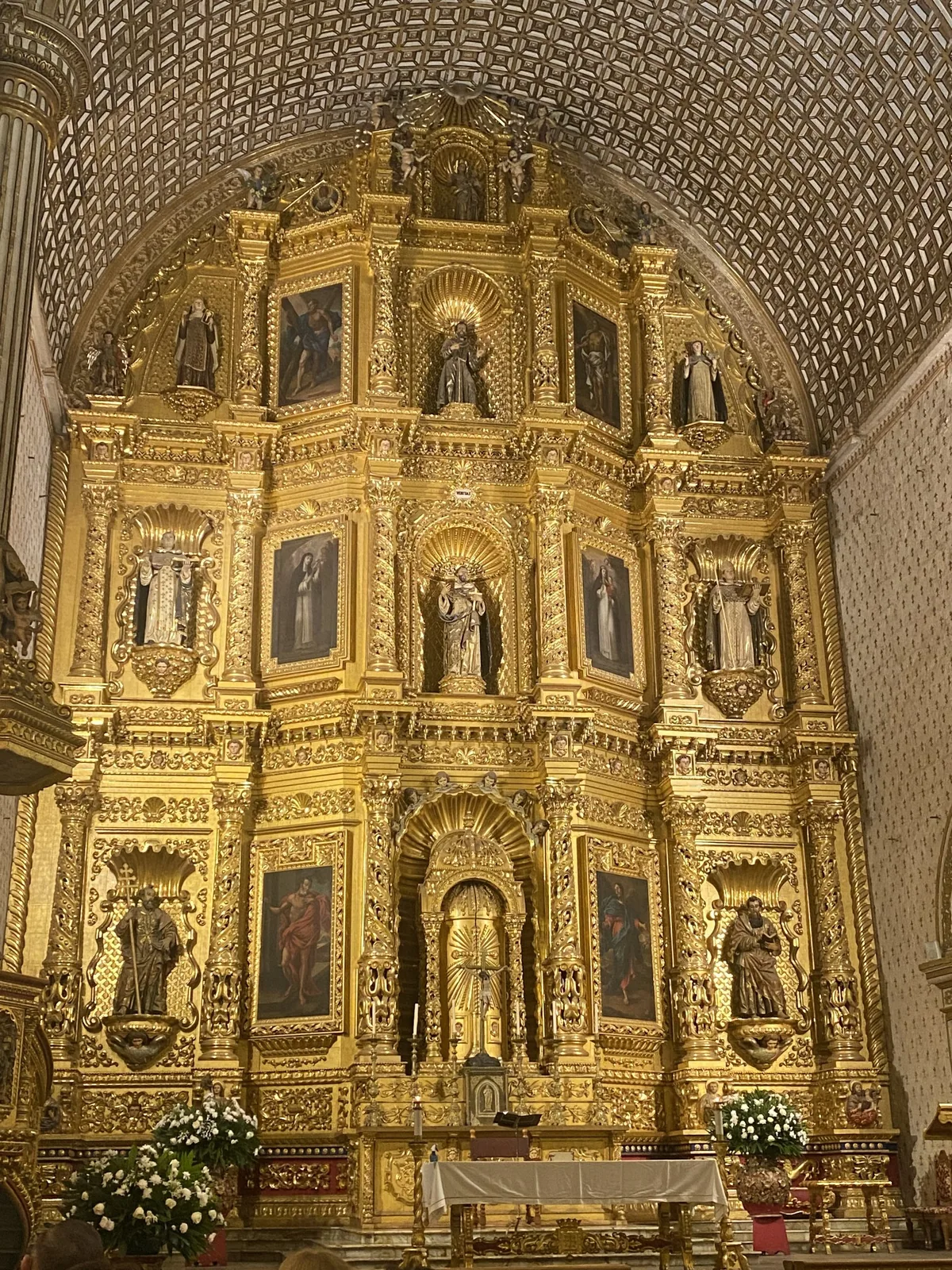
Back in Oaxaca City, the Church of Santo Domingo de Guzmán was another highlight.
The exterior is beautiful, but the interior is extraordinary — elaborate decoration covering seemingly every surface.
The former convent complex next door also includes the Museum of the Cultures of Oaxaca and the ethnobotanical garden.
I ran out of time and didn’t make it into the gardens.
Which is irritating.
But also an excellent excuse to return.
Beyond the Famous Alebrijes
Another day took me outside the city to see the woodcarving traditions Oaxaca is famous for.
I visited the Taller Jacobo y María Ángeles in San Martín Tilcajete, where artisans carve figures from copal wood and decorate them by hand. Seeing the work and process behind the finished pieces gave me a completely different appreciation for them.
But I’m also glad I didn’t stop there.
We visited smaller, lesser-known talleres as well, each with its own style and beautiful pieces.
That became one of my favorite things about Oaxaca: the famous places were absolutely worth seeing, but wandering beyond them made the trip much more personal.

Oaxaca Rewards Curiosity
That may be the best way I can describe this trip.
Oaxaca rewards curiosity.
Order the herb you don’t recognize. Try the smoky dish even when you aren’t entirely sure what went into it. Make the restaurant reservation, but also eat the tlayuda. Stop at the bakery. Go to the market — and please manage your time better than I did so you actually get to eat there.
Take the recommendation from someone who knows the food.
Go to Monte Albán. Walk into Santo Domingo. Visit the celebrated workshop — and then visit the smaller one down the road.
And leave enough time to wander.
I came to Oaxaca thinking primarily about the food. I left thinking about how closely food is tied to everything else here: history, agriculture, family, Indigenous traditions, art and community.
And I’m still thinking about the tlayudas.
Where I Stayed in Oaxaca
I chose a small, design-forward hotel in Oaxaca’s historic center, within walking distance of many of the places I wanted to explore.
For this particular trip, location mattered. Being able to walk out the door and experience Oaxaca through its restaurants, architecture and neighborhoods made the city much easier to enjoy.
I generally don’t publish exactly where I stay because choosing the right hotel is something I prefer to do individually for my clients. Oaxaca has everything from intimate boutique properties to beautiful luxury hotels, and the right choice depends on how you want to experience the city.
Private Journey Atelier
If you’re considering a culinary trip to Oaxaca, I can help you put together the hotels and experiences that make sense for your travel style — including the places you might not find from a simple search.
Design your trip