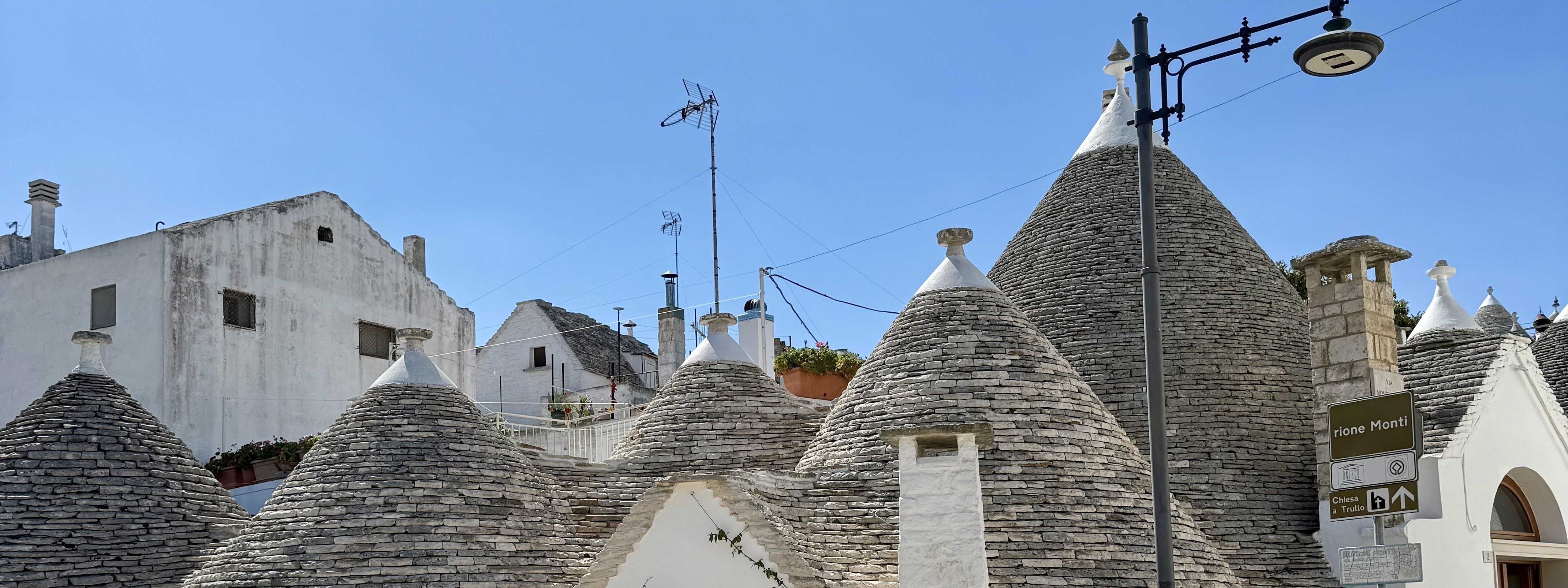
Two Weeks in Spain: Madrid, Granada, Córdoba, Segovia & Barcelona
Art, architecture, family adventures, a few travel lessons, and why Spain is wonderful even in February.
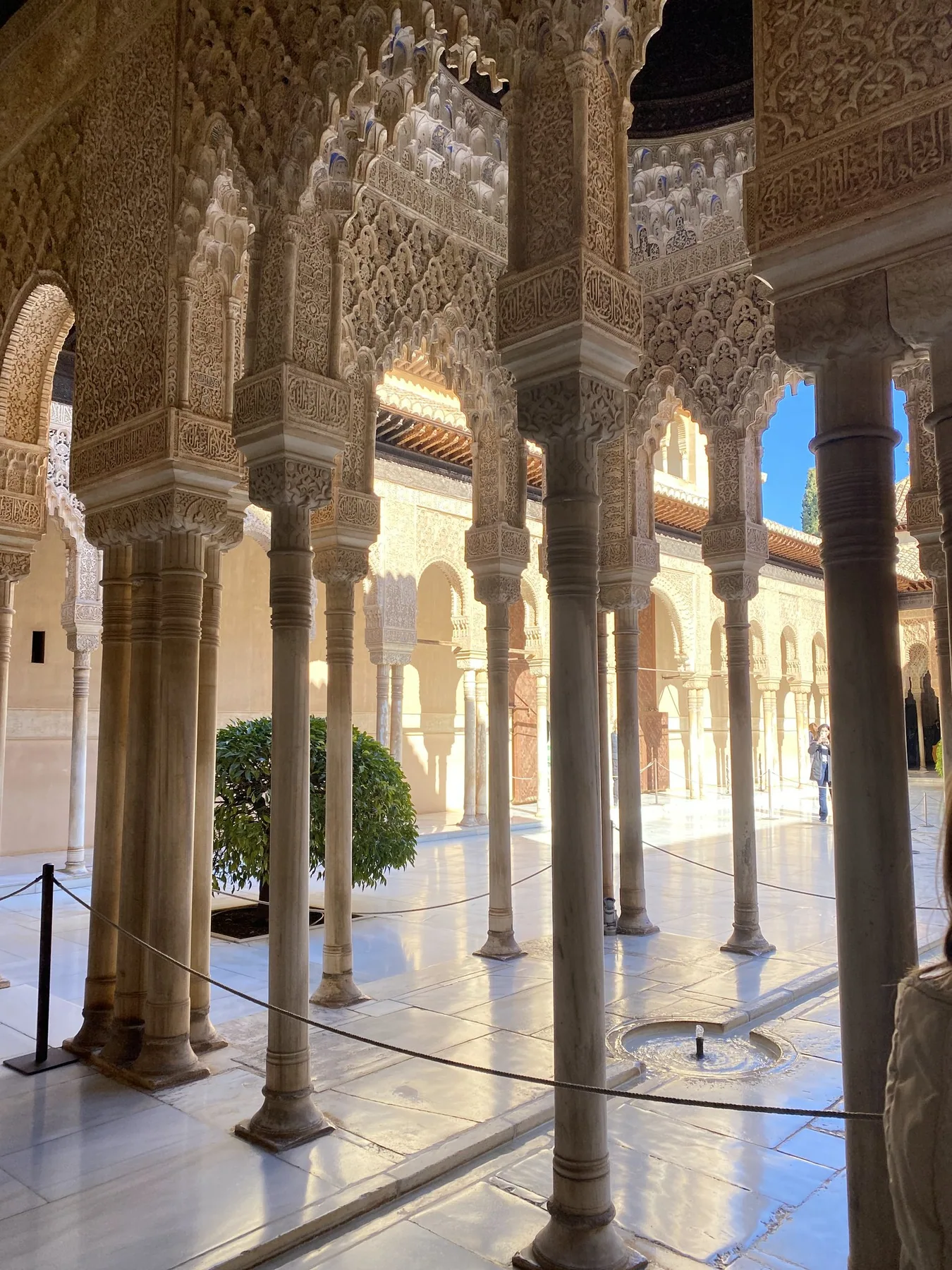
Spain is one of those countries I can visit again and again and still discover something new. In February 2025, I spent approximately two weeks exploring Spain with my mom, aunts, and cousins. Our itinerary took us from Madrid to Barcelona by train, with excursions to some of Spain's most extraordinary historic cities along the way.
Traveling with family across different generations made this trip particularly memorable. We had different interests, different energy levels, and, apparently, very different definitions of cold weather!
My relatives visiting from Mexico thought Spain in February was freezing. I found it chilly but perfectly manageable. Let's just say we were not all equally enthusiastic about the winter temperatures.
What I loved most about this trip was the combination of magnificent architecture, world-class museums, wonderful food, and the freedom to explore at our own pace. And as a travel advisor, I came home with a few lessons worth sharing.
Our Spain Route at a Glance
This was a flexible, approximately two-week route rather than a tightly assigned day-by-day schedule. We used trains for the major city connections, then rented a car for a two-day excursion from Madrid to El Escorial, Segovia, and Toledo. The overnight stops were Madrid, Granada, Córdoba, and Barcelona; El Escorial, Segovia, and Toledo were visited as excursions from Madrid.
| Stop | How it fit into the trip | Highlights |
|---|---|---|
| Madrid | Overnight base | Museums, historic neighborhoods, markets, and El Rastro |
| Granada | Overnight stop | Train journey from Madrid and a visit to the Alhambra |
| Córdoba | One-night stop | Mezquita-Catedral, Jewish Quarter, and Alcázar de los Reyes Cristianos |
| Madrid | Return to our overnight base | Rejoined my family before the next shared adventure |
| El Escorial, Segovia, and Toledo | Two-day rental-car excursion from Madrid; not separate overnight destinations | Historic sites, Segovia's aqueduct and cochinillo, and a Toledo visit that deserved more time |
| Barcelona | Approximately four-night stay | Architecture, museums, neighborhoods, and rooftop views |
Madrid: Art, Markets, and a Wonderful Starting Point
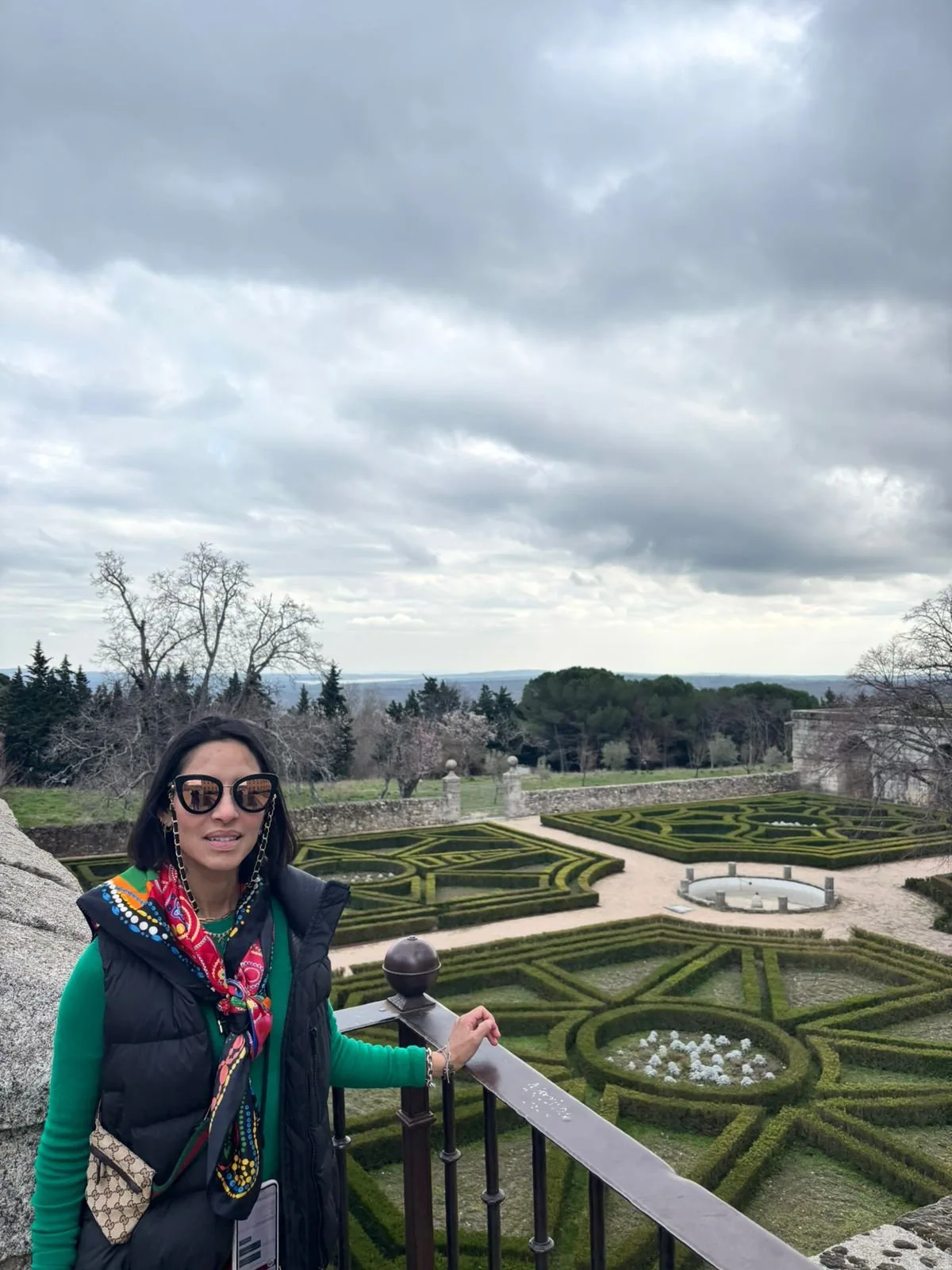
We began our trip in Madrid, staying at The Palace, a historic hotel. I had visited Madrid before, so I deliberately planned less sightseeing time here than I would recommend to a first-time visitor. Instead, Madrid became our comfortable base for exploring the surrounding region and for my own little adventure farther south.
While I traveled on my own for two days, my mom, aunts, and cousins stayed in Madrid, enjoying its famous museums, parks, markets, and major attractions at a more leisurely pace. The city's celebrated museum trio—the Prado, Reina Sofía, and Thyssen-Bornemisza—offers an extraordinary journey through Spanish and international art.
Madrid is also known for Mercado de San Miguel, a lively place to experience Spanish food culture, and El Rastro, its famous Sunday flea market. I particularly enjoy browsing markets and vintage shops. Finding interesting pieces, especially leather goods, is one of my favorite things to do when traveling. Not every souvenir needs to come from a gift shop!
Madrid's markets are a wonderful introduction to Spanish food culture. If you would like to explore beyond Mercado de San Miguel, Explore my Madrid food experiences for curated ideas.
My travel advisor tip: If this is your first visit to Madrid, I recommend allowing at least three to four days. Between its museums, historic neighborhoods, restaurants, and day-trip possibilities, the city deserves more than a quick stop.
A Little Solo Adventure: Madrid to Granada
One of my favorite decisions during this trip was taking a short solo excursion while my mom and aunts stayed in Madrid and enjoyed a more relaxed pace. This is something I always encourage when planning multigenerational trips: everyone does not have to participate in every activity. Sometimes the best itinerary is one that allows people to enjoy a destination differently.
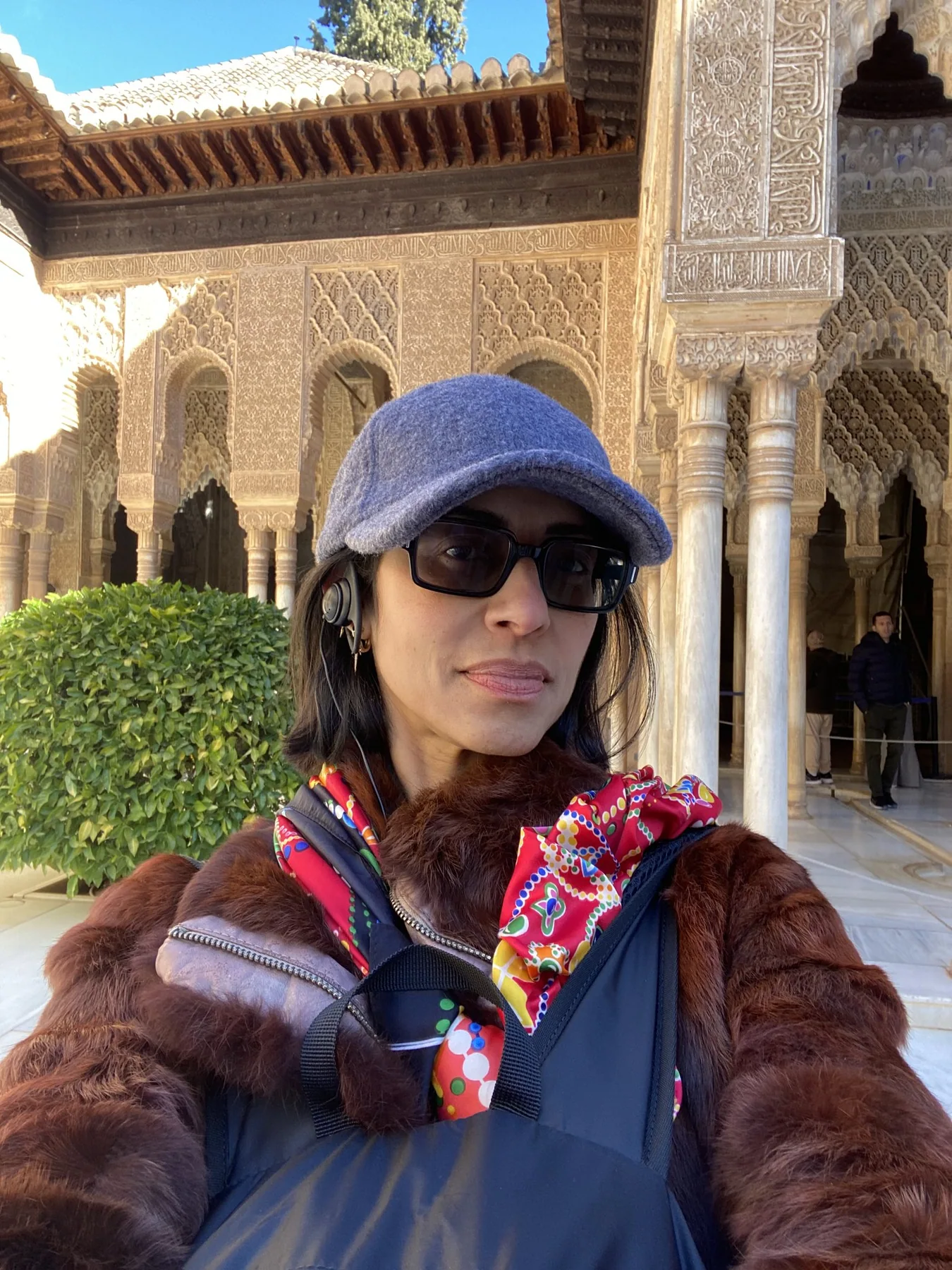
I traveled by train from Madrid to Granada, where I finally visited somewhere that had been on my bucket list for years: the Alhambra.
The Alhambra: Worth Every Bit of Planning
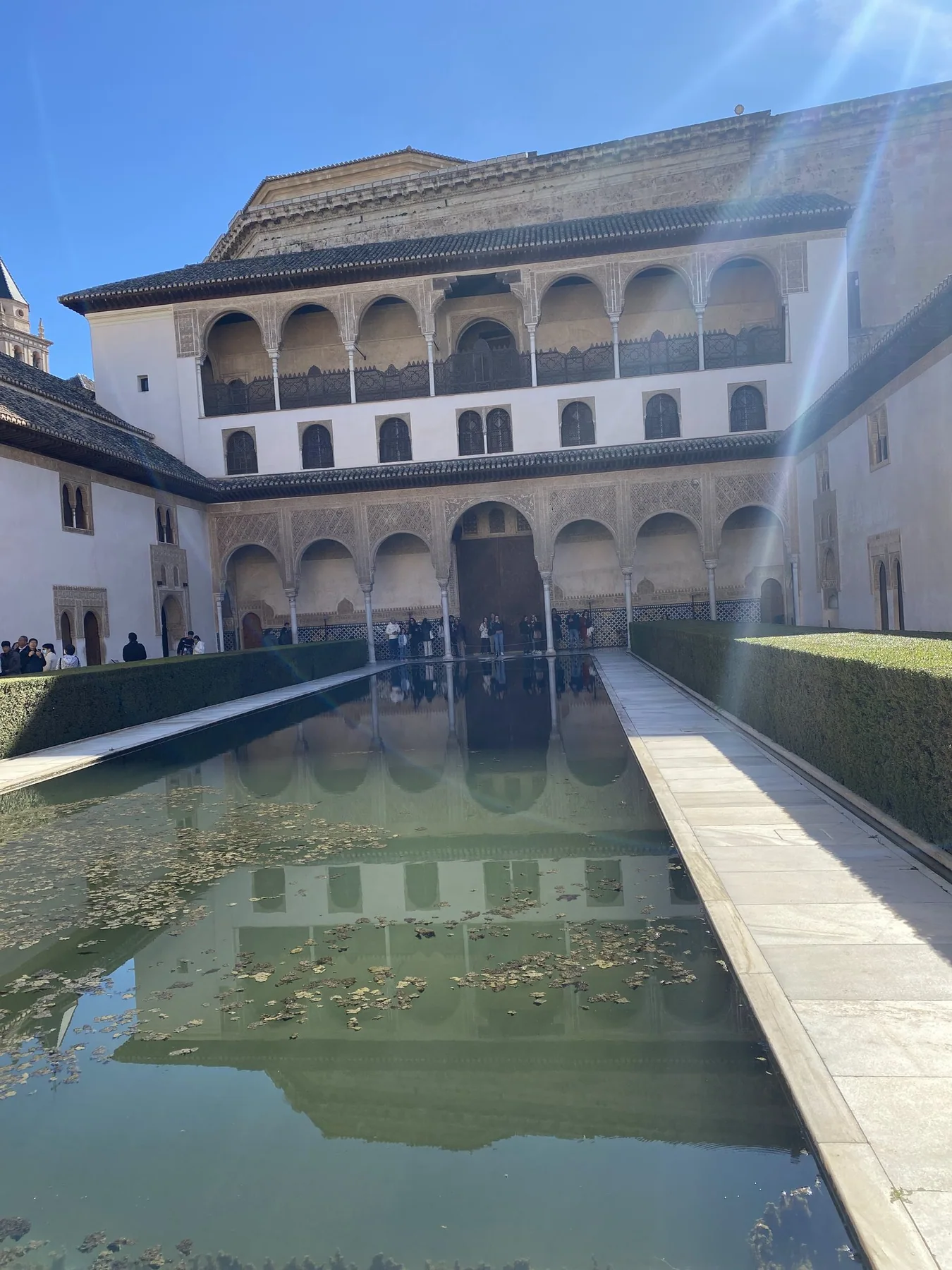
There are places you visit because they're famous, and then there are places that genuinely exceed your expectations. For me, the Alhambra was one of those places.
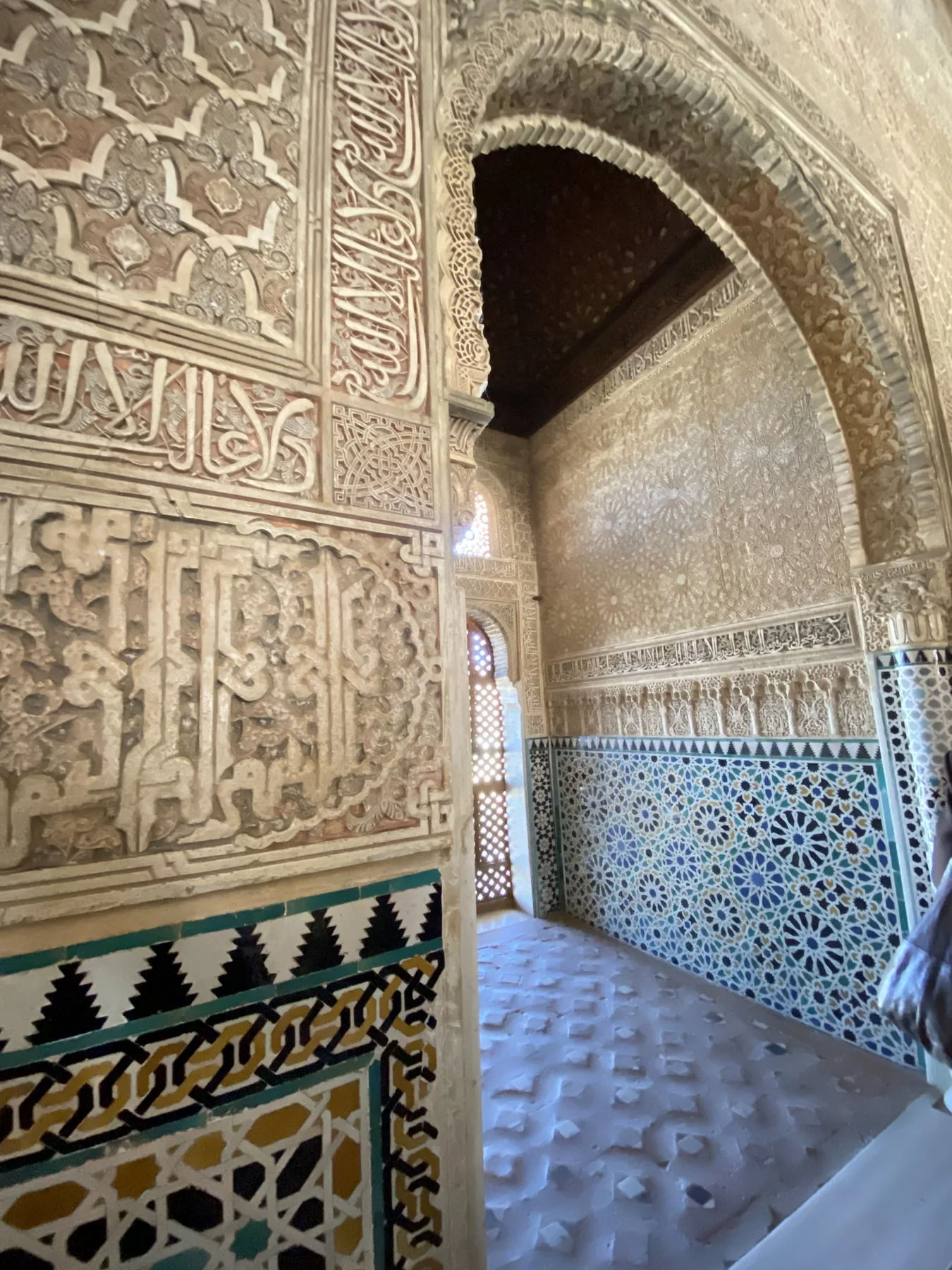
The intricate architectural details, the beautiful courtyards, the arches, the gardens, and the views over Granada were absolutely extraordinary. I could have spent hours simply admiring the craftsmanship. And judging by the number of photographs I took, I probably tried to capture every single detail!
A guided experience can also add helpful context to Granada's history and architecture, especially when you're visiting the Alhambra for the first time. Explore my curated Granada experiences if you would like to compare thoughtfully selected options.
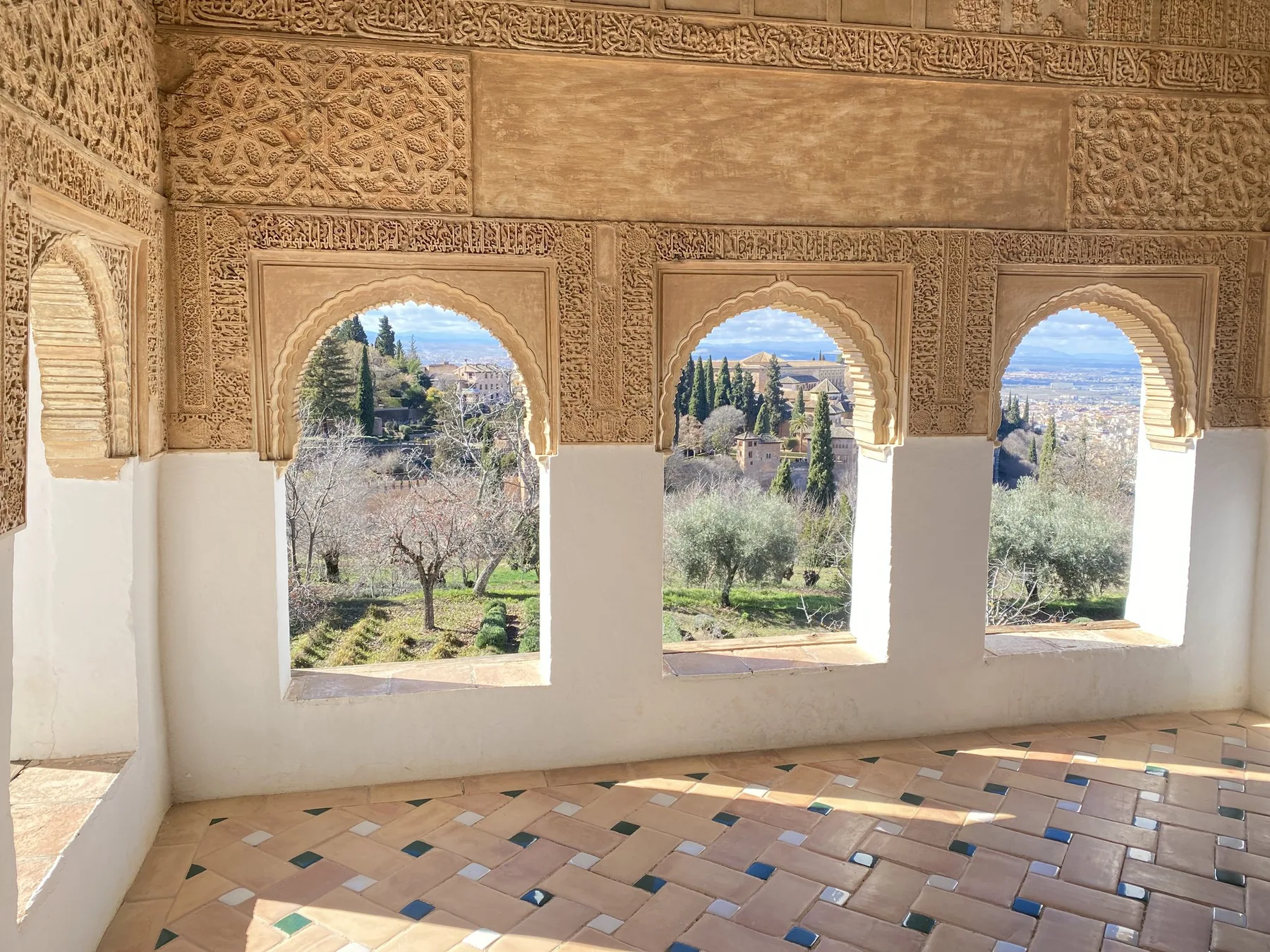
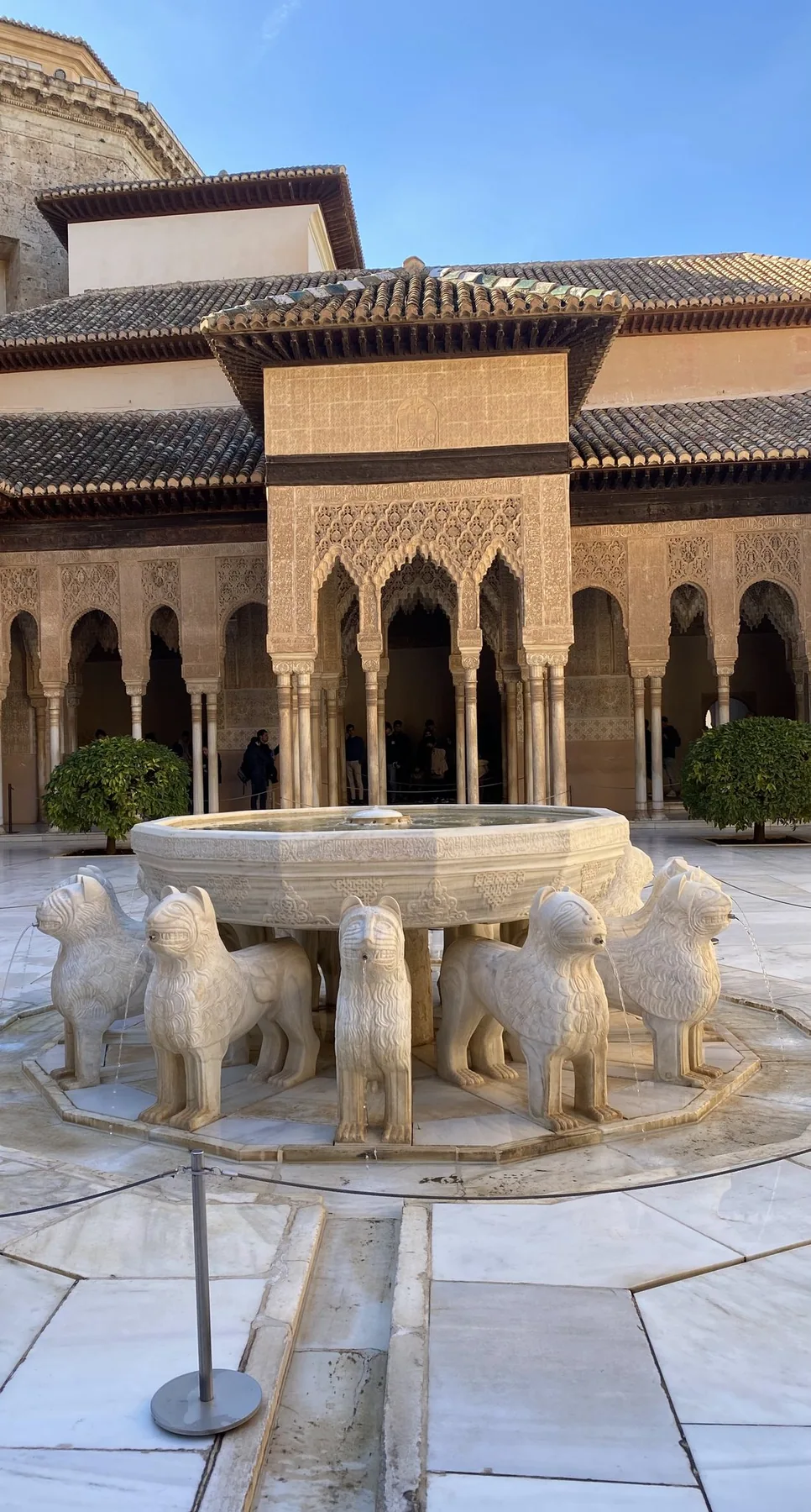
But the Alhambra is not somewhere I recommend visiting without planning ahead.
Important Alhambra tip: Reserve your tickets well in advance, especially if you want to visit the Nasrid Palaces, which have a specific timed entry. Tickets are personalized, and you should bring the original passport or identification document used for your reservation. Identification may be checked during your visit.
It's one of those small logistical details that can make a big difference. If Granada is new to you, I would also recommend spending more time here than I did. The city deserves time beyond the Alhambra itself.
Córdoba: One Night, So Much Beauty
From Granada, I continued by train to Córdoba, arriving at approximately 8 p.m. Because I knew I would arrive late, I deliberately chose a hotel very close to the train station. That made getting to my accommodation easy and allowed me to start exploring the following morning without complicated logistics.
I love walking when I travel. Whenever distances and circumstances make sense, I'll choose walking over a taxi or public transportation. It's one of the best ways to discover the character of a city. And Córdoba is a wonderful place to explore on foot.
The Mezquita-Catedral: An Architectural Masterpiece
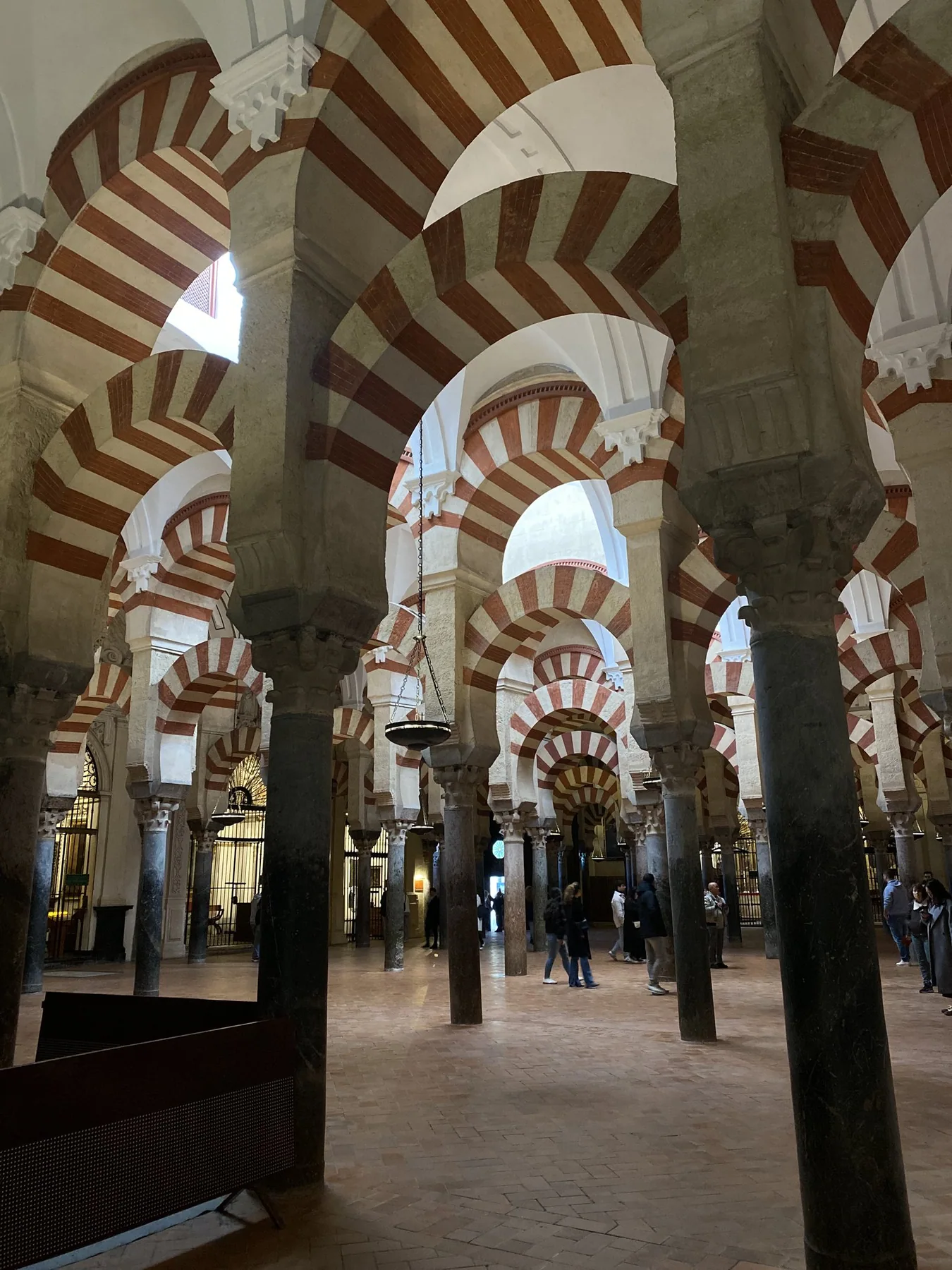
The Mezquita-Catedral de Córdoba was one of the most beautiful places I visited in Spain. Its extraordinary red-and-white arches, seemingly endless columns, and remarkable combination of Islamic and Christian architectural history make it unforgettable. It's difficult to appreciate the scale and beauty of this building until you're standing inside.
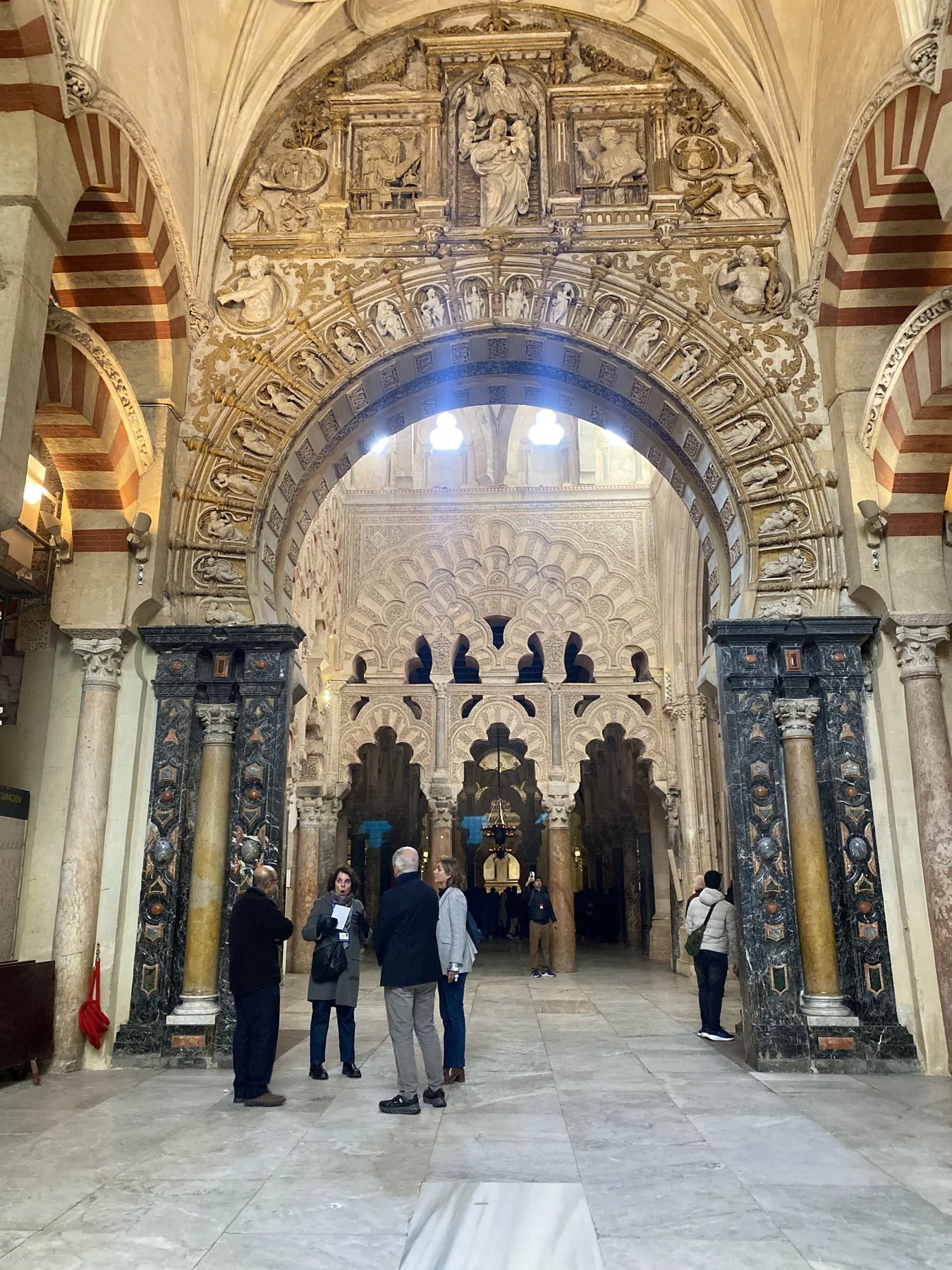
I also wandered through the Judería, Córdoba's historic Jewish Quarter, with its narrow streets and traditional Andalusian architecture.
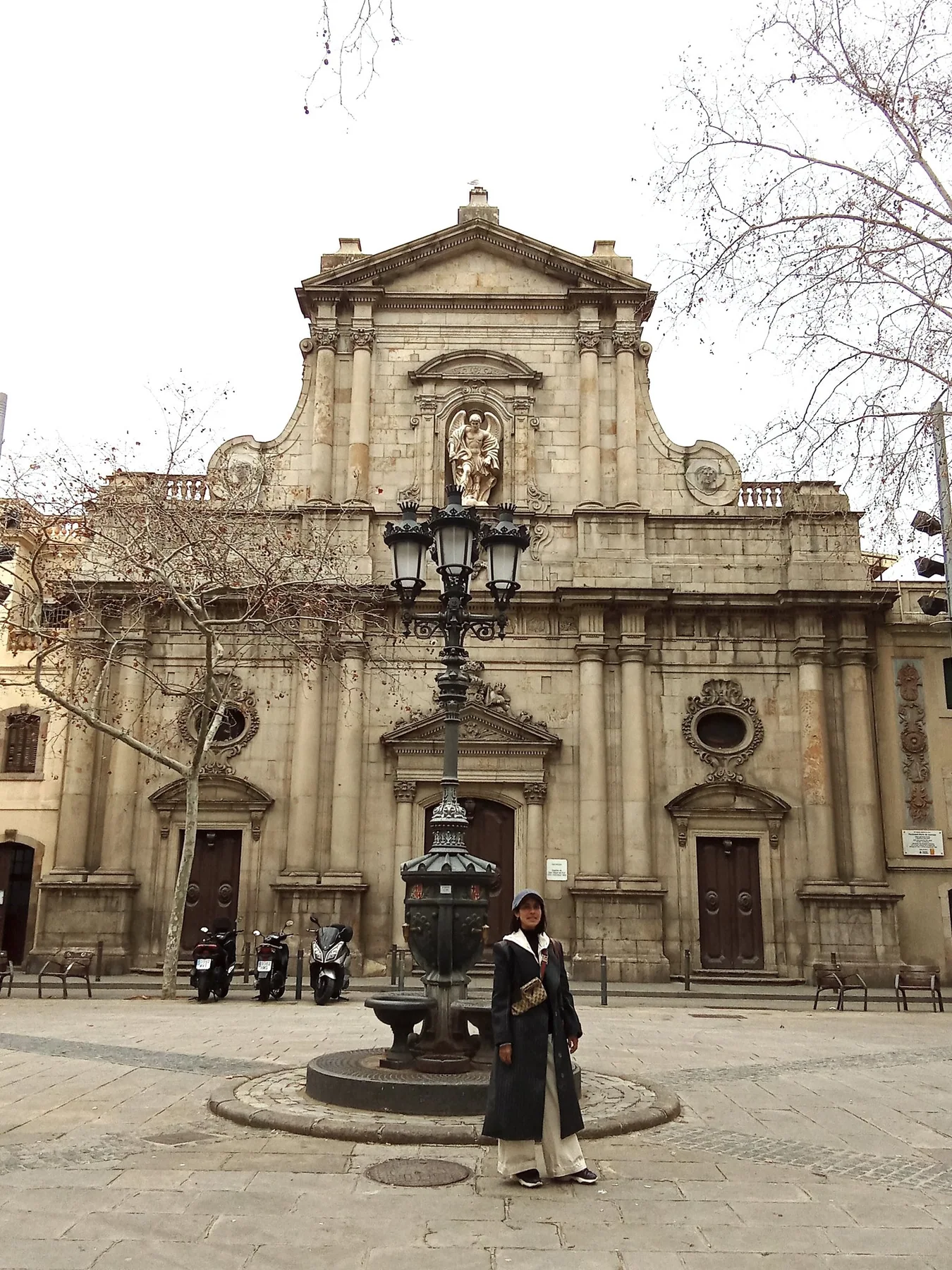
The Alcázar de los Reyes Cristianos
Another highlight was the Alcázar de los Reyes Cristianos, a historic fortress and palace with beautiful gardens, fountains, and courtyards. The gardens were particularly lovely.
I also noticed something that immediately caught my travel-advisor attention: an extremely long line of visitors who had not purchased tickets in advance.
Córdoba's historic sights—the Mezquita-Catedral, Jewish Quarter, and Alcázar—are even better with a little context. I saw a very long ticket line at the Alcázar, so a guided experience can be worth considering. Explore my Córdoba historical experiences, and check what's included and how admission works before booking.
My travel advisor tip: Check the Alcázar's current admission arrangements and purchase tickets ahead of time when advance booking is available. When you only have a day to explore, waiting in a long ticket-purchase line is not how you want to spend it.
Córdoba proved that a short visit can still be incredibly rewarding with thoughtful planning. Would I recommend staying longer? Absolutely. But if your itinerary only allows one night, choosing the right hotel location and organizing your sightseeing in advance can make all the difference.
After exploring Córdoba, I returned to Madrid by train.
Back Together in Madrid: Exploring El Escorial, Segovia, and Toledo
While I was off exploring Granada and Córdoba, my mom, aunts, and cousins stayed in Madrid, enjoying the city's famous museums, parks, markets, and other major attractions at a more leisurely pace. It worked out beautifully. They had time to discover Madrid without feeling rushed, while I finally got to visit two destinations that had been on my wish list.
After two days of traveling on my own, I returned to Madrid and reunited with my family. We were ready for the next part of our adventure together!
This time, we decided to rent a car for two days to explore some of the wonderful historic destinations outside Madrid, including San Lorenzo de El Escorial, Segovia, and Toledo.
For our larger family group, renting a car made financial and logistical sense. It gave us flexibility to visit several places without having to coordinate multiple train or bus connections. Of course, traveling with a multigenerational group also meant that our definition of an early start wasn't always quite the same. But more on that when we get to Toledo!
Segovia and Its Famous Cochinillo
Segovia is a beautiful historic city, best known for its spectacular Roman aqueduct. Seeing that enormous ancient structure in person is an experience in itself.
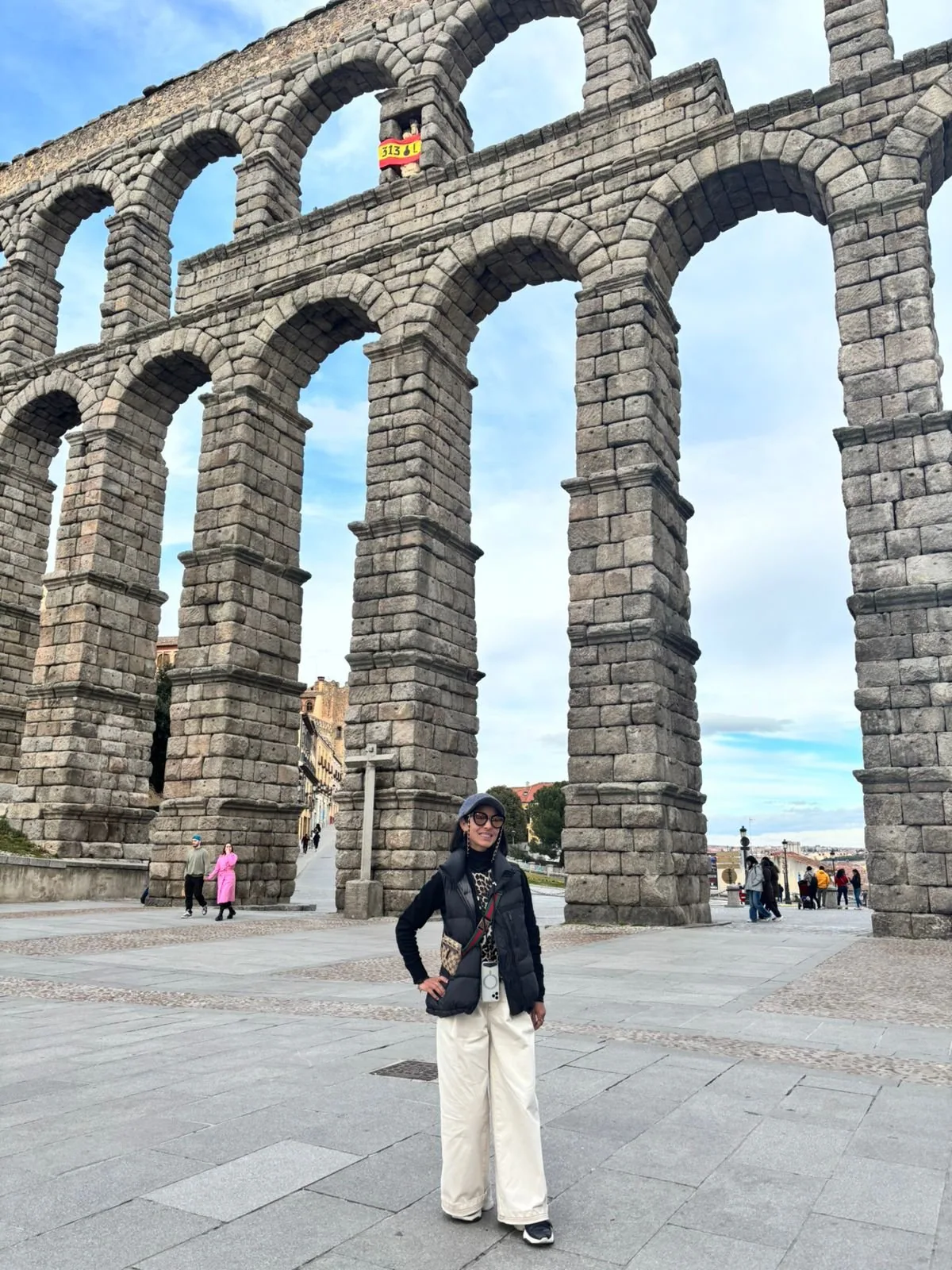
We also enjoyed one of Segovia's culinary specialties: cochinillo asado, or roast suckling pig, at the famous Mesón de Cándido. Food is such an important part of traveling in Spain, and experiencing a regional specialty in the place where it's celebrated makes the meal even more memorable.
Toledo: The One That Got Away!
And then there was Toledo. We had every intention of exploring this beautiful historic city. But when you're traveling with older family members, sometimes getting everyone ready and out the door takes a little longer than anticipated. Actually, a lot longer.
By the time we arrived in Toledo, it was too late to properly visit the sights we had planned. So yes, we made it to Toledo. Did we see everything we wanted? Not even close!
It's funny now, but it was also a good reminder that ambitious itineraries and multigenerational travel don't always mix.
What I'd do differently: I would give Toledo its own full day, rather than trying to squeeze it into an already busy schedule. And if I were planning the same excursions for a couple or smaller group, I'd compare train travel, guided day trips, and a private driver before automatically choosing a rental car.
A Word About Driving in Madrid
Renting a car can be convenient for excursions outside Madrid, but driving and parking in the city itself require extra attention. Madrid has low-emission zones and restricted-access streets, particularly in its central districts. Rental cars are not automatically exempt from every restriction, and parking regulations vary by location.
Before driving into central Madrid, check the current Madrid 360 rules, confirm whether your hotel has authorized parking, and don't assume that your GPS will warn you about every restricted street. A rental car can be a wonderful tool for exploring, but it isn't always the easiest choice inside a major European city.
Madrid to Barcelona by Train
After our time in Madrid and the surrounding region, we continued to Barcelona by train. I love traveling by train in Europe. It's comfortable, convenient, and often allows you to travel between city centers without the extra airport logistics.
We spent approximately four nights in Barcelona, staying at Grand Hotel Central, a lovely property on Via Laietana near the Gothic Quarter. The hotel's location was excellent for exploring the city, and its rooftop infinity pool, overlooking Barcelona's rooftops, was especially memorable. For someone who appreciates a beautiful hotel almost as much as the destination itself, it was a wonderful choice.
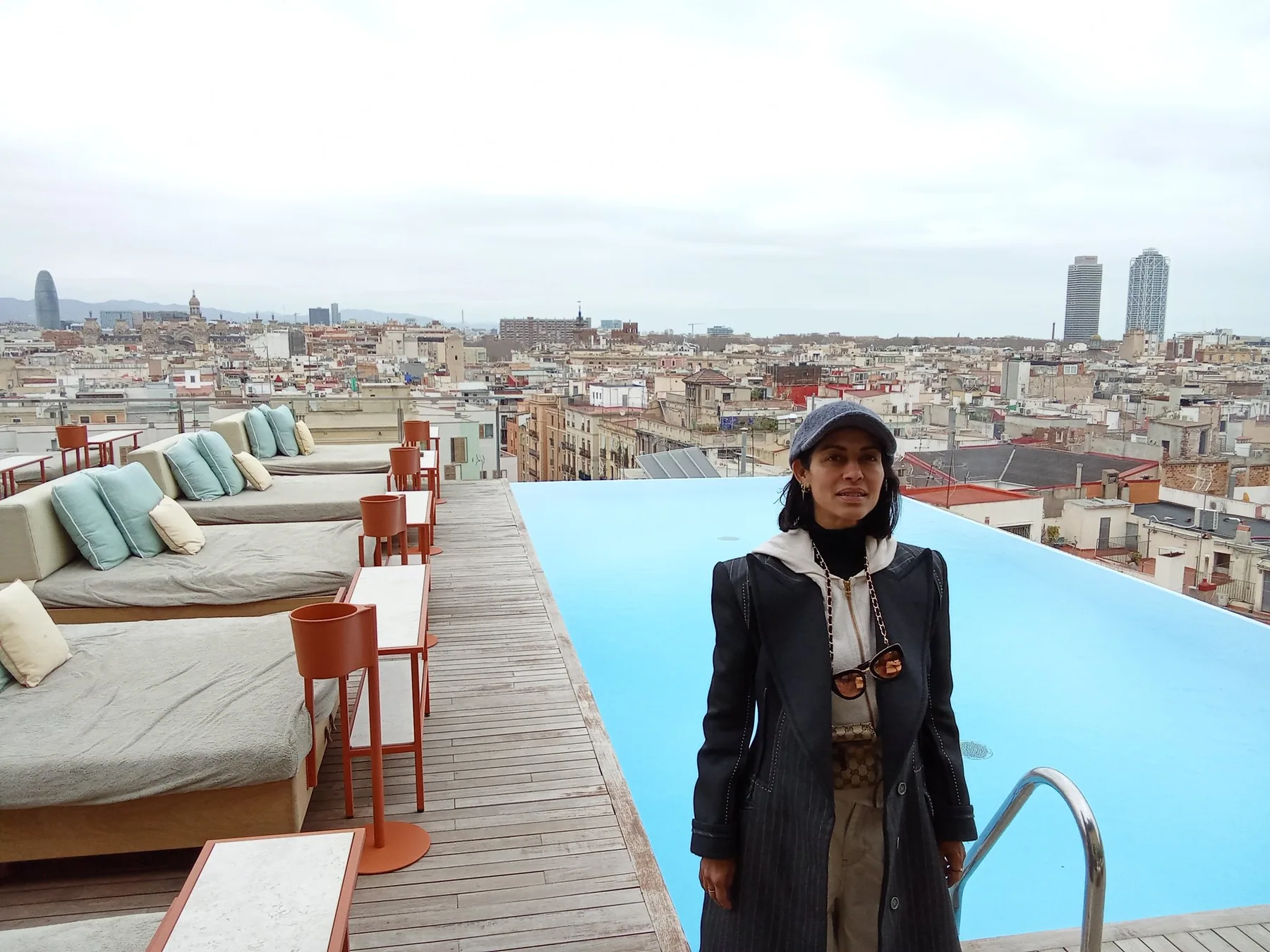
Barcelona: Gaudí, Picasso, and Rooftop Views
Barcelona is a city where architecture becomes part of the sightseeing experience.
Sagrada Família
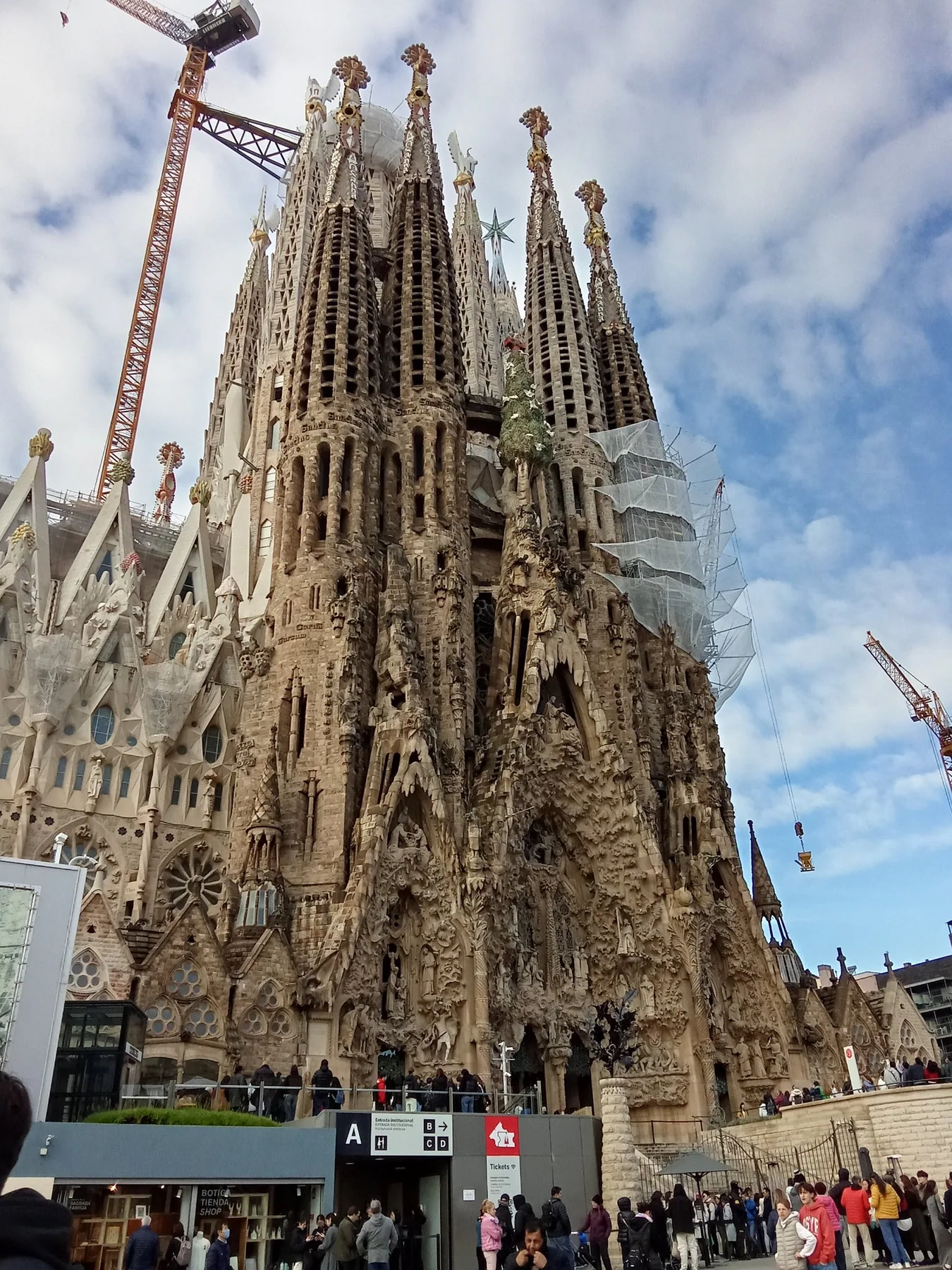
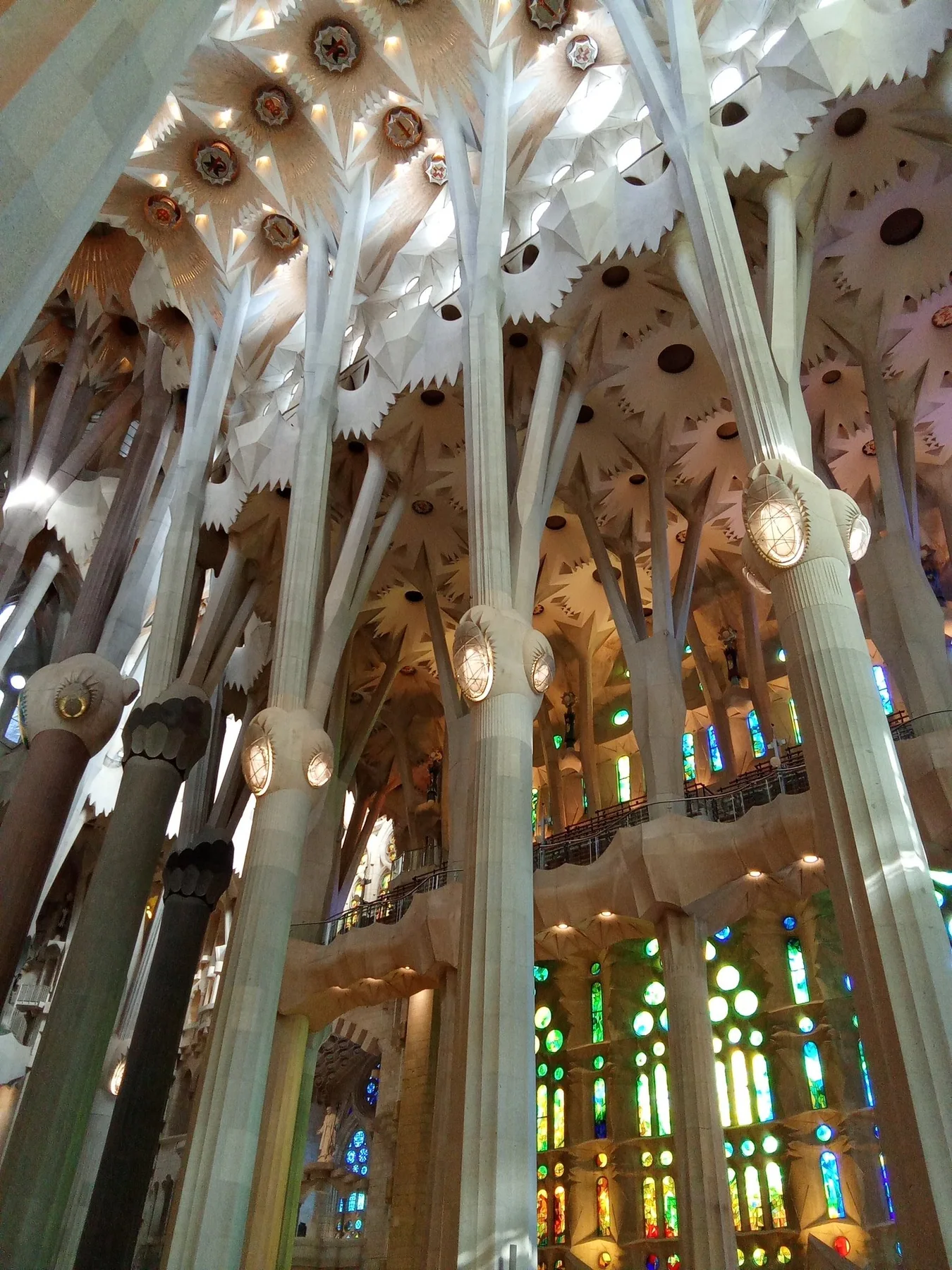
No matter how many photographs you've seen of Antoni Gaudí's Sagrada Família, the building is astonishing in person. Its unusual exterior is famous, but the interior is equally remarkable, particularly the soaring columns, stained glass, and extraordinary sense of space. This is another attraction where I strongly recommend booking tickets ahead of time.
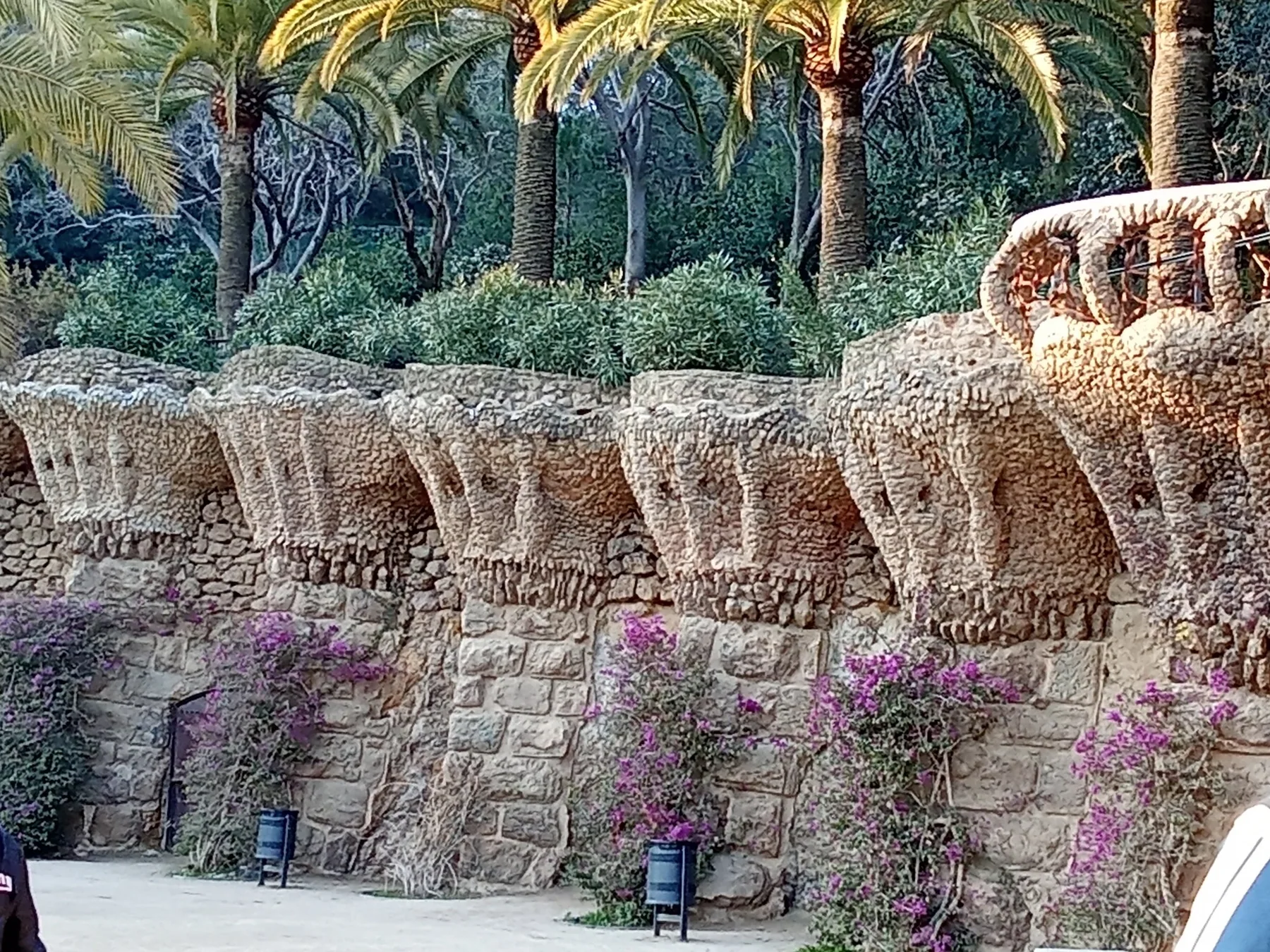
Park Güell
We also visited Park Güell, another of Gaudí's remarkable creations. Its colorful mosaics, playful architectural details, and views over Barcelona make it one of the city's most distinctive places to explore.
Museu Picasso
For art lovers, Museu Picasso is another worthwhile stop, particularly if you're interested in understanding Picasso's early development and his connection to Barcelona. It is one of the museums I would reserve ahead of time, especially during a short stay, rather than assuming tickets will be available when you arrive. As with other popular attractions, check the museum's current ticket availability and entry arrangements before your visit.
An Easy Way to See the City
We used a two-day hop-on, hop-off sightseeing bus pass during our stay. Although I generally love walking, I also appreciate a practical transportation option when a city has attractions spread across different neighborhoods. The bus helped us see more of Barcelona without spending all our time figuring out how to get from one place to another. And with family members of different ages, that convenience was especially welcome.
We personally found the hop-on, hop-off bus convenient for seeing Barcelona across several neighborhoods. If that style of sightseeing appeals to you, Explore my Barcelona sightseeing bus recommendations for curated options.
What I Learned Traveling Through Spain in February
Would I travel to Spain again in February? Absolutely. There are real advantages to visiting outside the busiest travel months, especially if your priorities include museums, architecture, historic cities, and cultural experiences rather than beach weather.
But winter travel does require a little flexibility. Temperatures vary considerably between destinations, and what feels pleasantly cool to one person may feel downright freezing to another. Our family certainly demonstrated that!
Here are the lessons I'd carry into planning another trip:
- Reserve major attractions in advance: The Alhambra, Sagrada Família, Park Güell, and other popular sites require thoughtful ticket planning.
- Choose hotels strategically: My overnight stop near Córdoba's train station made a late arrival much easier.
- Use trains when they make sense: They were a practical way to connect Madrid, Granada, Córdoba, and Barcelona.
- Consider rental cars selectively: A car worked well for our larger group on excursions outside Madrid, but wouldn't necessarily be my first choice for every traveler.
- Don't overpack the itinerary: Our Toledo experience was proof that travel plans need room for real life.
- Give everyone some independence: My solo excursion allowed me to explore at my own pace while other family members enjoyed a slower few days in Madrid.
- Allow time simply to wander: Some of my favorite travel moments happen when I'm walking through historic neighborhoods without rushing to the next attraction.
Would I Recommend This Spain Itinerary?
Yes—with a few adjustments depending on who's traveling. For a first-time visitor, I would spend more time in Madrid and consider additional nights in Granada and Córdoba.
For travelers who enjoy art and architecture, this route offers an extraordinary variety of experiences, from the Alhambra's intricate Islamic architecture to Córdoba's Mezquita-Catedral and Gaudí's imaginative masterpieces in Barcelona.
For families traveling across generations, I would build in more flexible days and opportunities for everyone to explore at their preferred pace. And for anyone who enjoys beautiful hotels, wonderful food, historic cities, and train journeys, Spain has so much to offer.
The most important lesson from this trip wasn't about seeing every attraction. It was about creating an itinerary that made room for the things we loved, the people we were traveling with, and a few unexpected adventures along the way. Even the ones that didn't quite go according to plan. After all, those are often the stories we remember best.
Planning your own journey through Spain? Lucy Trails Atelier can help with custom travel planning, carefully selected accommodations, and private experiences shaped around the way you travel. Through Fora Travel, eligible hotel benefits may also be available at select properties, depending on the booking and hotel program. I'd love to help you create a thoughtful Spain itinerary for your own travelers.
Spain Itinerary FAQ
Is two weeks enough to visit Spain?
Two weeks is enough for a meaningful first itinerary that combines Madrid, Andalusia, and Barcelona, especially when you use rail for the major connections. It is not enough to see everything, so choose a route and leave room for the pace of your travelers.
Is it better to travel around Spain by train or rental car?
For this route, trains were generally the most convenient choice between major cities because they connect central stations without airport logistics. A rental car made more sense for our larger family group on the two-day excursion outside Madrid, but driving in city centers can add parking and access restrictions.
Is February a good time to visit Spain?
February can be a very good time for museums, architecture, and historic cities, with fewer peak-season crowds in many places. Temperatures can be chilly, particularly in Madrid and inland Spain, so pack layers and plan with weather flexibility.
Should Granada and Córdoba be overnight stops?
Yes, if your schedule allows. Granada deserves more than a visit centered only on the Alhambra, and Córdoba rewarded our one-night stop even though a longer stay would have been better. Overnight stays also make early sightseeing and late train arrivals easier to manage.
How far ahead should you reserve the Alhambra?
Reserve as early as your dates allow, especially if you want the Nasrid Palaces, which use timed entry. Tickets are personal, and the official visitor guidance says to bring the original passport or ID used for the reservation. Check the official ticket site for current availability and requirements before traveling.