Japan in December: My Tokyo, Hakone & Kyoto Winter Itinerary
Winter illuminations, Mount Fuji, temple mornings, immersive art, incredible food—and a few lessons I brought home as a travel advisor.
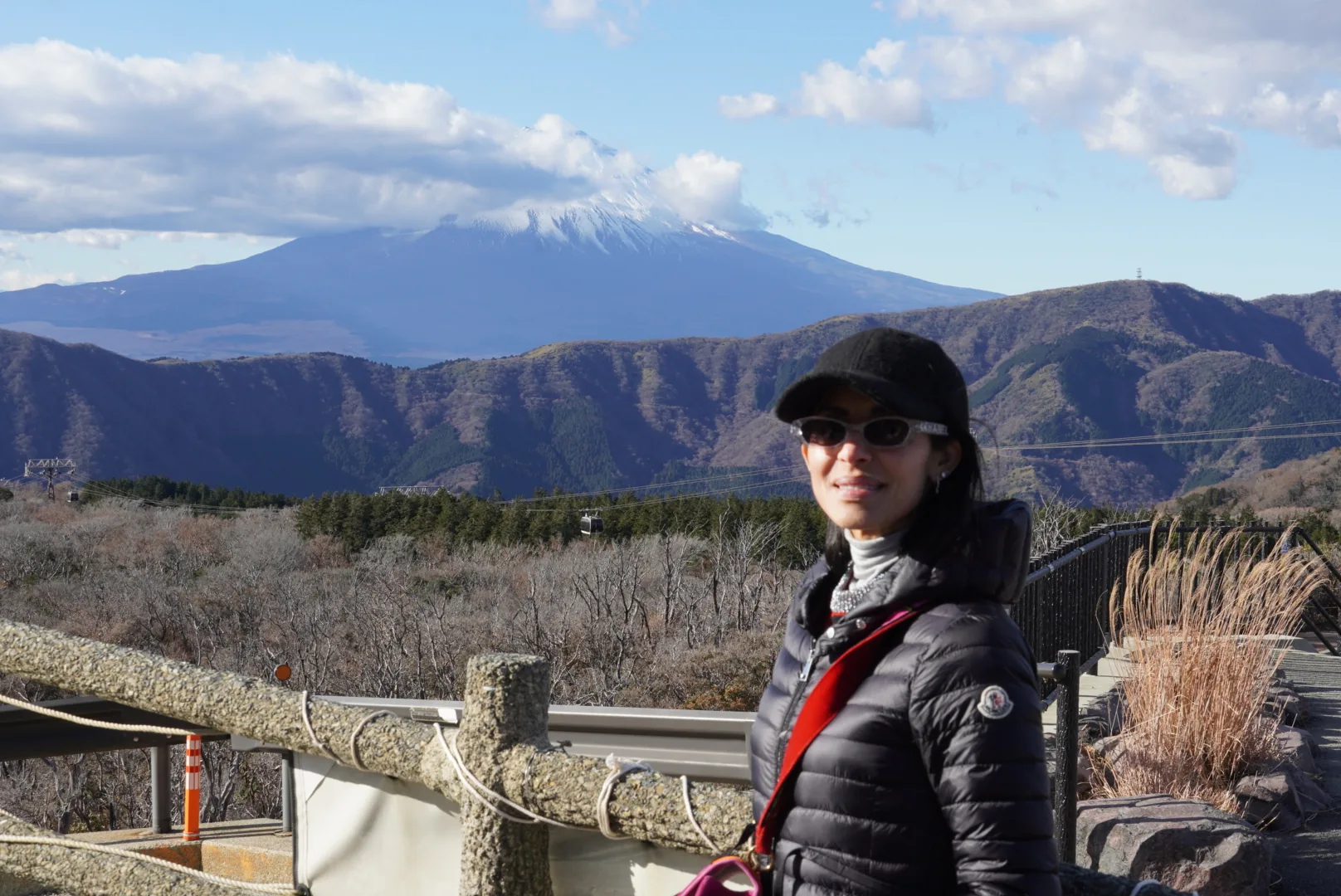
December in Japan is pure magic. Crisp winter air, gorgeous seasonal illuminations, and fewer crowds than the famous cherry blossom season made it a wonderful time to experience the country.
On our December trip, my husband, son, and I explored Tokyo, Hakone, and Kyoto, balancing neon-lit city energy, immersive art, mountain scenery, incredible food, and the tranquility of ancient temples. It was also an ambitious itinerary—something I appreciated even more after experiencing it firsthand.
Here’s what we did, what we loved, and what I would keep in mind if I were planning the journey again.
Where We Stayed in Tokyo—and Why Location Matters
For the first part of our trip, we stayed in Shinjuku, which gave us a convenient base for exploring Tokyo and put us right in the middle of one of the city's most energetic neighborhoods.
When we returned to Tokyo for our final night before flying home, we stayed in Ginza instead. I loved experiencing two very different sides of Tokyo: Shinjuku's bright lights and nonstop energy at the beginning of the trip, then polished, elegant Ginza for our final evening.
One thing I would consider carefully when planning a Tokyo trip is which airport you fly into. Tokyo has two major international airports, Narita and Haneda, and they are not equally convenient to the city.
Haneda is significantly closer to central Tokyo, so when schedules, fares, and routing make sense, it's the airport I would prefer. Narita works perfectly well—we used it—but the transfer into or out of central Tokyo takes more time and needs to be factored into the itinerary.
Tokyo Day 1: Shibuya, Harajuku, Roppongi & Shinjuku
We kicked off our Tokyo adventure in West Tokyo, starting the morning at Meiji Shrine. Its serene forest paths were the perfect peaceful introduction before diving into the completely different energy of Harajuku’s Takeshita Street.
After grabbing crepes, we walked over to Shibuya Crossing, visited the iconic Hachiko statue, and experienced that legendary intersection for ourselves.
Later, we headed to Roppongi Hills, where the views from Tokyo City View at golden hour were breathtaking. We also wandered through the Mori Art Museum before dinner and an evening under the sparkling winter illuminations along Keyakizaka Street.
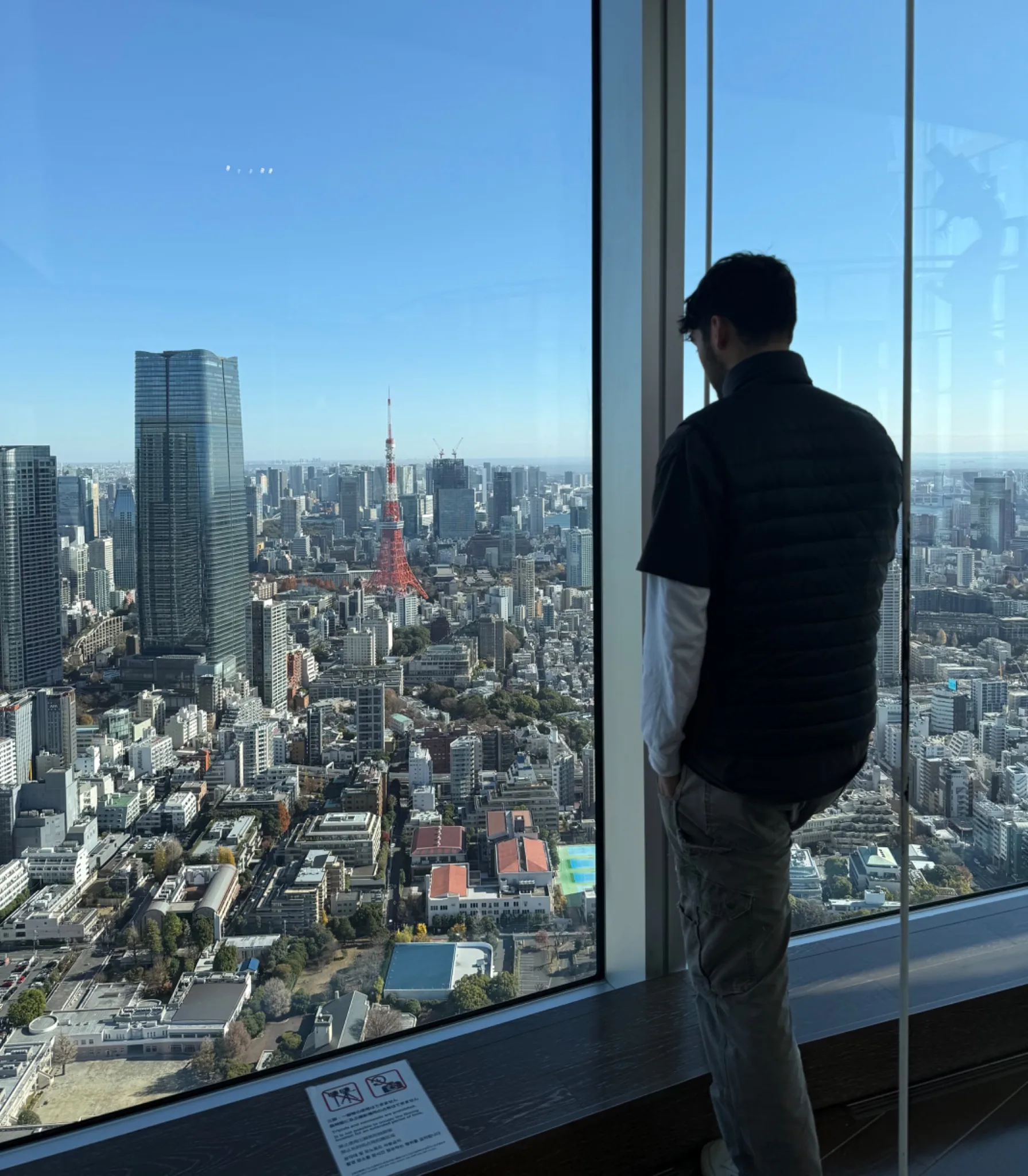
We capped off our first very full Tokyo day exploring the glowing streets and alleys of Shinjuku.
Tokyo Day 2: Traditions, Skyline Views & Ginza
Our second day was all about classic central Tokyo.
We started around Tokyo Station and Marunouchi, admiring the historic red-brick station architecture before heading northeast to Asakusa. Walking up Nakamise Street toward Senso-ji Temple felt like stepping into another Tokyo entirely. And eating hot manju—steamed buns—in the crisp winter air was hard to beat.
Next came Tokyo Skytree and another completely different perspective over the city.
We had originally considered walking through the Imperial Palace East Gardens, but by then we decided to save our feet. That became a recurring lesson on this trip: Japan makes it very easy to underestimate just how much walking you can accumulate in a day!
Instead, we headed to Ginza and Hibiya, wandered through the beautiful multi-story department stores, and finished with dinner tucked beneath the train tracks in Yurakucho.
Tokyo Day 3: teamLab Planets & a Memorable Lunch
We deliberately gave ourselves a more relaxed day for our third day in Tokyo.
We started late in the morning at teamLab Planets in Toyosu. Walking barefoot through illuminated water with digital koi swimming around our legs is something I will never forget. It was immersive, playful, and completely surreal.
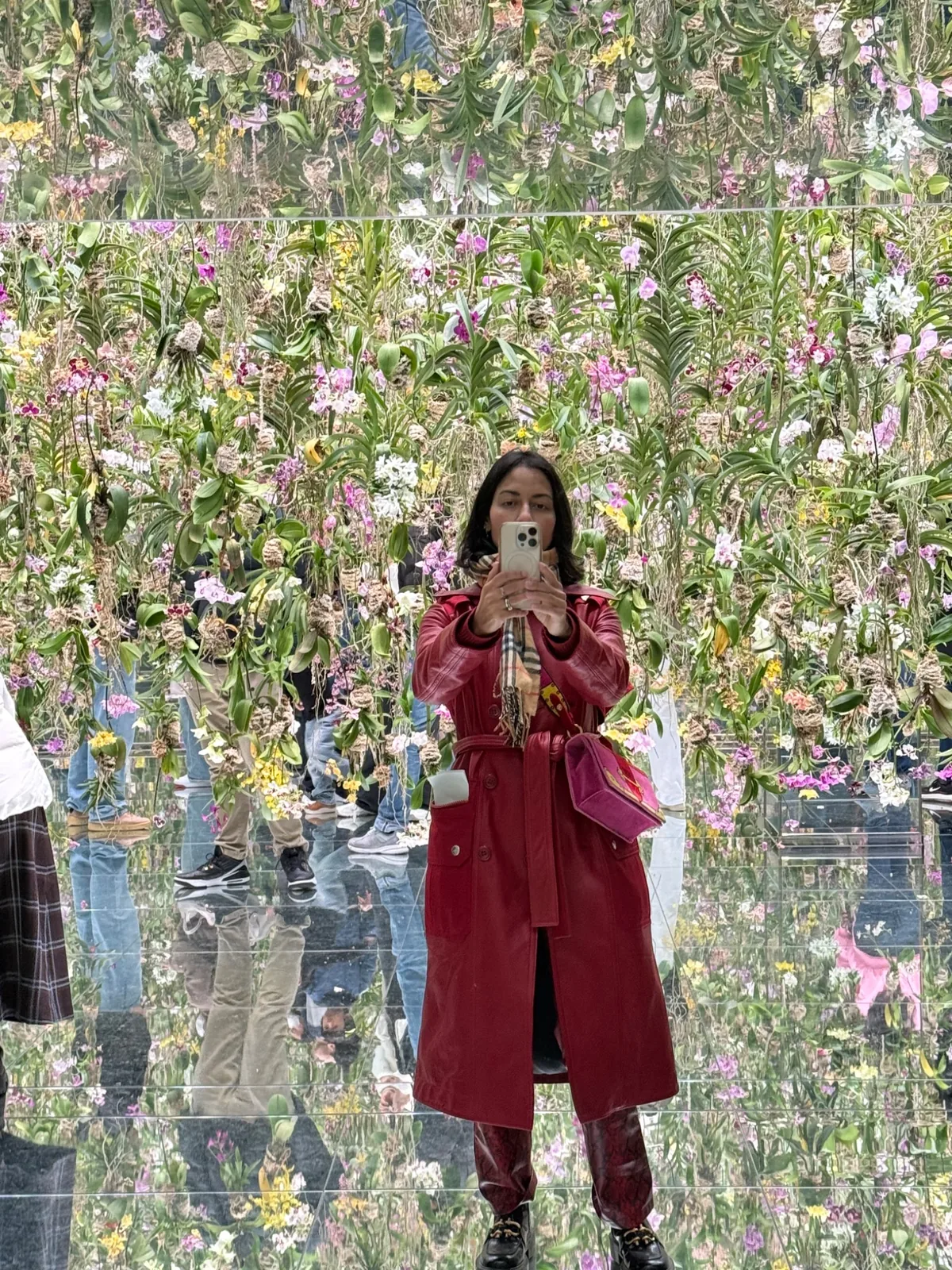
From there, we made our way to Roppongi for a wonderful lunch at Ryuzu. The French cuisine, interpreted with Japanese ingredients and sensibility, made this one of the memorable meals of our trip.
Afterward, we slowed things down again, spending time around Toyosu and eventually taking the Yurikamome toward the Odaiba bayfront, where we caught the sunset and views of Rainbow Bridge.
After two very busy Tokyo days, having room in the itinerary simply to wander felt wonderful.
Tokyo Day 4: Favorite Neighborhoods at Our Own Pace
For our final full day in Tokyo, we kept things flexible.
Instead of racing through another checklist, we returned to parts of West Tokyo we wanted to experience more slowly: specialty coffee in Shibuya, indie boutiques around Cat Street, neighborhood wandering, and panoramic city views from Shibuya Sky.
It turned out to be exactly what we needed.
One of my biggest takeaways from this trip was that an open afternoon or an intentionally lighter day isn't wasted itinerary space. In a city as enormous as Tokyo, it can be what allows you to actually enjoy where you are.
Day 5: Into the Mountains of Hakone
Before continuing to Kyoto, we headed into the mountains of Hakone.
Watching Tokyo's dense urban landscape gradually give way to forested slopes and crisp mountain scenery was part of the experience itself.
And then came one of those travel moments you simply can't schedule perfectly: Mount Fuji was completely clear.
We settled in for lunch overlooking Lake Ashi with a spectacular view of snow-capped Mount Fuji in the distance. It was one of my favorite moments of the entire trip.
We spent the rest of our time enjoying Hakone's mountain scenery, glimpses of its volcanic landscape, and the winter lakefront before making our way to Odawara Station for the Shinkansen to Kyoto.
The Journey: Riding the Shinkansen to Kyoto
Taking the Shinkansen was wonderfully easy.
We picked up ekiben—Japanese train-station bento boxes—and warm green tea, settled into our seats, and watched the countryside glide past as we headed west.
One tip I would absolutely repeat: when traveling toward Kyoto, Seat E on the right side of the train can give you another chance to see Mount Fuji if the weather cooperates.
Between the scenery, the food, and the sheer efficiency of the experience, the train journey felt like part of the trip rather than simply transportation between destinations.
Kyoto Day 1: The Ryokan Experience
Our stay at a traditional ryokan became one of the highlights of the entire trip—especially for my son.
A ryokan is much more than simply a place to sleep. Staying in one gives you a glimpse into a more traditional side of Japanese hospitality and, for us, it felt almost as though we had stepped back in time.
The experience has its own rhythm. We slowed down, left our shoes behind, settled into the traditional surroundings, and experienced the communal baths. Dinner was a beautifully presented, traditional multi-course meal, followed the next morning by a Japanese breakfast prepared and served with the same attention to detail.
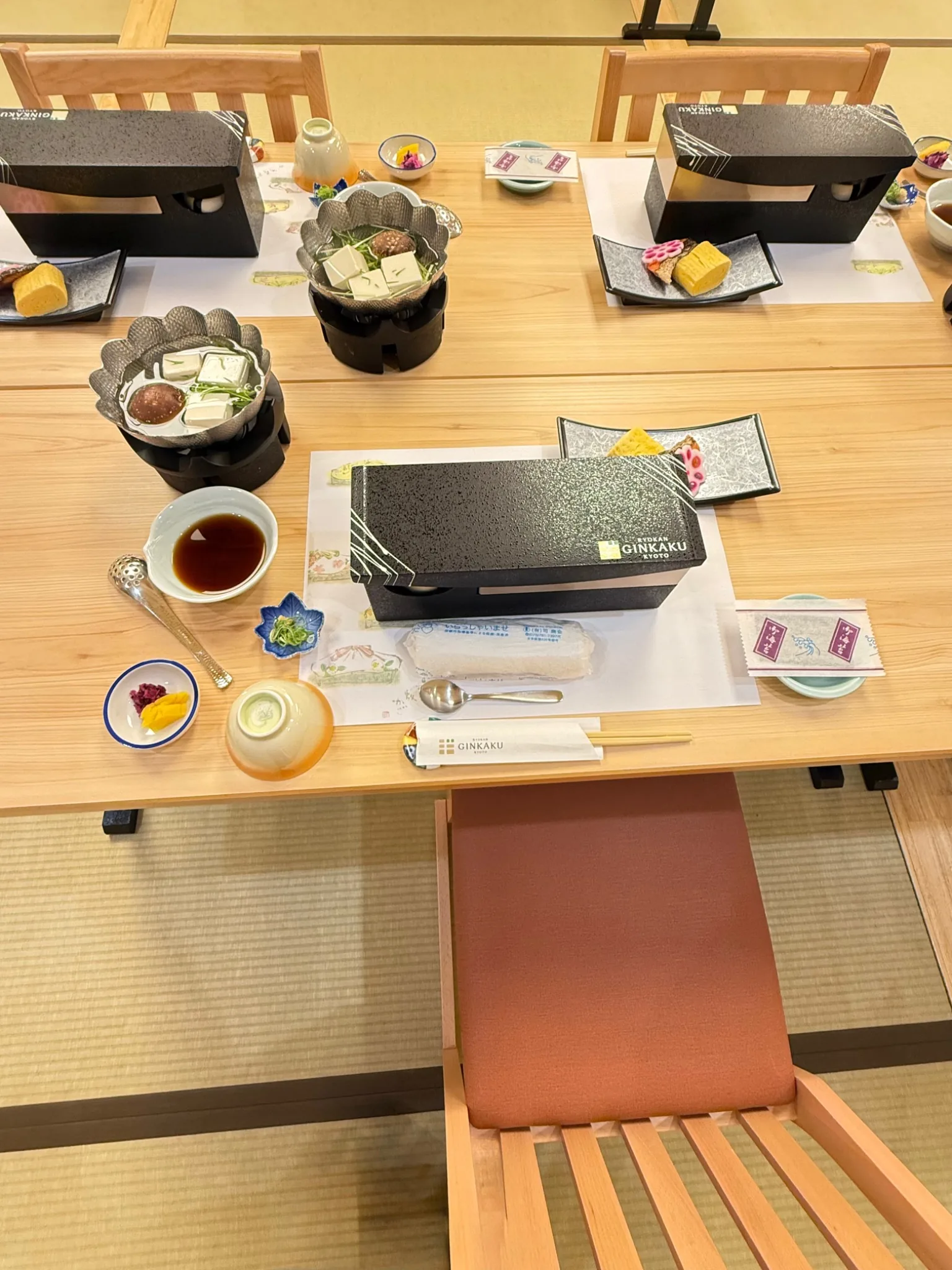
The meals weren't simply something we happened to eat at the hotel—they were part of the experience.
After the pace and sensory overload of Tokyo, having time to slow down and experience this style of hospitality felt particularly special. If someone were planning a first trip to Japan, I would strongly consider including at least one ryokan stay rather than treating every night simply as accommodation.
We also explored the Philosopher's Path, the tranquil stone walkway running alongside a canal near Ginkaku-ji, the Silver Pavilion, and took in the temples and quiet residential streets of this beautiful part of Kyoto.
We visited Nanzen-ji Temple and the area around Heian Shrine before returning to the ryokan for the evening.
Kyoto Day 2: Fushimi Inari, Historic Slopes & Gion
I set an early alarm to reach Fushimi Inari Taisha before the heavier crowds arrived.
Walking beneath seemingly endless rows of vermilion torii gates in the quiet of the early morning was magical—and absolutely worth getting up for.
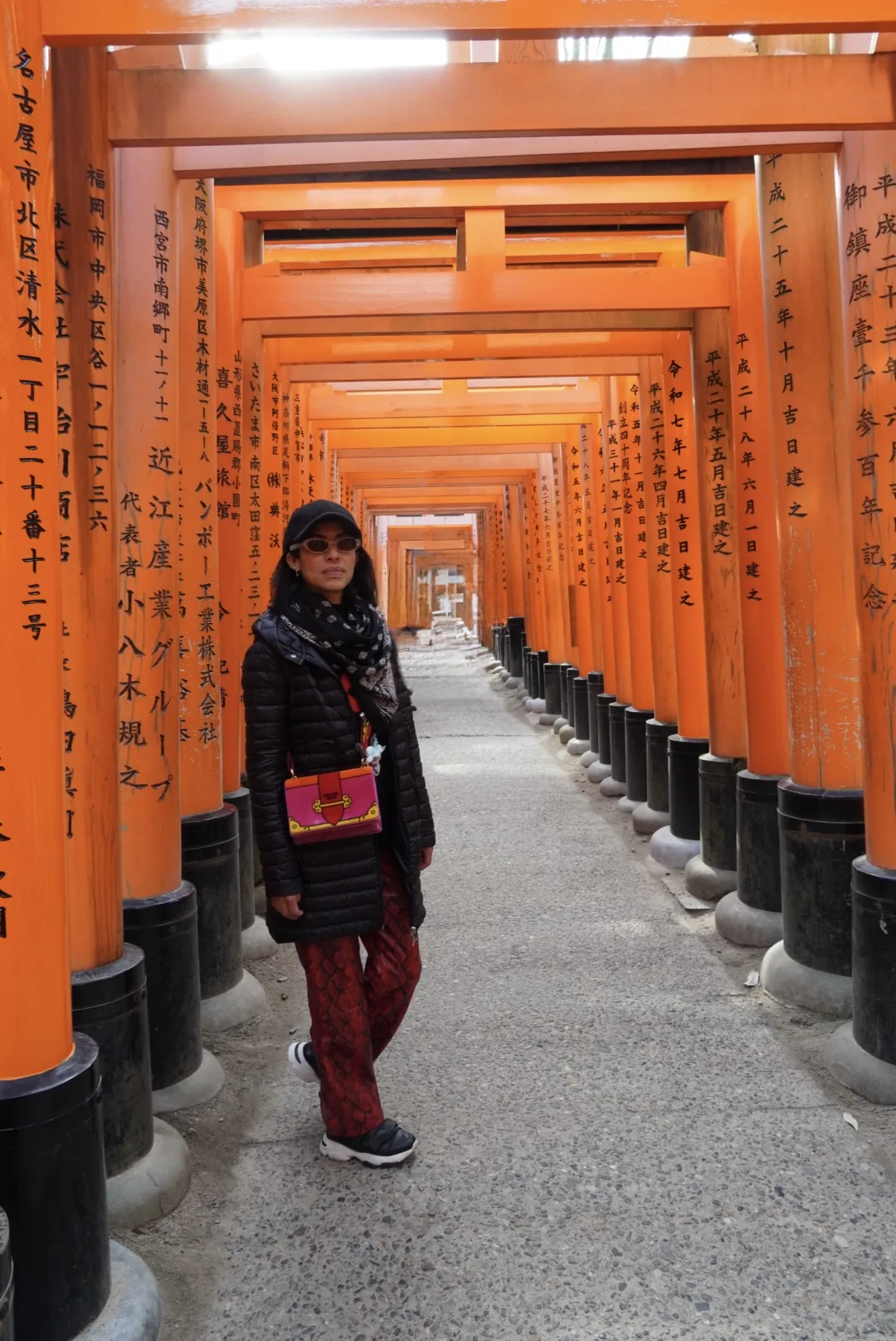
Later, I continued to Kiyomizu-dera, with its famous wooden stage overlooking Kyoto, and spent hours wandering the preserved streets and slopes of Ninenzaka and Sannenzaka, stopping for hot matcha and browsing artisan shops along the way.
In the evening, there was Gion: atmospheric streets, traditional architecture, glowing lanterns, and eventually a very welcome bowl of hot ramen.
Kyoto Day 3: Golden Pavilion & Quieter Temples
I arrived around opening time at Kinkaku-ji, the Golden Pavilion, when the temple seemed to glow above its reflecting pond.
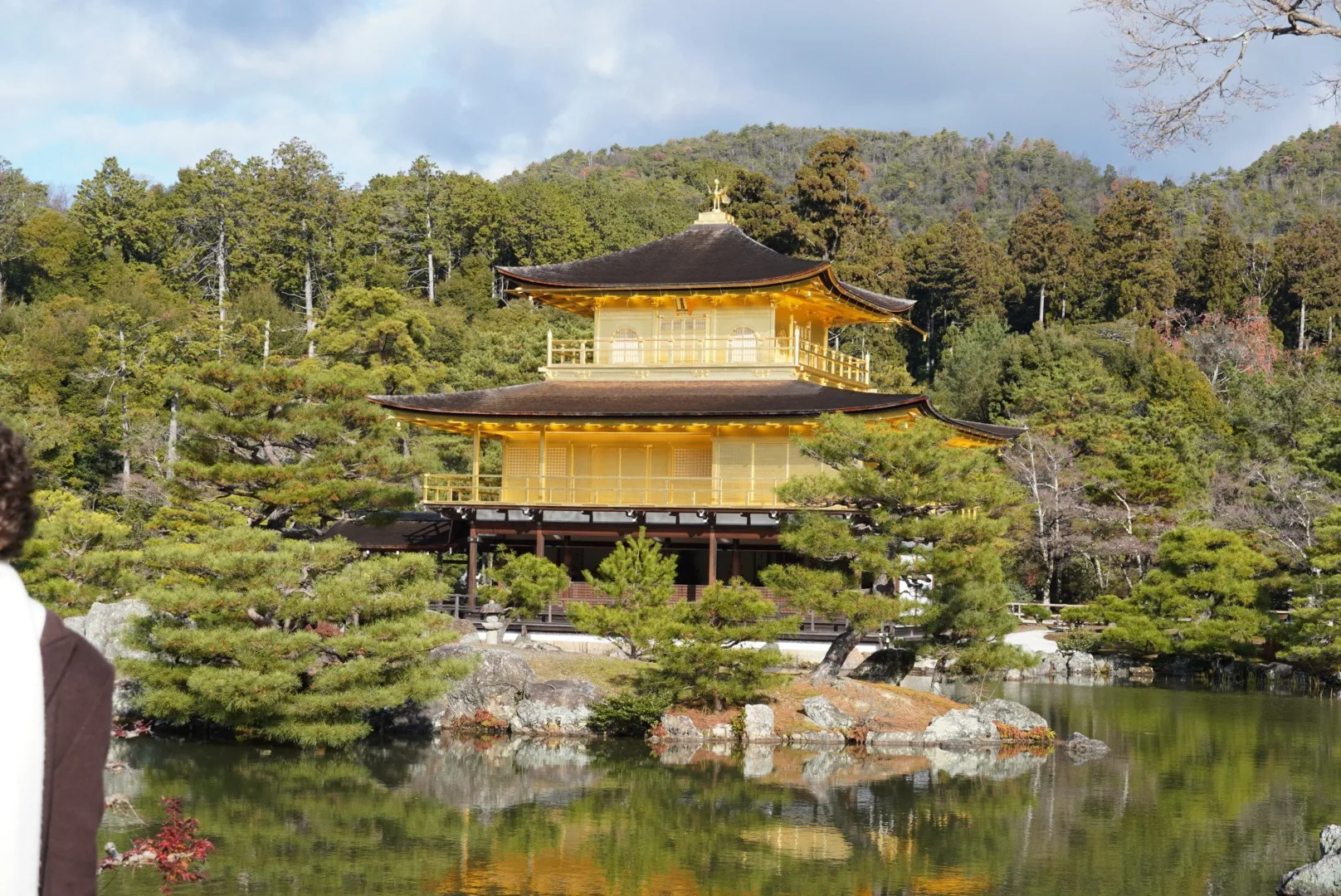
From there came Ryoan-ji and its famous Zen rock garden.
Later, I headed farther northwest beyond central Arashiyama to visit two places I particularly loved: Adashino Nenbutsuji, with its thousands of stone figures, and Otagi Nenbutsuji, known for its collection of whimsical stone rakan disciples.
Compared with some of Kyoto's headline attractions, these felt wonderfully quiet and atmospheric.
The Kyoto Experience We Hadn't Planned
Kyoto also taught us perhaps the most important lesson of the trip.
This was an ambitious itinerary.
Japan involves a tremendous amount of walking, and Kyoto in particular can be deceptive. A day that looks manageable on a map may include long station corridors, hills, stairs, temple grounds, uneven paths, and significant distances between transportation and the actual sight you've come to see.
Because my husband needed a different pace, there were places in Kyoto that he chose to skip while I continued exploring.
And that's how an unexpected experience became part of our trip: he rented a bicycle and rode along the Kamo River.
While I was exploring temples, he was experiencing Kyoto from an entirely different perspective, cycling beside the river and enjoying the city at his own pace.
It reminded me that adapting an itinerary doesn't mean you've somehow missed the destination. Sometimes the alternative becomes one of the experiences you remember most.
Final Night in Tokyo: A Different Side of the City
After Kyoto, we took the Shinkansen back to Tokyo and stayed our final night in Ginza.
I'm glad we did. Instead of simply returning to the same neighborhood where we'd begun, we experienced another side of the city before leaving Japan.
Ginza felt polished and sophisticated, with beautiful shops, restaurants, and Tokyo Station within easy reach. We enjoyed one final evening in the city before the journey home.
The next day brought the inevitable final bowl of ramen, a stash of Japanese treats and souvenirs, and the trip out to the airport.
Quick Winter Travel Tips
- Start early when it matters: For popular Kyoto sights such as Fushimi Inari and Kinkaku-ji, an early start can make a noticeable difference.
- Don't underestimate the walking: A transit-efficient itinerary can still be physically demanding. Build in breaks and consider taxis when they make the day more enjoyable.
- Consider Haneda when you have a choice: It is much closer to central Tokyo than Narita and can make arrival or departure day considerably easier.
- Leave some space: One of our best decisions in Tokyo was having a lighter day without a long checklist.
- Use luggage forwarding: Japan's takkyubin luggage-forwarding services can make moving between cities dramatically easier, particularly if your route includes trains and a stop such as Hakone.
- Include a ryokan if it suits your travel style: For us, it wasn't simply accommodation; it became one of the most memorable cultural experiences of the trip.
- Think beyond trains in Kyoto: Local trains, buses, taxis—and even bicycles for the right traveler—can all have a place in a well-paced itinerary.
- Allow for different travel styles: Not everyone in the same party has to experience a destination in exactly the same way.
What I Would Do Differently
Would I travel to Japan in December again? Absolutely.
I loved the crisp weather, winter illuminations, seasonal atmosphere, and the ability to experience places like Tokyo and Kyoto outside the better-known spring travel season.
What I would change is the pace.
It's incredibly tempting in Japan to fit in one more temple, one more neighborhood, one more observation deck, because there is always something fascinating nearby. Looking back, I would build in more breathing room—particularly in Kyoto—and pay even closer attention to how much walking each day actually requires.
That's also something I now bring to planning Japan for others. The best itinerary isn't necessarily the one that fits the most onto the page. It's the one that fits the people actually taking the trip.
Japan gave us neon-lit nights, quiet temple mornings, an impossibly clear view of Mount Fuji, wonderful meals, a ryokan experience my son still talks about, unexpected changes of plan, and plenty of reasons to return.
And next time, we'll leave a little more room simply to wander.
Private Journey Atelier
Ready to plan your own Japan journey? Lucy designs bespoke Japan itineraries that balance iconic sights, meaningful cultural experiences, comfortable pacing, and the details that make the trip feel effortless. Reach out today to start planning your custom Japan adventure.
Design your trip