Best European River Cruise for Your Travel Style
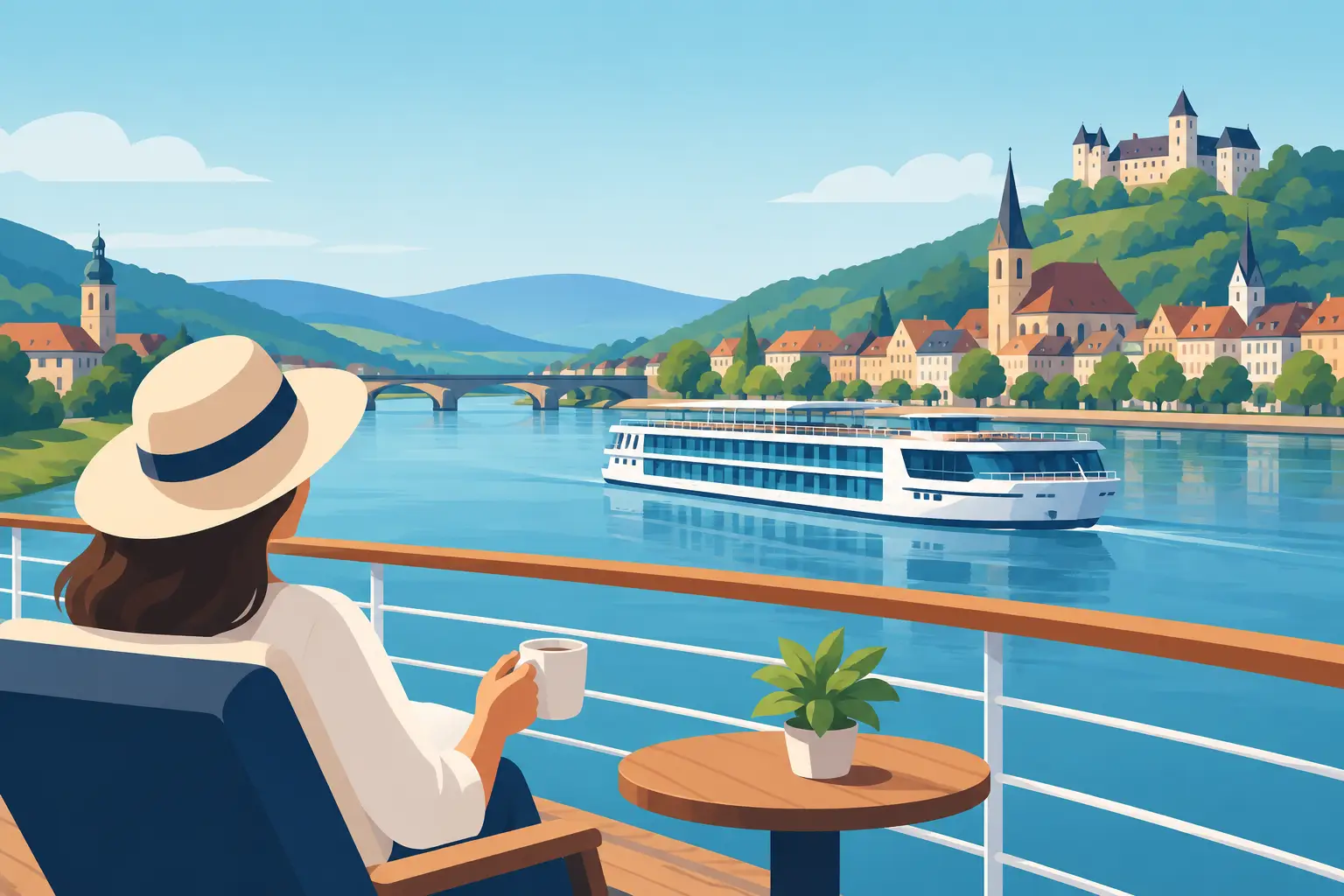
A river cruise can put you in the center of Vienna before breakfast, beside a vineyard in the Wachau Valley by lunch, and at a candlelit table in a medieval town by evening. But the best European river cruise is not simply the itinerary with the most famous ports. It is the sailing that matches how you like to travel: unhurried or active, social or quiet, wine-focused or museum-driven, festive or deeply restorative.
For travelers who value comfort without wasting precious vacation time on packing, train transfers, and hotel check-ins, Europe by river is one of the most elegant ways to travel. Your suite moves with you, the scenery changes outside your window, and a thoughtful itinerary can balance landmark cities with the smaller places that make a journey feel personal.
What Makes the Best European River Cruise?
The most satisfying river cruise starts with a clear sense of priorities. Ships are intimate compared with ocean vessels, typically carrying well under 200 guests, and the experience is designed around a relaxed rhythm: included dining, curated shore excursions, and easy access to towns where large ships cannot go. The trade-off is that river cruising is not built for endless onboard entertainment or late-night nightlife. It is destination-led luxury.
For some travelers, the right ship means a spacious suite, a balcony, polished service, and regional menus paired with local wine. For others, it means bicycles on board, hiking options, a more active touring schedule, or a smaller guest count that creates a quieter atmosphere. Families and multigenerational groups may prioritize connecting accommodations, flexible excursions, and school-break dates. Couples might prefer adults-oriented sailings with a more romantic, culinary focus.
Timing matters as much as the route. Spring brings tulips, fresh green landscapes, and occasional rain. Summer offers long, golden evenings but higher temperatures and busier cities. September and October are especially appealing for wine regions, harvest energy, and comfortable walking weather. Christmas market cruises deliver storybook atmosphere, though daylight is limited and popular dates book early.
The Danube for Grand Cities and Easy Variety
If this is your first European river cruise, the Danube is often the strongest contender. A classic route between Budapest and Passau, Nuremberg, or Munich can include Budapest, Bratislava, Vienna, Melk, the Wachau Valley, Linz, and charming Bavarian or Austrian towns. It delivers a remarkable concentration of architecture, music, imperial history, and café culture without feeling rushed.
The Danube is particularly well suited to couples, first-time visitors to Central Europe, and travelers who want iconic cities alongside countryside. Vienna rewards an extra night before or after the cruise, especially for guests who enjoy opera, art, coffeehouses, and formal dining. Budapest deserves the same consideration, with its thermal baths, riverfront views, and energetic food scene.
A Danube sailing is also an excellent choice for multigenerational travel because the sightseeing is varied. One person can choose a guided palace visit while another joins a bike ride or spends a slower afternoon in a local café. The key is selecting a cruise line whose included excursion pace feels right for your group.
The Rhine for Castles, Vineyards, and Classic Europe
The Rhine is the answer for travelers who want their European river cruise to feel visibly cinematic. Between Amsterdam and Basel, or in reverse, the route can combine Dutch canals, Cologne’s Gothic cathedral, the vineyard-lined Rhine Gorge, Strasbourg’s French-German charm, and the gateway to Switzerland.
The stretch between Koblenz and Rüdesheim is the Rhine at its most dramatic. Castles appear above steep hillsides, villages cluster along the water, and wine country unfolds almost continuously. This is a lovely route for anniversary trips, first visits to Europe, and travelers who prefer scenery as much as museums.
There are trade-offs. The Rhine can feel more popular and more densely traveled than quieter rivers, particularly in high summer and during Christmas market season. For a calmer experience, consider shoulder-season dates or choose an itinerary that adds the Moselle, where winding bends, smaller towns, and Riesling vineyards create a gentler pace.
The Moselle for Wine Lovers Who Prefer Quiet Luxury
A Moselle itinerary is less about checking off capitals and more about lingering over a glass of wine in a riverside town. Ports such as Cochem, Bernkastel-Kues, and Trier offer cobbled lanes, Roman history, and vineyard landscapes that feel wonderfully removed from the larger tourist circuit.
This is one of the best choices for travelers who appreciate food and wine, beautiful walks, and a softer schedule. It may be less ideal for someone hoping to see Europe’s major capitals in one trip. That is not a flaw. It is precisely the point.
The Douro for Intimate Scenery and Portuguese Flavor
Portugal’s Douro River is among Europe’s most rewarding routes for guests who want warmth, flavor, and an unmistakable sense of place. Most itineraries begin or end in Porto, then travel through the terraced vineyards of the Douro Valley toward the Spanish border. The scenery is breathtaking, but the appeal goes beyond views: port tastings, family-run quintas, Portuguese cooking, and a relaxed welcome make this route feel deeply hospitable.
Douro ships tend to be smaller, and the river itself is narrower and more intimate than the Danube or Rhine. Expect locks, winding passages, and a slower scenic journey. Because flights from the United States often require a connection, it is wise to arrive in Porto at least two nights before embarkation. That extra time protects against flight disruptions and lets you enjoy one of Europe’s most atmospheric cities without watching the clock.
The Douro is ideal for couples, friends traveling together, and food-and-wine-minded guests. It is less compelling for travelers whose priority is a rapid sweep of big-name European cities. For them, the Danube may offer more range.
The Rhône and Seine for France at Its Most Personal
France offers two very different river experiences. The Rhône is the choice for gastronomy, Provençal markets, Roman history, and sun-washed landscapes. Itineraries often connect Lyon, Avignon, Arles, and smaller towns, with opportunities to taste wine, visit olive groves, or follow in the footsteps of Van Gogh.
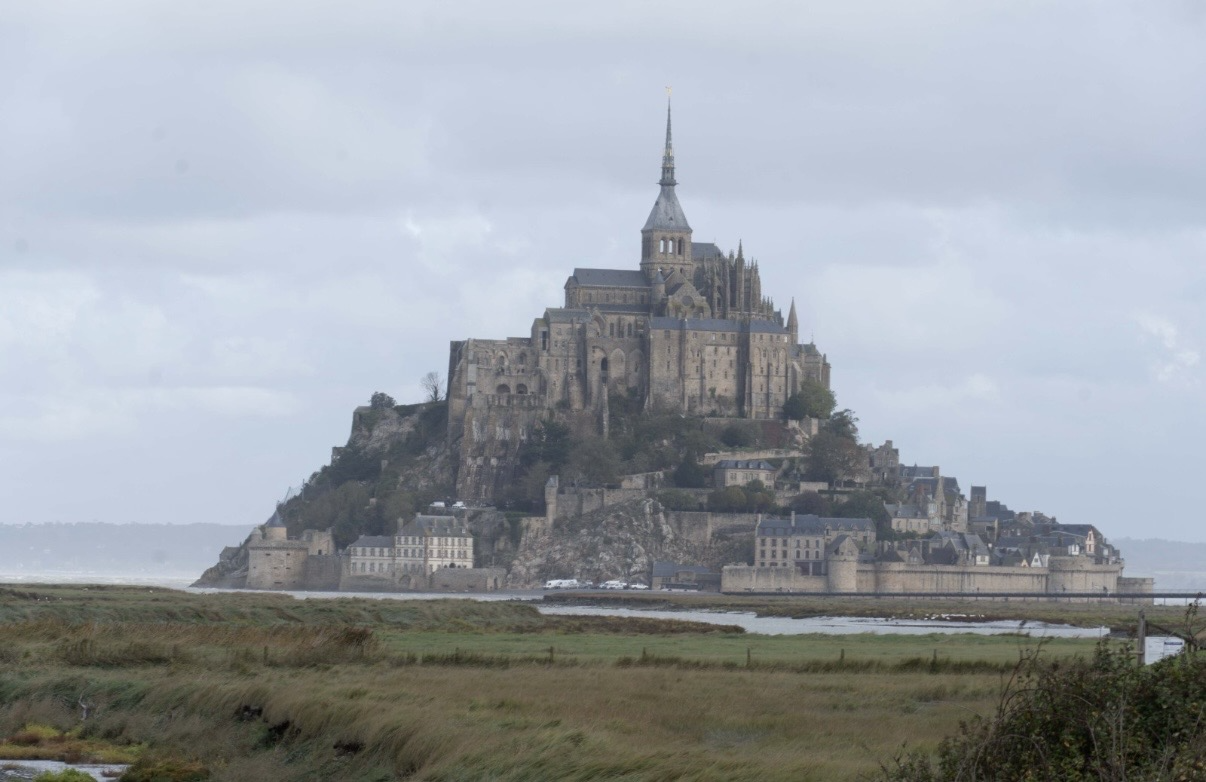
The Seine is more naturally paired with Paris. A round-trip sailing from the French capital can include Normandy, Rouen, Giverny, and sites connected to D-Day history. It is a meaningful choice for art lovers, history-focused families, and travelers who want to combine Paris with a quieter rural France.
Neither route is interchangeable. Choose the Rhône for food, wine, and the South of France. Choose the Seine for Paris, Impressionism, and Normandy’s powerful historical context. A well-planned pre- or post-cruise stay can make either journey feel far more complete than arriving just in time to board.
Choosing the Right Cruise Line and Suite
The cruise line shapes the trip as much as the river. Viking River Cruises and other river cruise lines each offer a different combination of ship style, inclusions, excursions, dining, and atmosphere. Some lines emphasize contemporary design, wellness, and active excursions. Others lean into classic luxury, larger suites, high-touch dining, or highly inclusive fares. A smaller ship may feel more personal, while a larger river vessel may provide more public spaces and a wider range of suite categories.
Do not assume the highest deck or largest suite is automatically best. On some ships, a French balcony offers fresh air and a beautiful view, while a full balcony reduces interior space. On others, a lower-deck suite may be quieter, more private, and a better use of the budget if you plan to spend most days ashore. Connecting staterooms, elevator access, mobility considerations, and bed configuration should all be addressed before a deposit is placed.
The fine print also deserves attention. Included excursions vary widely. So do beverage policies, gratuities, airport transfers, specialty dining, and enrichment programming. The right value is not always the lowest fare. It is the itinerary and inclusions that prevent expensive surprises while giving you the experience you actually want.
Make the Cruise Part of a Bigger European Journey
A river cruise is often at its best when it is not treated as the entire vacation. Add two or three nights in a gateway city, arrange private transfers, and build in breathing room around international flights. This is where a tailored itinerary protects both your comfort and your time.
Through Lucy Trails Atelier, your cruise can be paired with the right pre- and post-stays, private touring, rail connections, and thoughtful logistics. Depending on the sailing and supplier, preferred amenities or added value may be available, along with the reassurance that when plans shift, you send me a single text rather than spending your trip on hold.
The right river is the one that leaves room for the moments you cannot schedule: a second glass of Riesling on the Moselle, a quiet early walk through Porto, or watching Budapest light up from the water after dinner.