Luxury Travel That Gives You More Time Back
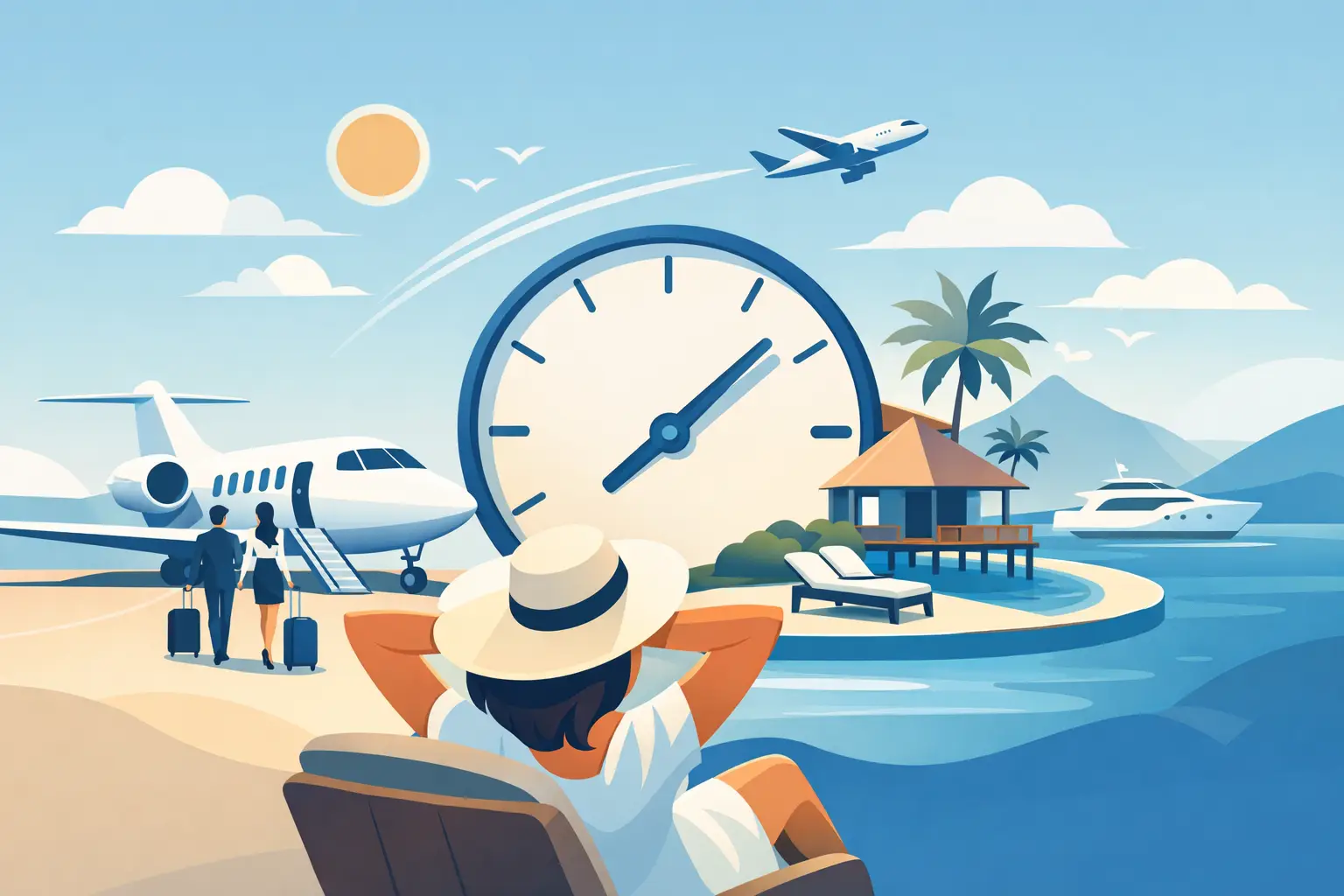
A private transfer is waiting when you land. Your room is ready early after a red-eye. Dinner has been arranged at the restaurant everyone else is emailing for. When a connection changes, you send one text instead of spending an hour with an airline chatbot. That is luxury travel at its most valuable: not simply beautiful surroundings, but more time to enjoy them.
For travelers who can book almost anything online, the question is no longer whether information is available. It is whether the details are right for your trip, your pace, and the people traveling with you. A glamorous hotel can still be the wrong choice if its beach is difficult to access, its rooms do not suit a family, or its location turns every dinner reservation into a logistical project.
Luxury Travel Is a Feeling, Not a Price Point
A high nightly rate does not automatically create a high-quality trip. Luxury is personal. For one couple, it may mean a quiet adults-only Caribbean resort with a swim-up suite and no decisions beyond where to have dinner. For another, it is an African safari where every transfer, camp, guide, and internal flight has been thoughtfully timed. A multigenerational family may define it as having enough space to gather, enough privacy to retreat, and a team that understands the difference between a kid-friendly pool and a truly easy family stay.
The common thread is ease. The best trips remove friction before it becomes visible. They account for the airport arrival experience, realistic transfer times, a room category that actually fits the guests, and meaningful plans that leave room to linger. They also reflect the kind of traveler you are. An active traveler may prefer a luxury hiking itinerary with excellent guides and restorative hotels at the end of each day. A honeymooner may value privacy, atmosphere, and a resort team that anticipates special moments without making the experience feel staged.
That is why choosing a destination from a beautiful photo is only the first step. The better question is: what would make this trip feel completely taken care of for us?
The Details That Turn a Good Trip Into a Great One
Many of the most memorable travel moments happen because someone handled an unglamorous detail well. A flight that arrives at the right airport. A driver who knows the hotel entrance instead of dropping you on the wrong side of a historic city. A restaurant reservation made for the evening you will actually have energy to enjoy it.
It is especially true when an itinerary has several moving parts. A European rail journey may sound simple until you are coordinating platform changes, luggage, hotel check-in times, private touring, and onward transfers. A cruise can be wonderfully relaxing, but the right sailing depends on more than the ship. Cabin location, dining preferences, embarkation timing, pre- and post-cruise hotels, and shore experiences all shape the result.
Luxury planning also means knowing when not to overplan. A first-time visit to Japan may deserve private guides for key neighborhoods and cultural experiences, while still protecting free afternoons for wandering. A week in Mexico may be best with one exceptional resort rather than a rushed split stay. More is not always better. The right itinerary leaves space for discovery without leaving you to solve problems on the ground.
The Value of VIP Recognition
Preferred relationships can translate into benefits that feel practical, not performative. Daily breakfast can be a meaningful inclusion at a top hotel. A resort credit may cover a memorable dinner, spa treatment, or family activity. Priority status and room upgrades, when available, can improve the stay before you have even unpacked.
These are not simply extras to collect. They are useful when aligned with the trip. Breakfast matters more on a busy city itinerary than on a resort where you prefer to sleep late. A resort credit is most valuable when it fits how you already want to spend your time. Loyalty-point eligibility matters to travelers who have worked hard to maintain status and do not want personalized service to come at the expense of their usual recognition.
A thoughtful advisor helps distinguish a real advantage from marketing language. Sometimes the best preferred offer is obvious. Other times, a public promotion or a specific loyalty rate is the smarter choice. Luxury should include good judgment about value, not pressure to choose the most expensive option.
Why Luxury Travel Needs a Human Safety Net
Even a perfectly planned itinerary can encounter weather, delays, illness, strikes, or a missed connection. The difference is what happens next.
When travel is self-booked across multiple websites, each provider may see only its individual piece. The airline handles the flight, the hotel handles the room, and the transfer company handles the car. You are left to explain the entire situation repeatedly while trying to make decisions from an airport gate or a foreign city.
With an advisor in your corner, there is a person who understands the larger plan and can help prioritize the next move. Perhaps the immediate need is protecting a hotel reservation after a late arrival. Perhaps it is arranging a new transfer, shifting a tour, or helping locate an alternative route when a connection falls apart. Not every disruption can be prevented, and no advisor can control the weather or airline operations. What personalized service offers is advocacy, context, and a calmer path forward.
For solo travelers, this support can be particularly reassuring. For families and groups, it can save a vacation from becoming a chain of stressful decisions. For travelers navigating language barriers abroad, having a professional communicate precisely with overseas hotels and operators brings another layer of confidence.
Where Expert Guidance Matters Most
Some trips benefit from specialized planning more than others. Safaris require careful consideration of seasonality, wildlife interests, camp styles, internal flights, and the realities of travel between regions. Private tours can be extraordinary when they are tailored to your interests, but a generic itinerary with a private car is not automatically a private experience worth paying for.
Rail journeys demand the same discernment. Scenic routes and iconic trains can be magical, yet the right choice depends on how much time you have, whether you enjoy formal service, and how the journey connects with the rest of your trip. A rail experience should feel like a highlight, not a complicated detour.
Ocean and river cruises also reward clear matching. Some guests want lively evenings and a wide choice of dining venues. Others want immersive ports, a smaller ship, or an itinerary centered on food, wine, history, and local culture. The best cruise is not the one with the most impressive brochure. It is the one that feels made for the way you want to travel.
For ultra-luxury journeys, private aviation, yacht charters, airport fast-track service, and fully customized ground arrangements can offer exceptional comfort. They are also areas where expertise matters. The goal is not to add luxury for its own sake, but to make each choice serve the experience you want.
A Better Way to Book Luxury Travel
Working with a travel advisor does not mean surrendering control. It means having a capable partner who listens to what matters, presents options with honest trade-offs, and manages the details once you decide. You remain the traveler with the vision. Your advisor becomes the person turning that vision into a well-supported reality.
At Lucy Trails Atelier, clients can receive direct rate matching alongside supplier-funded VIP benefits such as daily breakfast, resort credits, priority status, and room upgrades when available. Those advantages are often available at rates comparable to booking direct, while protecting hotel loyalty recognition where eligible. The difference is that your booking comes with a real person who knows why you chose it and can help when plans change.
The next time you are considering a milestone trip, a restorative escape, or an ambitious itinerary across several countries, begin with the experience you want to have rather than a list of tabs to open. The right planning can make every hour away feel like it belongs to you.