Safari Seasons: When to Go and What to See
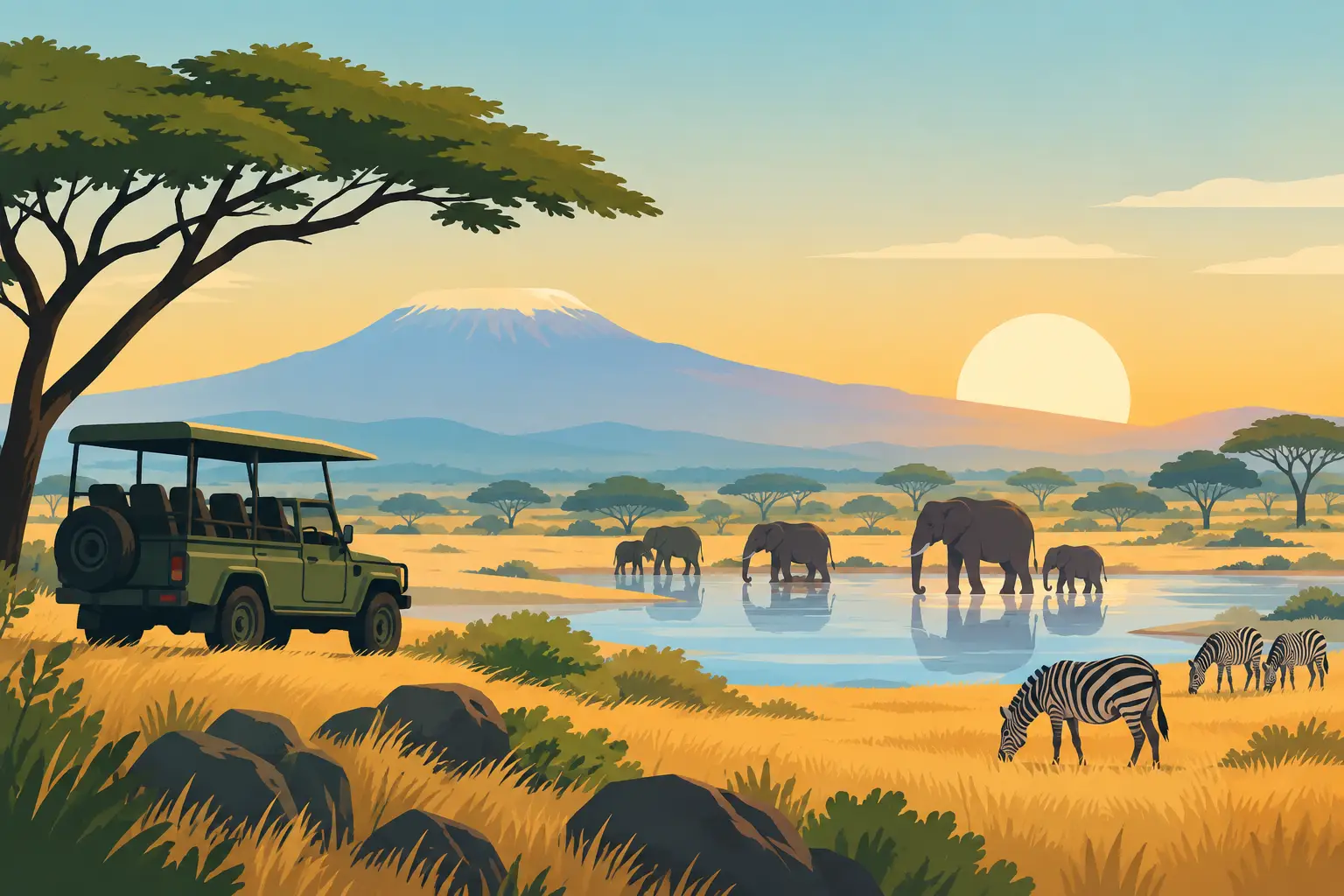
The right safari is rarely about finding a single “best month.” Safari seasons change the rhythm of the landscape, the way wildlife gathers, the level of privacy at camp, and even how your days feel behind the camera. A lion sighting at dawn is extraordinary in any season. But whether you want dramatic river crossings, green landscapes, predator action, newborn animals, fewer vehicles, or a more favorable value window will determine when and where to go.
For travelers investing in a once-in-a-lifetime journey, timing deserves the same attention as choosing the lodge. A beautifully designed itinerary considers animal behavior, weather patterns, school holidays, flight routing, and the kind of experience you actually want - not just a broad promise of “the Great Migration.”
Safari Seasons Are Different in Every Region
Africa is not one safari season. East Africa, Southern Africa, Rwanda, Uganda, and the Indian Ocean each operate on their own weather patterns and wildlife cycles. A dry-season safari in Botswana may be at its most spectacular while Tanzania is lush and rain-soaked. This is why an itinerary that combines multiple countries needs thoughtful pacing rather than a generic calendar recommendation.
The most useful distinction is between dry and green seasons. The dry season generally brings thinner vegetation and shrinking water sources, making wildlife easier to locate. Animals congregate near rivers, waterholes, and permanent marshes. Skies are often clear, temperatures can be cooler in the morning and evening, and there are usually fewer mosquitoes.
The green season, often called the rainy season, is not a compromise. Rain typically arrives in patterns rather than all-day downpours, and the reward is vivid landscapes, fewer visitors, lower rates at select camps, abundant birdlife, and remarkable newborn-animal sightings. It can be a particularly intelligent choice for return safari travelers, photographers who love atmosphere, and families who want more space and flexibility.
Dry Season Safaris: Classic Wildlife Viewing
From roughly June through October, many parts of Southern and East Africa enter their most sought-after dry-season period. Exact dates vary by destination, but this is when classic game-viewing expectations often align: elephants at water, large buffalo herds, predators following concentrated prey, and easier visibility through shorter grass and sparse brush.
In Botswana, the Okavango Delta is especially compelling during these drier months because floodwaters arrive from rain that fell farther north. The result is an extraordinary contrast of dry surrounding land and a lush inland delta filled with channels, lagoons, and islands. A journey can pair game drives with mokoro excursions and boating, depending on the camp and water levels.
In South Africa, private reserves bordering Kruger National Park are often excellent from May through September. Cool, dry conditions make long game drives comfortable, and wildlife tends to gather predictably near water. This is also a strong choice for first-time safari travelers who want superb guiding, refined lodges, straightforward logistics, and the possibility of combining safari with Cape Town and the Winelands.
There are trade-offs. Peak months bring higher lodge rates and stronger demand for the best suites, family villas, and small camps. Popular sightings can also attract more vehicles in public parks. Booking early matters, especially for July through September travel, festive-season extensions, and multigenerational groups needing connected accommodations.
The Great Migration: A Moving Wildlife Event
The Great Migration is one of travel’s most misunderstood spectacles because it is not confined to one place or one short window. More than a million wildebeest, alongside zebra and gazelle, move in a continual annual cycle through Tanzania’s Serengeti and Kenya’s Maasai Mara, following grass and rainfall.
From approximately January through March, the southern Serengeti and Ndutu area can offer calving season. The plains fill with newborn wildebeest, and predators are never far away. This is emotionally powerful wildlife viewing, though it is not the river-crossing drama many travelers picture.
Around April and May, rains can make some areas more challenging to access, but the landscapes are beautiful and the herds begin moving north and west. By June and July, the migration often progresses through the western and northern Serengeti. River crossings may occur, but nature does not follow a fixed schedule.
The iconic Mara River crossings are most commonly associated with roughly July through October in northern Serengeti and the Maasai Mara. They are thrilling, unpredictable, and highly dependent on where the herds happen to be. No ethical advisor or lodge should promise a crossing on a particular day. A well-built migration itinerary instead places you in the right ecosystem at the right stage of the journey, with enough nights to let wildlife set the agenda.
Green Season Safaris: The Smart Luxury Alternative
Travelers sometimes hear “rainy season” and imagine a safari spent indoors. In many safari regions, that picture is simply inaccurate. Afternoon showers are common, roads can be muddier, and a few remote camps may close temporarily, but mornings often remain excellent for game drives.
Green season has a softer, more private kind of luxury. The air is clear after rain, the landscape is intensely green, and photographic light can be dramatic. Migratory birds arrive in enormous numbers, making this a wonderful period for birders and anyone who appreciates the full ecosystem rather than checking off only the Big Five.
It can also create meaningful value. Certain lodges offer seasonal rates that make longer stays, private vehicles, or a higher room category more attainable. The savings are not universal - holiday weeks and highly exclusive camps can remain expensive year-round - but flexibility can make an enormous difference.
For honeymooners, green season can feel particularly romantic: quieter camps, fewer vehicles at sightings, and more time to absorb the stillness of the bush. For families, it depends on priorities. If children are eager for highly visible wildlife and predictable dry roads, dry season may be simpler. If the family can embrace a little weather and wants a less crowded experience, green season can be memorable.
Choosing Safari Seasons by Travel Style
If your priority is your first safari and extraordinary wildlife density, dry season in a well-managed private reserve or a classic East African circuit is often the confident choice. You will likely appreciate clear daily rhythms, experienced guides, excellent visibility, and reliable camp operations.
If you are a photographer, your ideal dates depend on your subject. Dry-season conditions often favor animal portraits, dust, dramatic predator scenes, and clear backgrounds. Green season can be better for lush settings, moody skies, birdlife, reflections, and young animals. Photography-focused safaris may also call for a private vehicle, which allows the guide to work at your pace rather than following a shared-drive schedule.
If you are traveling for a honeymoon or milestone anniversary, consider whether you value peak wildlife action or a quieter lodge atmosphere. A combination can be ideal: several nights in a high-action area followed by a remote camp with exceptional food, spa treatments, or water-based activities. The best safari does not need every day to be a dawn-to-dusk game drive.
For multigenerational families, logistics are central. Shorter flight connections, malaria considerations, child-age policies, private villas, and the availability of flexible daily activities deserve as much attention as the season. South Africa can be especially appealing for its polished infrastructure, while Kenya and Tanzania deliver a more expansive sense of wilderness. Neither is universally better - it depends on the family’s comfort level and desired pace.
What the Calendar Cannot Tell You
Weather patterns are shifting, and wildlife is wild. A travel calendar can provide a strong planning framework, but it cannot guarantee rainfall, river crossings, or a particular animal encounter. That uncertainty is part of safari’s magic, provided the itinerary is designed with enough expertise and flexibility to make the most of it.
Camp selection matters enormously. A property positioned near permanent water may perform beautifully during a dry spell. A mobile camp that follows the migration can place guests closer to the action, while a permanent lodge may offer larger suites, private plunge pools, and more extensive amenities. Neither approach is inherently more luxurious. The right choice comes down to what you want your time in the bush to feel like.
A thoughtful safari plan also leaves breathing room. Two nights may look efficient on paper, but three or four nights in one area give you a better chance of varied sightings, changing light, and the unhurried feeling that makes a safari transformative. Add the right regional flights, pre-arranged transfers, and trusted ground teams, and the journey feels effortless rather than over-engineered.
When you are ready to choose your dates, start with the experience you want to remember: a leopard in golden winter light, a green plain scattered with newborn wildebeest, elephants moving through floodwater, or a quiet sundowner with no other vehicle in sight. Lucy Trails Atelier can shape the season, camps, flights, and every on-the-ground detail around that vision - with someone to text when the journey takes an unexpected turn.
Lucy Trails Atelier
Continue Exploring Safaris
Ready to Plan Your Safari?
The right safari starts with more than choosing a destination. I’ll help you match the season, wildlife experiences, camps and routing to the way you want to travel — then coordinate the details from arrival to your final game drive.
Start Planning Your Safari