Small Ship Cruise Guide for a Better Escape
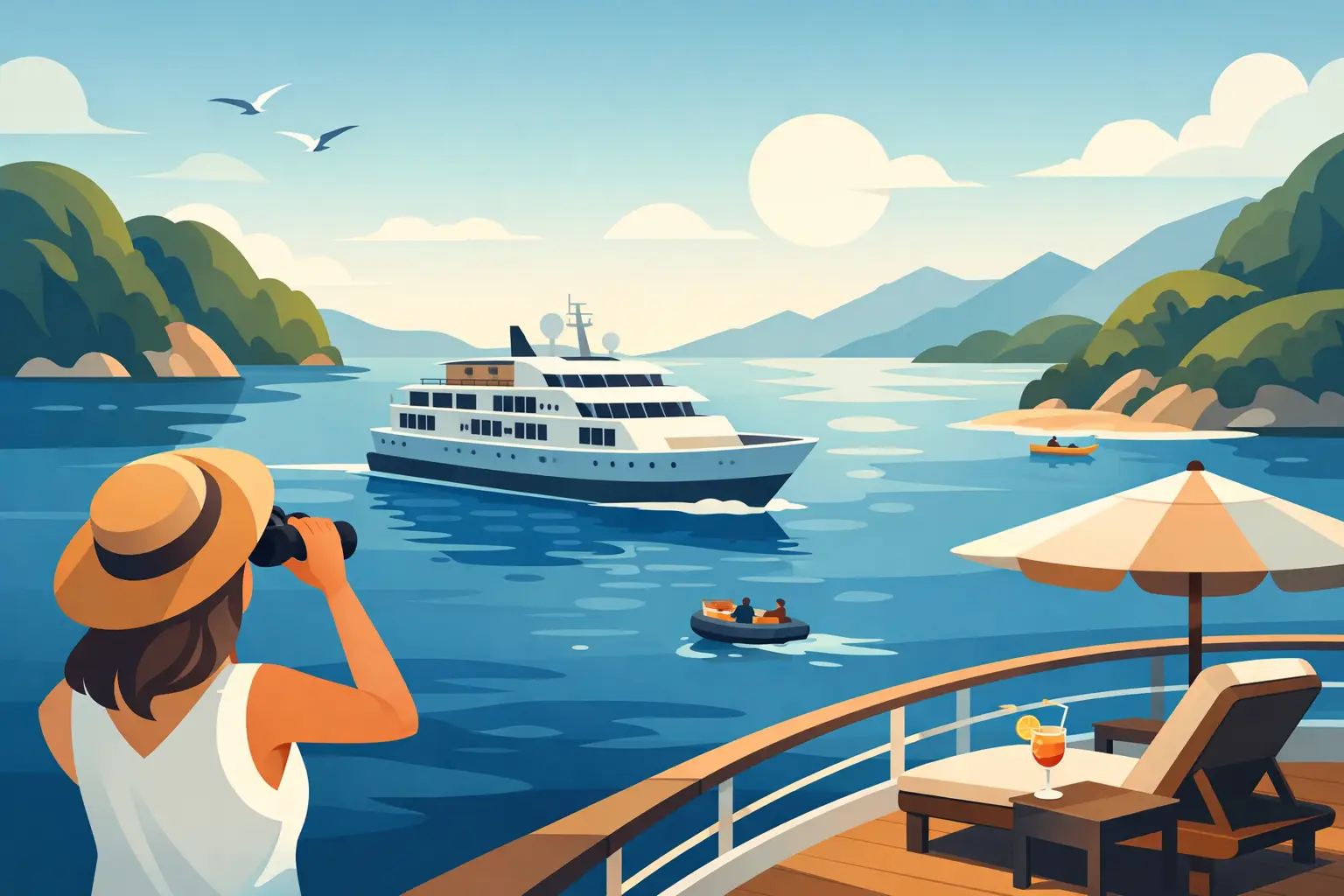
A small ship cruise is not simply a larger cruise with fewer guests. It is a different way of traveling: mornings anchored beside a quiet island, afternoons in historic ports that mega-ships cannot reach, and a crew that knows your preferred drink by the second evening. This small ship cruise guide is for travelers who want the pleasure of being at sea without surrendering their vacation to crowds, rigid schedules, or a floating city’s constant noise.
For couples, families celebrating a milestone, solo travelers, and active travelers with a curiosity for place, the appeal is easy to understand. The more useful question is whether the particular ship, itinerary, cabin, and season suit the way you like to travel. Luxury is not one-size-fits-all, and neither is small-ship cruising.
What a Small Ship Cruise Really Delivers
Most small ships carry anywhere from a few dozen to several hundred guests, rather than several thousand. That scale changes the rhythm of the trip. Embarkation is generally calmer, getting off the ship is faster, and the onboard experience feels more intimate than transactional.
The greatest advantage is often geographic. Smaller vessels can navigate narrow waterways, tuck into protected coves, call at lesser-known harbors, and use tender operations more efficiently. In destinations such as the Galápagos, Alaska, the Greek Isles, the Adriatic, French Polynesia, coastal Croatia, and parts of Southeast Asia, that access can turn a good itinerary into an extraordinary one.
Service also tends to feel more personal. You may have a higher crew-to-guest ratio, open seating in restaurants, fewer lines, and a more relaxed dress code. On expedition-style ships, naturalists, historians, and local specialists add meaningful context to what you see ashore. On yacht-like luxury vessels, the emphasis may be on privacy, exceptional cuisine, and the sensation that your hotel happens to move with you.
That said, smaller does not automatically mean better. A ship with 60 guests can feel wonderfully private for one traveler and overly social for another. Some vessels have limited entertainment, fewer dining choices, compact fitness areas, or cabins that vary dramatically in size. The right cruise depends on what you hope to gain from your days at sea.
Small Ship Cruise Guide: Start With Your Travel Style
Before choosing an itinerary, decide what role the ship should play. Do you want it to be a serene retreat between immersive shore days, or is the ship itself a central part of the vacation?
Travelers drawn to cultural discovery often prefer expedition or destination-led cruises. These voyages prioritize expert-led excursions, Zodiac landings, hikes, wildlife viewing, and flexible routing when conditions permit. They are ideal for Alaska’s remote coastlines, Antarctica, the Galápagos, and the Kimberley region of Australia. The trade-off is that the days can be active, weather can shape the plan, and the onboard atmosphere may be practical rather than glamorous.
If your ideal is polished leisure, consider a luxury yacht-style cruise. These ships often offer spacious suites, sophisticated dining, a marina platform for water sports on select itineraries, and a more unhurried pace. They suit honeymooners, anniversary travelers, and friends who want beautiful ports without the logistics of moving hotels every few nights. The trade-off is that the fare may be higher, and some itineraries offer less included adventure programming.
For multigenerational travel, look carefully at the guest mix and daily activity level. A small ship can be an excellent choice for a family celebration because everyone can gather easily at meals and explore together without coordinating a large resort. Yet a vessel with few child-friendly facilities may not suit young children who need downtime or familiar entertainment. Teenagers often thrive on expedition cruises when kayaking, snorkeling, hiking, or wildlife encounters are part of the day.
Choose the Destination Before the Brand
Cruise lines build loyal followings, but itinerary quality should lead the decision. A beautiful ship cannot make up for too many short port calls, inconvenient flight connections, or a route that spends more time repositioning than exploring.
In the Mediterranean, smaller ships shine in places where major ports can feel overwhelmed. Think less about checking off Rome, Florence, and Barcelona in a week, and more about a carefully paced route through the Cyclades, Dalmatian Coast, Corsica, Sardinia, or lesser-visited Italian islands. You may enjoy more atmospheric evenings ashore and less time commuting from an industrial port to the city you actually came to see.
Alaska requires another lens. Larger ships can offer strong value and plenty of entertainment, but a smaller vessel may take you closer to calving glaciers, wildlife-rich bays, and communities that do not appear on standard routes. Look at the balance of scenic sailing, expedition activity, and cultural stops. If bears, whales, and quiet landscapes are the purpose of the trip, an itinerary with expert guides and time in remote areas is worth prioritizing.
For the Galápagos, ship size is especially consequential. Small vessels are the norm, and the experience is structured around daily landings, naturalist interpretation, and strict conservation rules. Cabins may be simpler than those on an ocean-luxury ship, but the destination is the centerpiece. Choose a route based on the islands and wildlife experiences that matter most, then compare vessel comfort.
French Polynesia rewards travelers who enjoy a balance of lagoon time, local culture, and slow sailing. A small ship can access intimate anchorages and make snorkeling part of the day rather than a rushed excursion. It can also pair beautifully with a few nights at an overwater bungalow before or after the cruise, allowing you to settle into the destination rather than treating it as a single week away.
The Cabin Decision Matters More on a Small Vessel
On a compact ship, your suite can be either a peaceful sanctuary or simply a place to sleep between excursions. Neither approach is wrong, but it should be intentional.
For active expedition itineraries, a lower-category cabin may make perfect sense if you plan to be out at every landing and lecture. Instead, direct the budget toward a better air itinerary, a pre-cruise stay, or private touring in the embarkation city. On scenic routes with sea days, however, a balcony or larger suite can significantly improve the experience, especially if you value private outdoor space and room-service breakfasts with a view.
Location deserves attention too. Travelers prone to motion sickness may prefer a midship cabin on a lower deck, where movement is generally less noticeable. Cabins close to lounges, tenders, or dining spaces can be convenient but may bring more foot traffic. Ask about connecting rooms, sofa beds, accessible layouts, and laundry options before confirming a family or longer sailing.
Do not assume every balcony is equally private, or that every suite includes the same benefits. On some ships, the difference between categories is mostly square footage. On others, it changes access to dining reservations, butler service, priority boarding, included transfers, or specialty experiences.
Understand What the Fare Actually Includes
Small-ship cruise pricing can appear straightforward until you compare the details. A higher upfront fare may include fine dining, beverages, gratuities, Wi-Fi, shore excursions, pre-cruise hotels, or charter flights. Another sailing may have a lower headline price but add those expenses later.
Review the inclusions through the lens of your own habits. If you enjoy wine with dinner, prefer a flexible choice of excursions, and would rather not calculate gratuities each day, an inclusive fare can offer both value and ease. If you enjoy independently exploring ports and rarely drink alcohol, paying only for what you use may be smarter.
Also account for the travel days around the cruise. A one-night airport hotel before embarkation is often wise, particularly when flights involve weather-sensitive connections or international arrivals. It protects the beginning of your trip and gives you a more relaxed start. In remote destinations, required charter flights, luggage restrictions, and transfer timing should be planned as carefully as the ship itself.
Pick a Season That Fits Your Priorities
The best season is rarely universal. Shoulder season can mean fewer visitors, better value, and gentler temperatures, but it may also bring cooler water, occasional rain, or fewer late-night dining options in seasonal ports.
In the Mediterranean, May, early June, September, and October often offer a favorable balance of weather and crowds. Peak summer brings warmer seas and longer days, but also fuller ports and higher demand. Alaska’s season is shorter, with each period offering a different advantage: early season can bring snow-dusted scenery, midsummer has long daylight hours, and late summer may be appealing for fall color and certain wildlife patterns.
For expedition regions, conditions matter even more. Antarctica sailings follow a seasonal progression, from pristine early-season landscapes to peak wildlife activity later on. Choosing dates should be tied to your priorities, not just the lowest available fare.
Let the Logistics Feel Invisible
A refined cruise should feel effortless, but that ease is usually built through thoughtful planning. Flights, transfers, hotel nights, dinner reservations, travel protection, mobility needs, and special occasions all deserve consideration before the final payment date.
That is where an advisor’s role becomes practical rather than ornamental. Lucy Trails Atelier can compare the right vessel and route for your travel style, coordinate the surrounding journey, and provide a direct human point of contact if flights or plans change. You send a single text rather than spending precious vacation time navigating a call center.
When available through preferred partners, booking can also bring direct rate matching and supplier-funded VIP benefits, including daily breakfast on qualifying pre- or post-cruise hotel stays, resort credits, room upgrades if available, and priority status. Those un-googleable perks matter most when they are paired with a plan that genuinely fits you.
The best small ship cruise leaves room for the unexpected: a pod of dolphins beside breakfast, an unscheduled swim in clear water, a port you had never planned to love. Choose the voyage that gives you enough comfort to relax and enough access to let the destination surprise you.
EXPLORE FURTHER
Inspired by this journey?
Here’s one experience I think is worth a closer look.
Explore the Journey →