Villa Versus Hotel: Which Stay Fits You?

A villa versus hotel decision often comes down to one revealing moment: do you picture slipping into a quiet private pool after breakfast, or walking downstairs to a perfectly made cappuccino while someone else has already arranged the day? Both can be extraordinary. The better choice is the one that matches how you want to spend your time, who is traveling with you, and how much service you want close at hand.
For a honeymoon in the Maldives, a multigenerational week in Mexico, or a milestone escape in Italy, the accommodation is not simply where you sleep. It sets the rhythm of the entire trip. Privacy, dining, transportation, local access, and even how disruptions are handled can feel very different in a villa than at a luxury hotel.
Villa Versus Hotel: Start With the Way You Travel
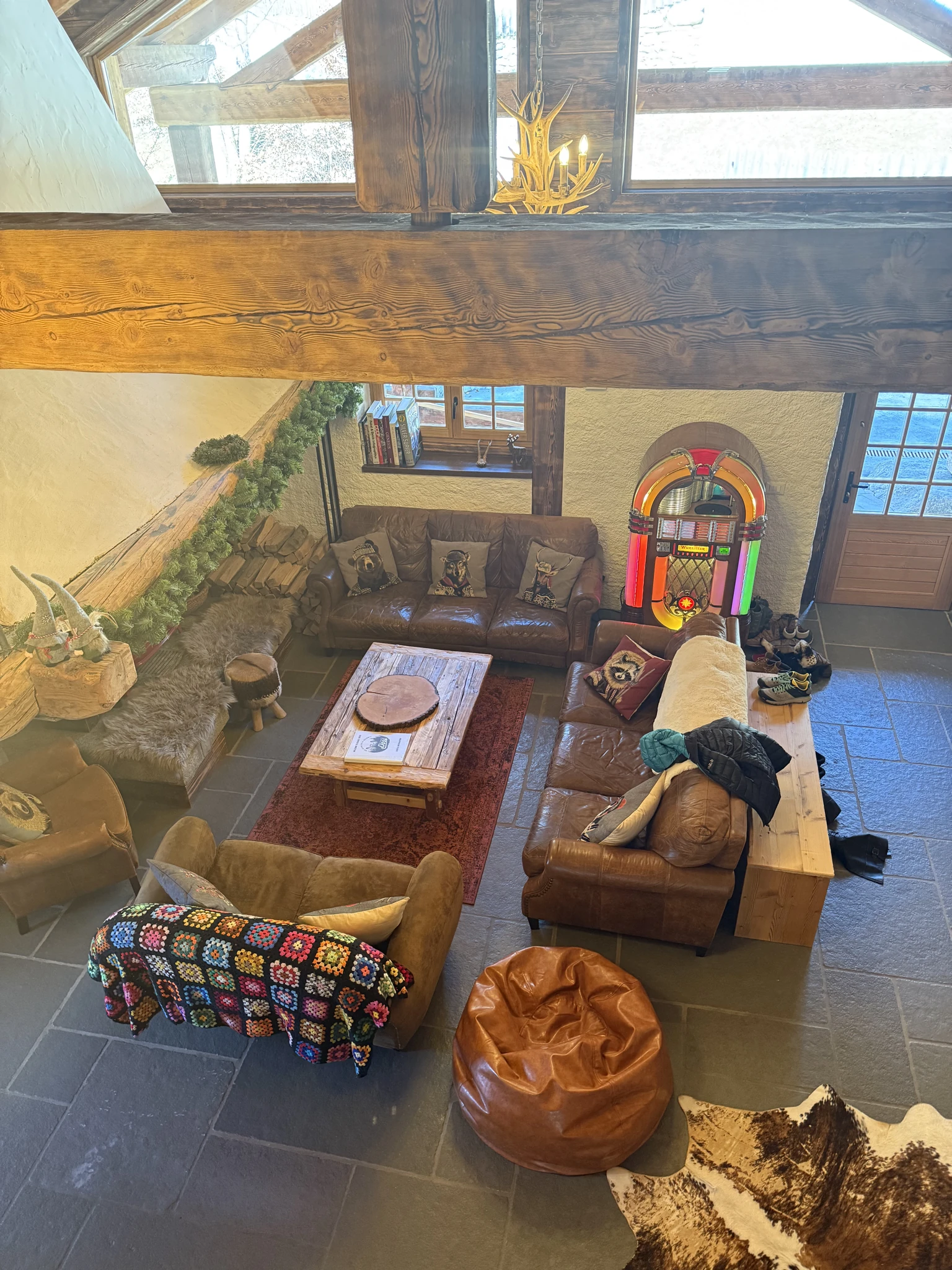
A villa is usually about ownership of your space, even when you are only there for a few nights. You may have several bedrooms, indoor and outdoor living areas, a kitchen, a pool, and room for everyone to settle in without feeling as though they are living out of suitcases. It is particularly compelling for families, friend groups, women-only getaways, and travelers who want their vacation to feel less scheduled.
A hotel is built around ease. There is a lobby to arrive into, a concierge to call, restaurants within steps, housekeeping that happens without discussion, and a team accustomed to handling requests quickly. For couples on a short escape, solo travelers who value security and connection, or anyone who does not want to think about groceries, reservations, or logistics, that infrastructure can be the real luxury.
Neither format automatically delivers a better trip. A magnificent villa that is 35 minutes from the beach club, restaurants, and town may feel isolated for travelers who want to explore daily. A suite at a large resort may feel less private than a villa, but it can provide a polished, effortless stay that lets every guest relax immediately.
When a Private Villa Is Worth It
The strongest reason to choose a villa is the freedom to be together without being on top of one another. Parents can put children to bed in separate rooms while adults linger over dinner on the terrace. Grandparents can rest in air-conditioned comfort while others head out on an excursion. Friends can have a proper living room for a slow morning rather than gathering in one hotel room.
Villas also create a more personal pace. Breakfast can happen whenever everyone wakes up. A private chef can build a menu around allergies, favorite dishes, or a celebration. A pool day does not require claiming lounge chairs or coordinating around a resort schedule. In destinations with a strong food culture, a villa can make local market visits and chef-led meals part of the experience rather than an afterthought.
Privacy matters for more than celebrity-level discretion. It can mean a honeymoon without neighboring balconies, a family vacation where children can be loud without worry, or simply the ability to wear no watch for a week. Travelers who spend demanding days at home often value this kind of unstructured comfort more than a long amenity list.
The trade-off is that villas require a closer look at what is included. Some offer daily housekeeping, a house manager, chef service, a driver, and concierge planning. Others are beautiful homes with little more than a key exchange. A lower nightly rate can become less attractive once you add chef provisions, service fees, transportation, staffing, and dining costs.
Location also deserves scrutiny. A hillside villa may have remarkable views but steep roads and limited walkability. A beachfront home may be ideal for children but farther from museums, nightlife, or medical facilities. This is where a tailored recommendation matters: the villa must fit the actual travelers, not just look exceptional in photographs.
The Villa Is Best for Groups and Longer Stays
As a general rule, villas become more appealing as the guest count and length of stay increase. A five-bedroom home shared by five couples can compare very favorably with five premium hotel rooms, particularly when everyone values a shared pool, kitchen, and private gathering space.
For a two-night city break, the equation often changes. Checking in, orienting yourself to the home, stocking the kitchen, and organizing service can consume valuable vacation time. A hotel may be the more elegant choice because it gives you immediate access to the destination from the moment you arrive.
When a Luxury Hotel Delivers More
Hotels shine when service is part of the reason you travel. The pleasure of a great resort is not limited to a beautiful room. It is the pool attendant who remembers your preferred shade, the concierge who secures a difficult dinner reservation, the spa team ready when you are, and the thoughtful turn-down service after a full day of sightseeing.
A hotel also makes a destination feel more accessible. In a walkable city, you can leave the lobby and be at a gallery, restaurant, or historic site within minutes. At a beach resort, the water sports desk, kids club, fitness studio, and multiple dining options are already in place. There is no need to arrange every component separately.
For solo travelers, hotel environments can offer valuable reassurance. There are staffed entrances, knowledgeable local teams, reliable transportation support, and the comfort of knowing someone is available when plans shift. For an active trip, hotels can also simplify early departures, gear storage, packed breakfasts, and recovery time at the spa.
The possible downside is that even excellent hotels operate on a shared rhythm. Pools, restaurants, and beach areas may be busy at peak times. Rooms can feel compact compared with a residence. Families may need connecting rooms, and larger groups can find themselves spread across different floors. The best properties manage these limitations beautifully, but they cannot replicate the total privacy of a private home.
Hotels Are Often Better for Short, High-Value Time Away
If you have three nights in Paris, four nights in Cabo, or one precious long weekend between demanding schedules, a hotel usually protects your time. Arrival is simple, dining is available, and a capable team can absorb small problems before they become your problem.
Hotel stays can also offer more tangible value than travelers expect. Preferred partner bookings may include daily breakfast, property credits, priority for upgrades when available, and special recognition while still preserving eligible loyalty benefits. Those details are especially meaningful on a shorter stay, when a breakfast credit, late checkout, or room upgrade can noticeably improve every day of the trip.
The Service Question Changes Everything
The most useful comparison is not villa versus hotel in the abstract. It is staffed villa versus full-service hotel. A villa with a dedicated manager, daily housekeeping, private chef, driver, and on-call concierge can feel every bit as elevated as a luxury resort, often with more discretion. It may also be considerably more expensive once the full service model is priced correctly.
Conversely, a hotel suite with a separate living room, club-level access, and a trusted concierge can give a family much of the comfort they seek without the operational complexity of a home. A hotel can be the smarter answer when guests have different arrival times, when someone wants independent plans each day, or when the destination has many compelling restaurants to try.
Ask yourself whether you want staff to be nearly invisible or readily available. In a villa, service is usually designed around your group alone. In a hotel, support is immediate but shared among guests. Some travelers find a private chef and house team wonderfully indulgent; others prefer the anonymity of choosing a restaurant and returning to a freshly prepared suite.
Budget Beyond the Nightly Rate
Comparing prices requires more than placing a villa's total nightly rate beside one hotel room. For a fair view, compare the villa against the number and category of hotel rooms your group would actually book. Then account for breakfasts, private transfers, groceries, staff gratuities, resort fees, dining, activities, and the practical cost of traveling between the property and the places you want to go.
A villa can bring excellent value when it replaces several hotel rooms and allows the group to enjoy meals at home. A hotel can bring excellent value when its included breakfast, resort credit, loyalty recognition, and on-site amenities reduce the need for separate spending. The right answer may even be both: a few nights at a city hotel followed by a private coastal villa, or a villa stay capped with two easy nights at a resort before flying home.
Choose the Stay That Removes Friction
The best accommodation should make your particular trip feel lighter. If your dream is barefoot breakfasts, long pool afternoons, and everyone gathered around one table, choose the villa that comes with the right level of staffing and location. If your dream is arriving, exhaling, and having every detail handled without a second thought, choose the hotel with service strong enough to support it.
At Lucy Trails Atelier, that decision begins with the details that do not fit neatly into a booking filter: who needs quiet, who wants adventure, whether the grandparents need easy access, how much privacy feels right, and what happens if a flight changes. You send me a single text, and you have a human advocate who understands the full itinerary.
Choose the setting that gives you more time to be present with the people you traveled to see. That is the kind of luxury worth planning around.