When to Book Antarctica Expedition Cruises
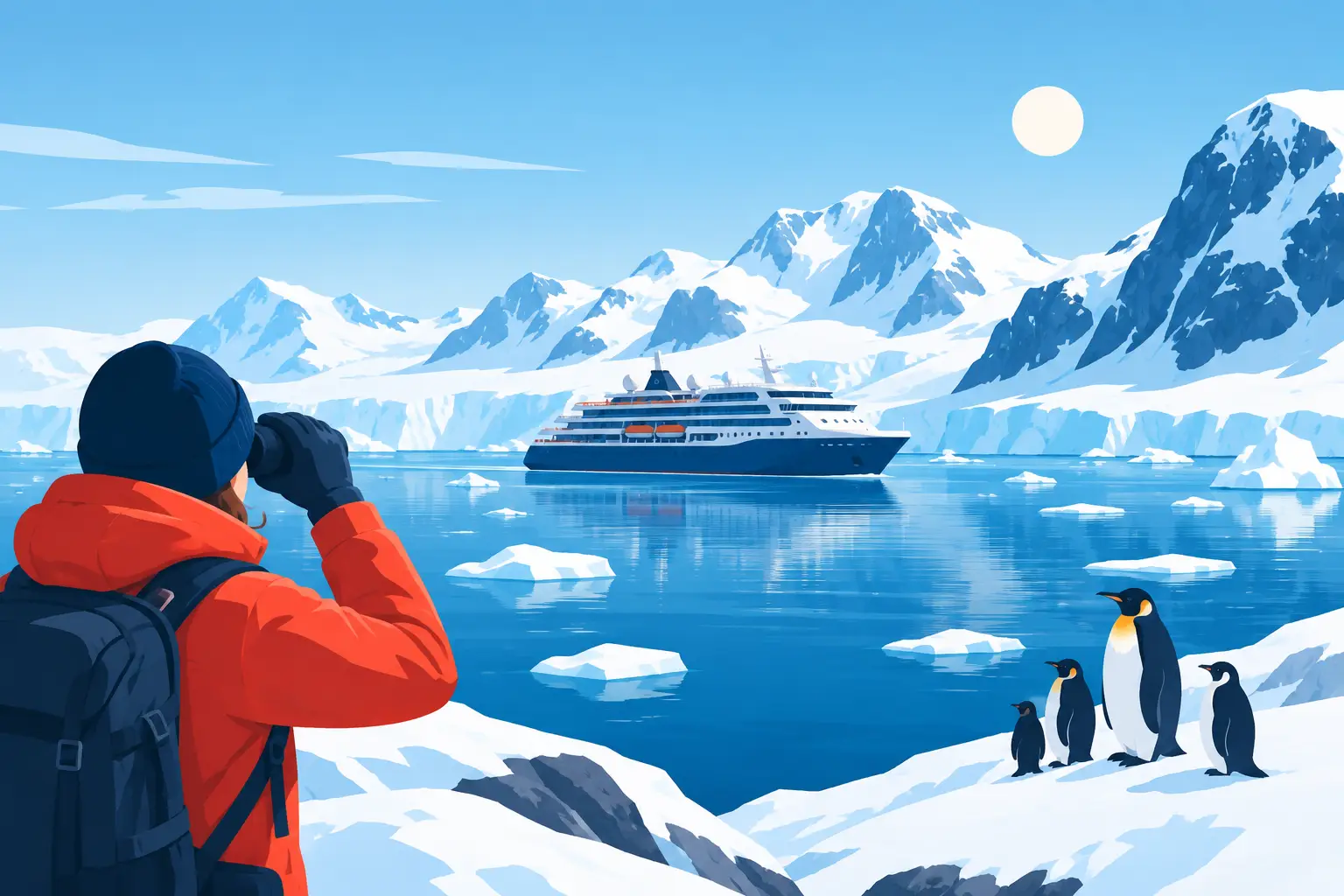
The first time you step into a Zodiac and see an iceberg glowing blue at water level, the question will not be whether Antarctica was worth the effort. It will be whether you gave yourself enough time to do it well. To book Antarctica expedition cruises is to make a series of meaningful decisions long before you reach Ushuaia: how much wilderness you want, what level of comfort matters to you, and how protected you want to feel if weather rearranges the plan.
Antarctica is not a cruise destination in the traditional sense. There are no fixed port calls to count on, no beach day to recreate later, and no benefit to choosing solely by the lowest published fare. This is a highly regulated, weather-led journey where the right expedition team, ship design, cabin location, and travel protection can shape the entire experience.
When to Book Antarctica Expedition Cruises
For the most sought-after departures, begin planning 12 to 18 months ahead. This is especially wise for holiday season sailings, peak wildlife dates, suites, solo cabins, and family-friendly holiday departures. Antarctica’s operating season generally runs from November through March, and each portion offers a different reason to go.
November feels fresh, dramatic, and raw. The ice is often at its most sculptural, penguins are beginning courtship and nesting, and the landscape can feel exceptionally pristine. December and January bring long daylight hours, energetic colonies, and excellent conditions for first-time visitors who want a classic Antarctic experience. February is particularly rewarding for whale sightings and active penguin chicks, while March can offer moodier light, fewer visitors, and more mature wildlife encounters.
Last-minute availability does exist, but it is rarely the most elegant way to travel. You may find a compelling cabin rate, yet flights to southern South America, preferred hotels, and the cabin category you actually want can become difficult or expensive. For travelers balancing school calendars, milestone celebrations, or an international flight itinerary, early planning gives you more choice and far less compromise.
Choose the Expedition Style Before the Ship
A luxury Antarctic journey is not defined by marble alone. It is defined by the quality of the expedition staff, the number of guests sharing each landing, the safety standards behind each Zodiac operation, and the ease with which the ship turns weather changes into worthwhile alternatives.
Smaller expedition vessels can offer an intimate atmosphere and more nimble operations. In many cases, fewer guests means less waiting for landings and a stronger sense of camaraderie with guides and fellow travelers. The trade-off is that smaller ships may have fewer dining venues, fewer cabin categories, and limited spa or wellness facilities.
Larger, purpose-built expedition ships often deliver more space, multiple restaurants, polished lounges, generous suites, fitness and wellness areas, and a wider range of onboard programming. They can be a wonderful fit for multigenerational groups, travelers who value a more substantial shipboard experience, or guests who want a larger team of naturalists and specialists. Still, size can affect landing logistics, so it is worth understanding exactly how the operator manages guest rotations.
Ask what is included beyond the cruise fare. Some voyages include guided shore landings, lectures, parkas, boots, charter flights, and even select pre- or post-cruise hotel nights. Others price those elements separately. A higher initial fare may represent better value once you compare air arrangements, transfers, gear, gratuities, drinks, specialty activities, and the caliber of the expedition program.
Match the Itinerary to Your Appetite for Adventure
The Antarctic Peninsula is the natural starting point for most first-time travelers. It delivers enormous visual impact in a relatively efficient itinerary: towering ice, penguin colonies, seals, whales, and frequent opportunities to go ashore. Most departures sail from Ushuaia, Argentina, after crossing the Drake Passage.
The Drake is part of the story, but it deserves an honest conversation. It can be calm, it can be exhilarating, and it can be very uncomfortable. Travelers concerned about motion sickness, tight schedules, or spending four days of a voyage in open water may prefer a fly-cruise option. These itineraries typically fly between Punta Arenas, Chile, and Antarctica, joining the ship near the Peninsula. They save time and avoid the Drake crossing, though flights remain weather dependent and luggage restrictions can be tighter.
South Georgia and the Falkland Islands add another dimension for travelers with more time and a profound interest in wildlife. Think vast king penguin colonies, historic sites, and remote landscapes that feel even more removed from the familiar world. These longer voyages are extraordinary, but they require patience with sea days and a willingness to let conditions lead.
For the rare traveler who wants the deepest polar commitment, voyages to the Ross Sea or routes that include East Antarctica can be transformational. They are also logistically complex, longer, and often significantly more expensive. This is where an expert conversation is more useful than a quick comparison chart.
Select a Cabin for Comfort, Not Just Square Footage
Your cabin is your refuge between landings, lectures, and meals. On a polar voyage, its placement matters. Midship cabins on lower decks generally feel the most stable in rough water. A balcony can be lovely for photographing passing ice and watching wildlife without leaving your room, but it should not outweigh comfort if you are prone to motion sickness.
Consider your daily rhythm, too. A larger suite may be worthwhile on a longer itinerary or for travelers who appreciate quiet space, room service, and a separate sitting area. For active guests who plan to spend nearly every waking hour on deck or ashore, a well-designed standard cabin can be the smarter allocation of budget.
Do not assume every cabin has the same access to amenities, embarkation points, or views. Some cabins are near public lounges or crew work areas; others may have obstructed windows. Reviewing the actual deck plan is a small step that can prevent an avoidable disappointment.
Plan for the Journey Around the Journey
Antarctica asks for breathing room. Arrive in your embarkation city at least one night early, and ideally two if international flights are involved. Ushuaia is enchanting in its own right, and a buffer allows time to recover from long flights, adjust to the climate, and handle delayed luggage without panic.
The same principle applies after the cruise. Do not schedule an irreplaceable connection on disembarkation day. Ships can arrive late, weather can affect flight operations, and baggage or transfer delays happen. A well-built itinerary may pair Antarctica with Buenos Aires, Patagonia, Chilean wine country, or a restorative stay in Santiago, but the pacing should protect the polar voyage rather than crowd it.
Travel insurance and evacuation coverage deserve careful attention. Antarctica is remote, and medical care at sea is necessarily limited. Look beyond cancellation benefits to understand medical limits, evacuation terms, pre-existing condition rules, and coverage for weather-related interruption. The right policy is not glamorous, but it is one of the most valuable pieces of the itinerary.
The Value of an Advisor in a Weather-Led Destination
A polished booking is more than selecting a departure date and pressing purchase. It means coordinating international air, pre-cruise hotels, airport transfers, charter-flight requirements, dining preferences, accessibility needs, insurance timing, and post-cruise plans as one connected experience.
It also means having a human advocate when an airline schedule shifts or weather changes a connection. Instead of holding a phone and searching for alternatives from an airport gate, you send me a single text. That is your ultimate safety net when a journey involves several countries, small regional airports, and a ship that will not wait for a delayed flight.
Through Lucy Trails Atelier, your expedition can be designed around your travel style, whether that means a quiet suite and a fly-cruise, a family celebration with Patagonia added before embarkation, or a longer wildlife-focused route. Where supplier programs apply, clients receive direct rate matching and supplier-funded VIP benefits, including daily breakfast, resort credits, room upgrades if available, and priority status for the hotels surrounding the voyage. The goal is not simply to secure a cabin, but to make every transition before and after it feel considered.
Antarctica rewards travelers who leave room for surprise. Choose the ship and season that fit you, build in generous buffers, and let the itinerary stay flexible enough for the moment when a pod of whales changes the entire afternoon.
Ready to Find Your Antarctica Expedition?
From intimate expedition ships to luxury voyages and fly-cruise options, the right choice depends on how you want to experience Antarctica. I can help you compare ships, routes, seasons and cabin options — and coordinate the journey around your cruise.
Plan Your Antarctica Expedition