Why the Slow Travel Trend 2026 Feels Luxurious
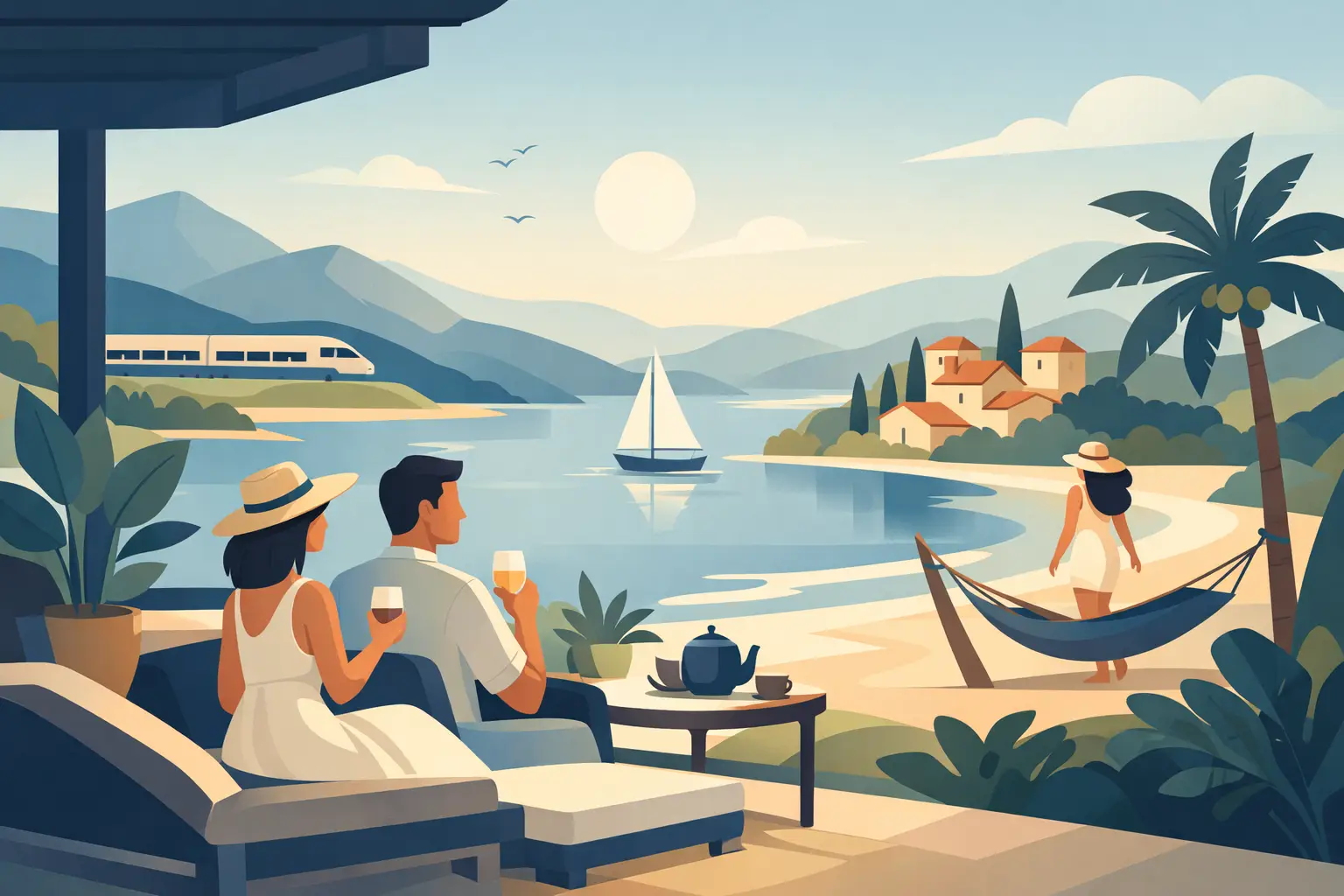
A perfect trip is not the one with the most pins on a map. It is the one where you have time for a second espresso at the café you found by accident, an unhurried afternoon by the water, and a dinner reservation that does not compete with tomorrow morning’s 5 a.m. flight. The slow travel trend 2026 is bringing that kind of spaciousness back into luxury travel.
For travelers who can afford to travel well, the appeal is not doing less for the sake of it. It is choosing better. Fewer hotel check-ins, fewer rushed transfers, and more time in places that reward attention create a journey that feels personal instead of performed. The real luxury is no longer an overfilled itinerary. It is the freedom to settle in.
The Slow Travel Trend 2026 Is About Better Time
Slow travel is sometimes confused with low-cost backpacking or taking the longest route available. It can include trains, road trips, and small-ship sailings, but the defining feature is not transportation. It is intention.
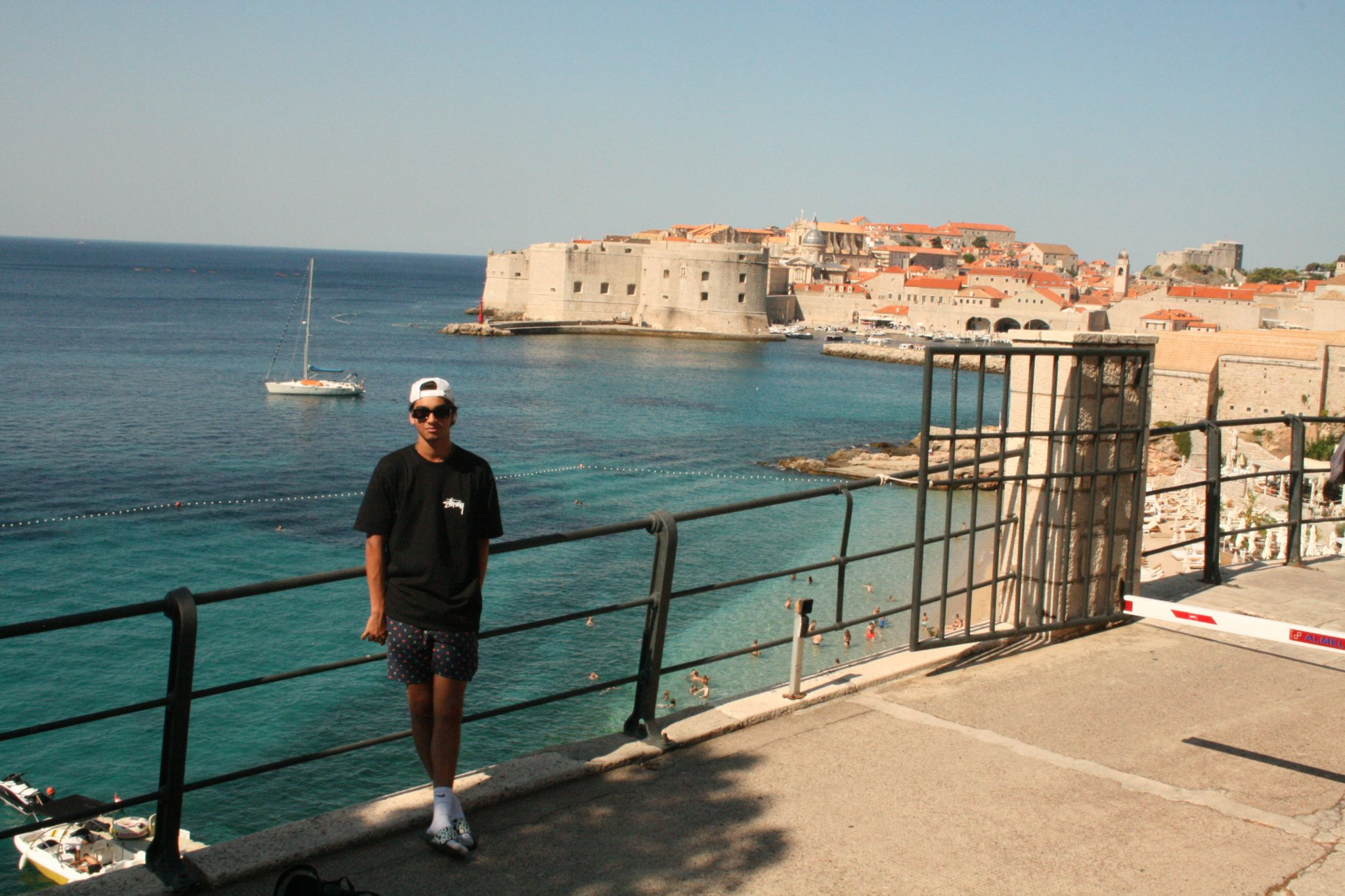
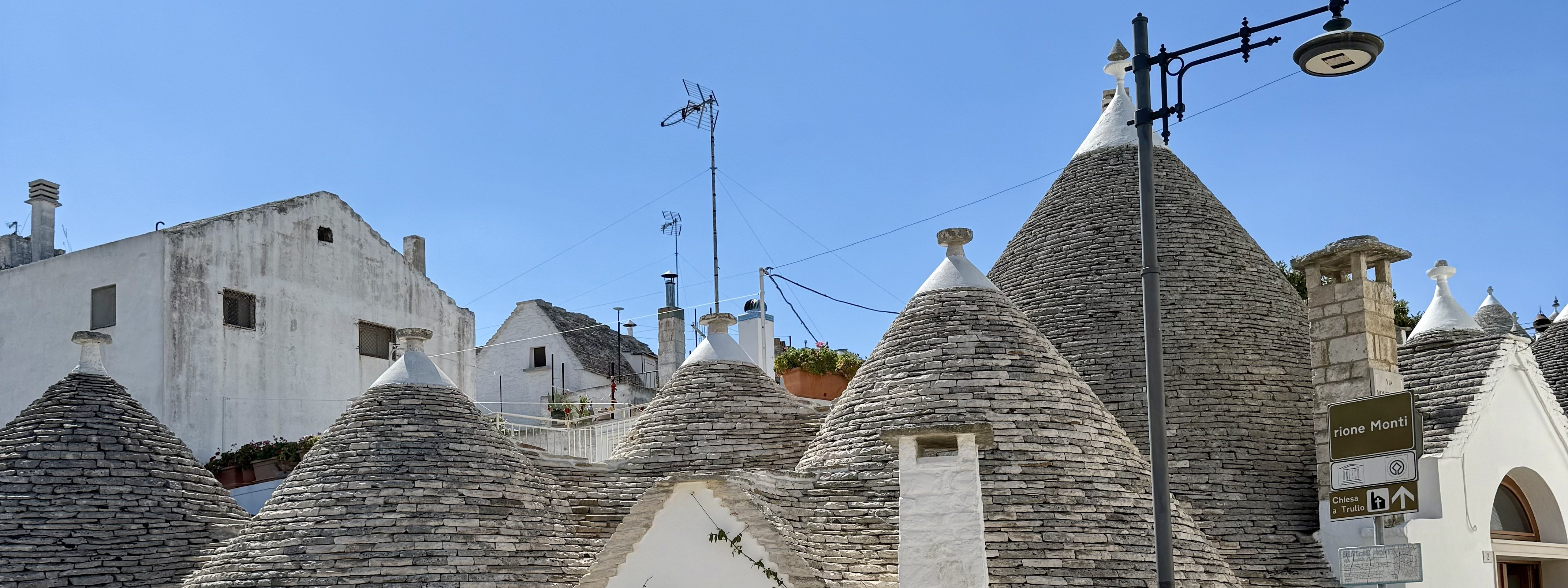
A slow itinerary gives each destination enough room to become familiar. You might spend five nights in one coastal village rather than changing hotels every other day, or pair a three-night city stay with a week in the countryside instead of trying to cover an entire country in eight days. You travel with a sense of place, not a checklist.
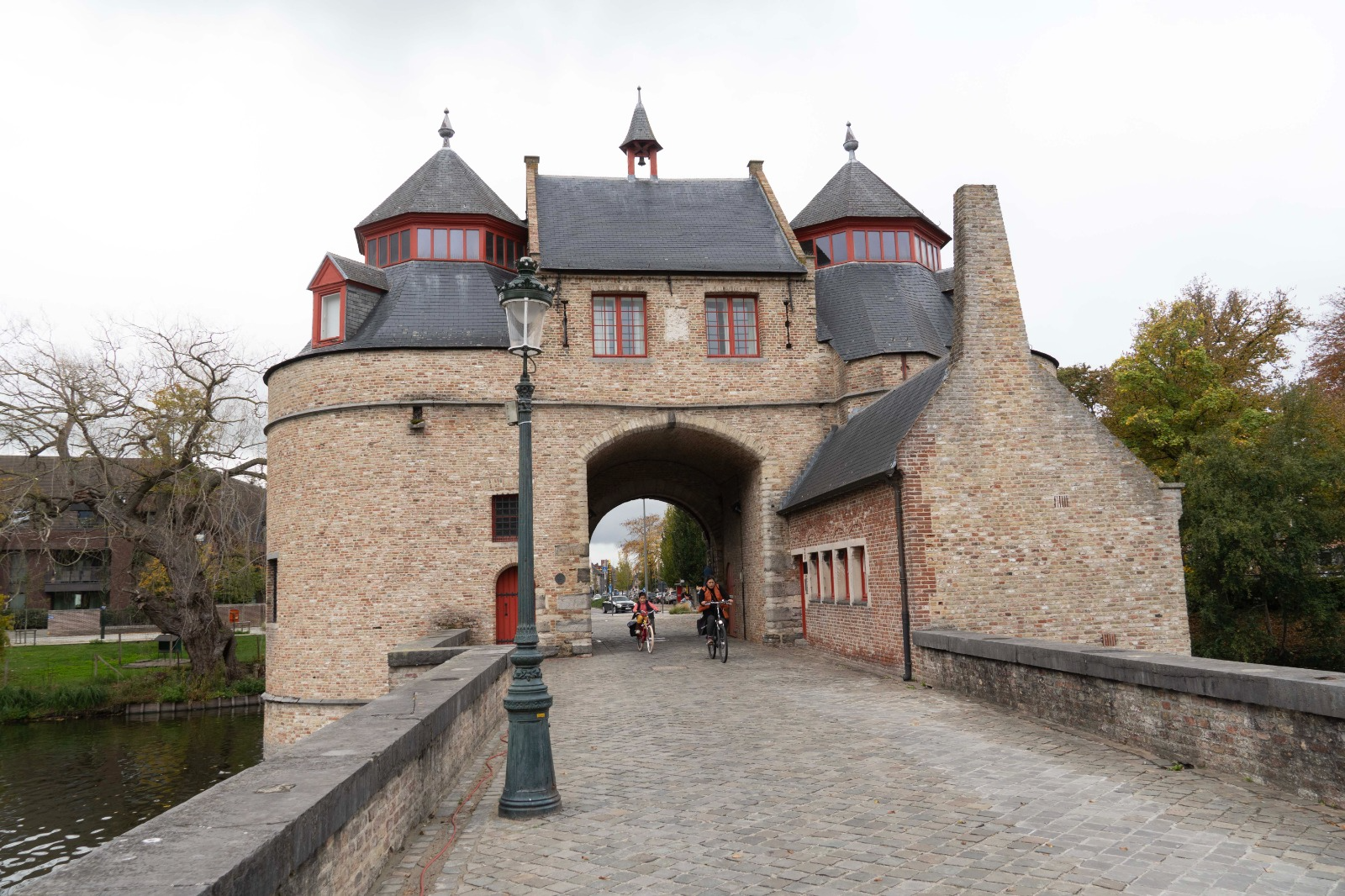
This shift makes particular sense after years of revenge travel and packed bucket-list itineraries. Many travelers have learned that seeing a landmark for an hour between flights is not the same as experiencing a destination. They want to recognize the waiter at breakfast, know which neighborhood bakery they prefer, and have the flexibility to say yes when a local guide suggests an unscheduled detour.
Slow travel also supports a more polished travel experience. A private driver can make a scenic transfer part of the day rather than a logistical hurdle. A guided market visit can turn into a cooking lesson and a long lunch. A cruise itinerary with fewer ports may offer longer days ashore, so you return to the ship refreshed rather than exhausted.
Why Fewer Stops Can Deliver More Luxury
Every hotel change comes with an invisible cost: packing, checking out, waiting for luggage, navigating a new property, and spending precious hours getting oriented. For a couple celebrating an anniversary, a family traveling with young children, or a multigenerational group, those transitions add up quickly.
Staying longer creates opportunities that cannot be scheduled in advance. You may use the spa because your schedule finally allows it. You may linger at the pool after lunch rather than racing toward an attraction. You may decide that the museum can wait because the view from your terrace is exactly where you want to be.
There is also a practical advantage. Longer stays often make room categories, early arrival requests, and thoughtful on-property planning easier to manage. A well-matched hotel becomes a genuine home base, not simply a place to sleep between activities. That distinction matters when the goal is restoration as much as discovery.
For honeymooners, slow travel may mean combining a few nights in a vibrant capital with a full week at a beach resort. For families, it can mean choosing one exceptional villa or resort and adding only a few well-timed excursions. For solo travelers, it may mean a centrally located hotel, private airport service, and just enough structure to feel secure while leaving space for independent exploration.
The Best Slow Journeys Still Need Good Logistics
A relaxed trip is not an unplanned trip. In fact, the more valuable your time is, the more worthwhile it becomes to plan the behind-the-scenes details carefully.
The best slow travel itineraries protect your open time by arranging the essentials before departure: flights with sensible connection times, reliable private transfers, restaurants that fit your preferences, and experiences that can be moved if the weather changes. There is a major difference between leaving an afternoon unscheduled because you want freedom and leaving it unscheduled because no one has thought through the options.
A thoughtful pace also requires an honest conversation about distances. Tuscany may look compact on a map, but a hill-town drive can take longer than expected. A Greek island itinerary may sound effortless until ferry schedules, luggage handling, and seasonal wind conditions enter the picture. Japan rewards rail travel beautifully, but even the most efficient train system deserves breathing room when you are traveling with family or several bags.
This is where travel advice becomes your ultimate safety net. If a connection is missed, weather changes the plan, or a transfer needs to be revised, you should not be spending your vacation on hold with an airline or sorting through unfamiliar local options. You send me a single text, and someone who understands your itinerary can start solving the problem.
Slow Travel Trend 2026: Choose a Rhythm That Fits You
There is no universal formula for slow travel. Some travelers will love seven nights in one romantic resort town. Others will prefer a gradual route through two or three destinations connected by rail or private car. The right pace depends on the purpose of the trip, the season, and who is traveling.
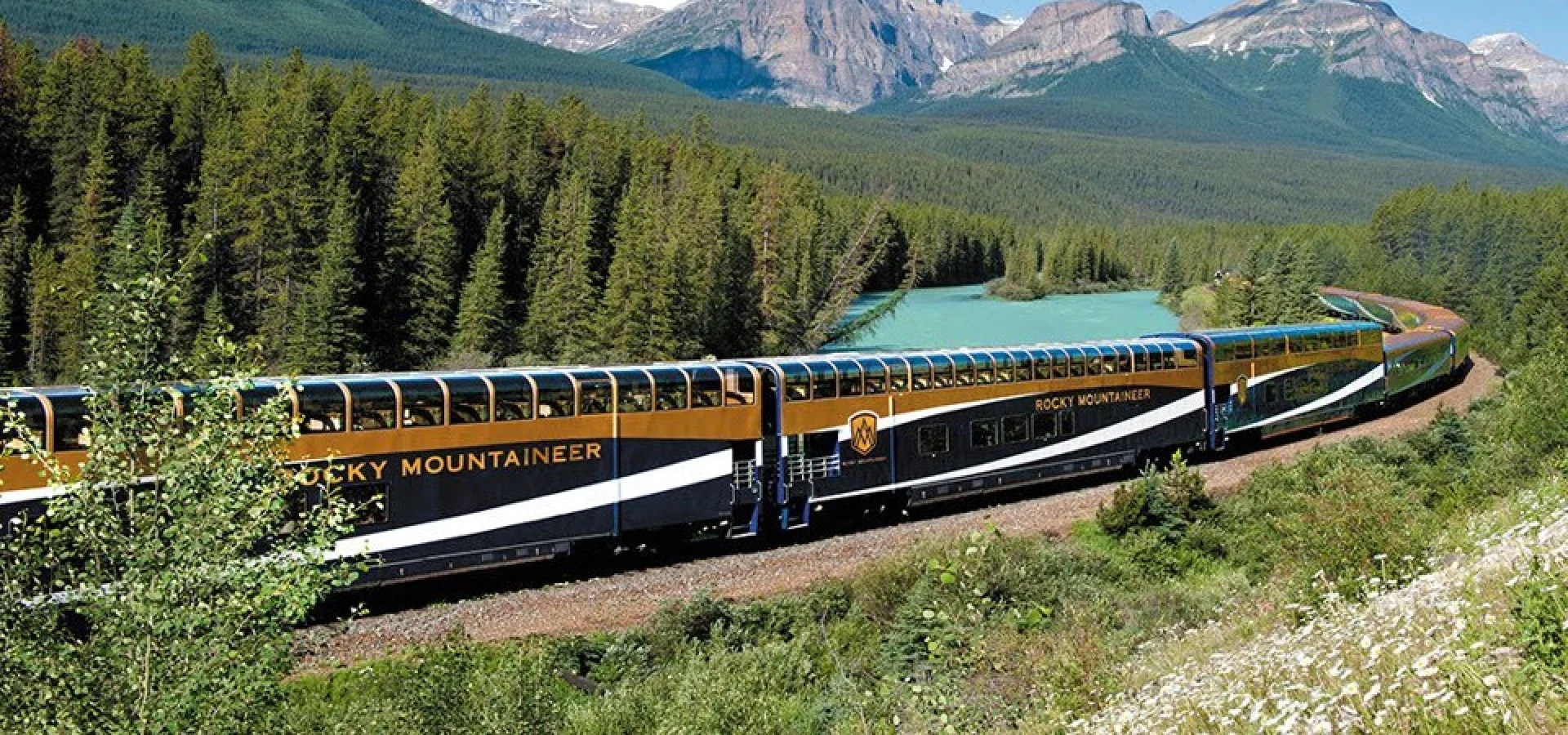
A first trip to Italy might balance Rome, Florence, and the Tuscan countryside, with enough nights in each place to avoid a constant cycle of arrivals and departures. A Caribbean escape may be even simpler: select a resort with an excellent beach, strong dining, and enough activities for the whole group, then let the days unfold naturally. A river cruise can be ideal for travelers who want to see several places without unpacking repeatedly, while a scenic rail journey adds the pleasure of the route itself.
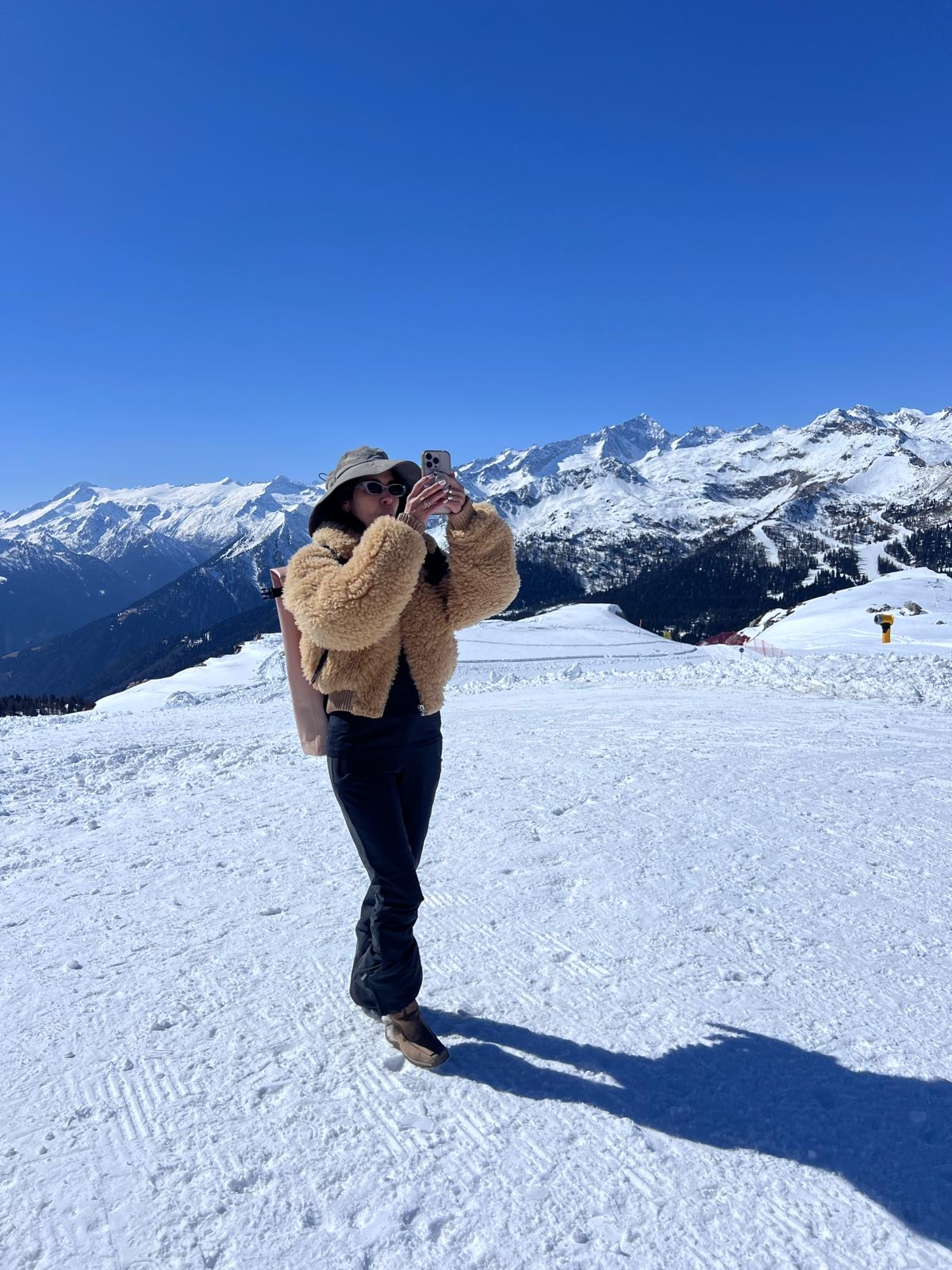
Active travelers need a slightly different version of slow. A hiking or cycling itinerary should include recovery days, leisurely lunches, and accommodations that feel restorative after time outdoors. The most memorable adventure trips are not necessarily the ones with the highest mileage. They are the ones with well-chosen trails, beautiful landscapes, and the comfort to enjoy the achievement afterward.
For women-only trips and wellness-focused escapes, a slower rhythm creates the conditions for genuine connection. A program can include yoga, a private boat outing, a vineyard lunch, or a guided walk, without turning every day into a production schedule. Space is often what allows a group to relax into the experience.
What Slow Travel Does Not Mean
Traveling slowly does not mean declining every special experience or avoiding a marquee destination. It means giving those experiences the time and context they deserve.
You can still book the private museum visit, reserve the sought-after table, charter the boat, or take the panoramic train. The difference is that these moments are arranged as highlights within a comfortable rhythm, not piled on top of one another. Luxury should feel effortless, not like a race against your own calendar.
It also does not mean ignoring budget. In some cases, longer stays in fewer places can reduce transfer costs and make a higher-value hotel experience possible. In other cases, staying longer at a premier property increases the overall investment. The answer depends on what matters most to you: suite space, dining, privacy, location, access to nature, or the ability to explore widely.
A tailored approach can clarify those trade-offs before you commit. Lucy Trails Atelier designs journeys around the way you actually want to travel, while bringing un-googleable perks into the equation. When eligible properties are booked through the advisor, clients receive direct rate matching plus supplier-funded VIP benefits such as daily breakfast, resort credits, room upgrades when available, and priority status. That can mean more value without sacrificing the hotel, room category, or experience you had in mind.
The next time you start planning, resist the urge to add one more destination simply because it looks close on a map. Leave room for the long lunch, the spontaneous swim, and the quiet morning when the trip finally begins to feel like yours.