Africa Safari Reviews: What Smart Travelers Look For
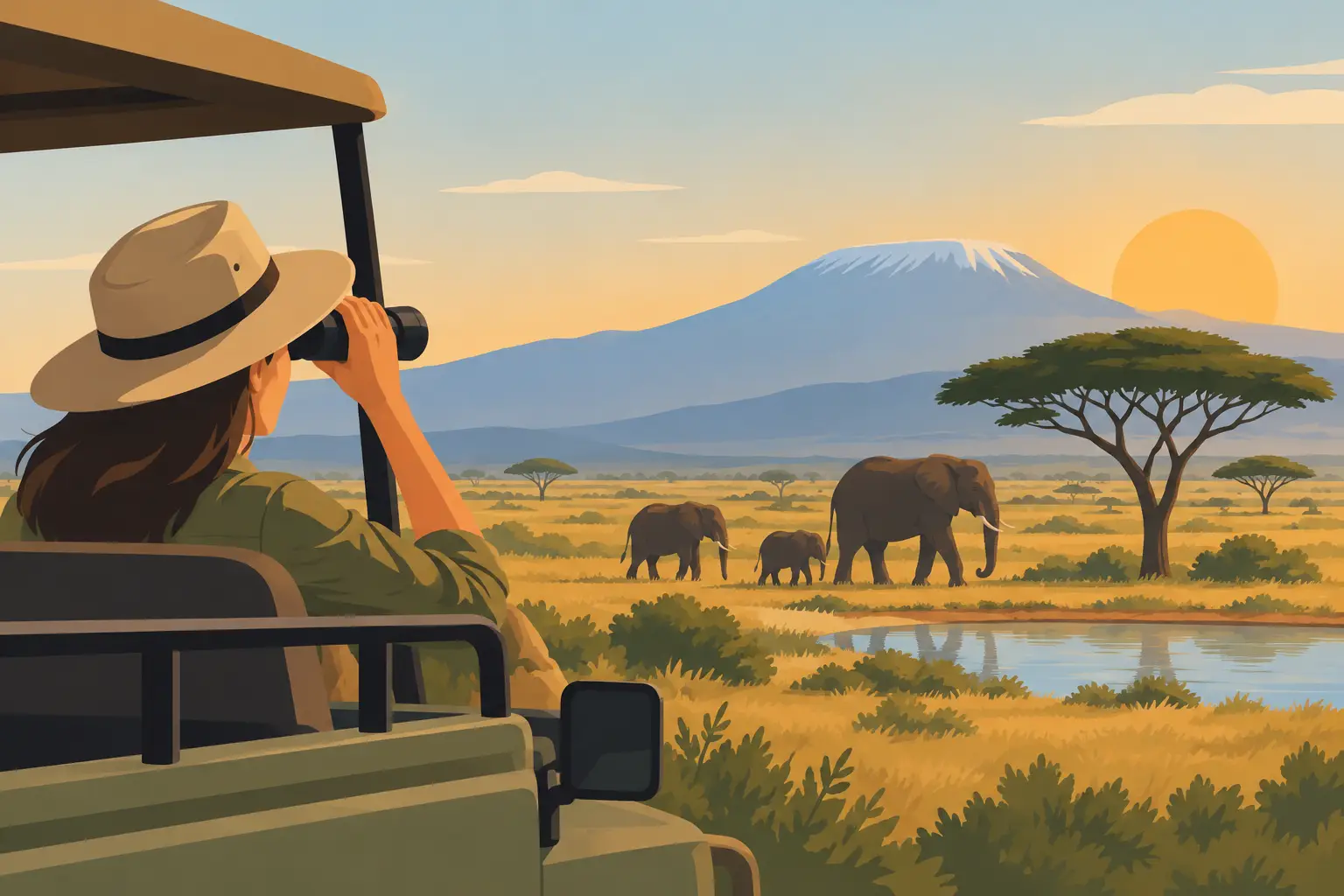
A safari review that says, “We saw the Big Five” may be exciting, but it will not tell you whether you will be comfortable after a 5:00 a.m. wake-up, how long the drives really feel, or whether the camp’s guiding style suits your family. The best Africa safari reviews answer the questions that shape the experience between wildlife sightings: sleep, service, pacing, transfers, food, privacy, and the quality of the people guiding you through it all.
For a trip with this many moving parts, reviews are valuable evidence, not a final verdict. A glowing report from a honeymooning couple can be entirely accurate and still be a poor match for travelers bringing teenagers, celebrating a milestone with parents, or hoping for serious photography. Reading with discernment helps you separate a beautiful story from useful decision-making.
How to Read Africa Safari Reviews With Context
Start by identifying the reviewer, not just the rating. Consider when they traveled, who was in their party, and what they expected from the trip. A traveler visiting during the dry season may have had dense wildlife action near water sources. Someone traveling in the green season may have experienced lush landscapes, newborn animals, fewer vehicles, and occasional rain. Neither account is more correct. They describe different versions of the same destination.
Look closely at the type of safari being reviewed, too. A private conservancy stay in Kenya, a mobile camp in Botswana, and a lodge-based South African safari offer very different rhythms. One may prioritize open-vehicle game drives with relatively easy logistics; another may include small aircraft transfers, water activities, or longer days in remote wilderness. Reviews can sound contradictory when travelers are simply reviewing different safari models.
The most useful reviews explain why something worked or did not. “The camp was too quiet” might be a warning to a social traveler, but a strong recommendation for a couple seeking solitude. “There was no air conditioning” matters differently in a tented camp designed around open-air immersion than at a polished lodge where guests expect a more traditional luxury-hotel feel.
Read Recent Reviews, Then Read Across Seasons
Recent feedback deserves priority because camps change managers, guides rotate, vehicles are refreshed, and access roads or flight schedules evolve. Still, do not read only the newest three reviews. Scan feedback across several months or seasons to see whether a concern repeats.
Patterns matter more than one-off complaints. If multiple guests mention exceptional guiding, thoughtful hosts, or beautifully managed transfers, that is meaningful. If several reviews cite inconsistent service, difficult camp maintenance, rushed game drives, or unclear communication around internal flights, those details merit a closer look.
A safari is also naturally variable. Wildlife does not perform on command, and weather can alter plans. A fair review distinguishes between disappointment with nature’s unpredictability and a supplier’s response when conditions change. The latter is where a property or operator often reveals its true standard.
What Reviews Can Tell You About a Safari Camp
Photos tell you whether a suite is beautiful. Reviews often tell you whether it is livable. Pay attention to details around temperature, noise, walking distances, lighting, insect management, water pressure, and the practical layout of tents or rooms. These small realities affect comfort more than a dramatic infinity pool in a marketing image.
Service comments are equally revealing. Look for language around staff remembering preferences, handling dietary needs gracefully, adapting schedules for jet lag, or creating a warm but unobtrusive atmosphere. Luxury on safari should feel attentive without turning the wilderness into a production.
It is also worth noticing comments about fellow guests. Some camps attract a lively international mix, while others are quieter, more private, or especially popular with families. Shared game-drive vehicles, communal dining, and camp size all influence the social energy. There is no universal “best” option - only the one that fits the trip you want to have.
Guiding Is Often the Difference Between Good and Extraordinary
An excellent guide does more than locate animals. They read tracks, explain behavior without overtalking the moment, position a vehicle respectfully, understand light for photography, and know when to sit quietly. They also set the emotional tone of each day.
When reading reviews, seek specific comments about guides rather than broad praise. Did the guide adapt to the guests’ interests? Were drives educational, patient, and well paced? Did the reviewer feel safe and cared for on walks, mokoro excursions, boating activities, or night drives? A repeated name can be encouraging, but remember that guides have days off, move between camps, and may not be guaranteed for a particular stay.
For families, ask an additional question: does the guide engage younger travelers in a genuine way? The right guide can turn animal tracks, dung beetles, and birdsong into the stories children remember long after they return home.
The Details Reviews Often Miss
Even excellent reviews can leave out the logistics that determine whether a safari feels effortless or exhausting. Internal flights may have strict luggage limits. Some camps require a light-aircraft connection followed by a game-drive transfer. Border crossings can be simple or time-consuming depending on the route, season, and documents required. A three-night stay that looks close on a map may involve much of a travel day.
This does not make remote camps a poor choice. Often, the extra journey is precisely what protects the sense of wilderness. It simply means the itinerary should be paced accordingly. Two nights may be sufficient at an easy-to-reach property, while three or four nights can be more appropriate in a remote area where settling into the landscape is part of the value.
Reviews also rarely explain the trade-offs behind wildlife density. Areas known for frequent predator sightings can have more vehicles during peak periods. More secluded concessions may offer fewer sightings in a short window but greater privacy and the possibility of off-road viewing or night drives where permitted. The right balance depends on whether your priority is photographic opportunity, solitude, first-time safari excitement, or a deeper wilderness experience.
Watch for Language That Signals a Mismatch
Certain phrases should prompt questions rather than immediate rejection. “Too rustic,” “too expensive,” “not enough animals,” or “too much downtime” can mean very different things depending on the traveler.
If someone expected a resort and found a tented camp too immersive, that may be useful information for a traveler who wants polished air-conditioned comfort. If they disliked afternoon rest periods, that may be a nonissue for someone who appreciates a slow lunch, a swim, and time to watch elephants pass from the deck before the evening drive.
Similarly, comments about food should be read in context. Remote camps operate far from major supply chains, and menus reflect what can be sourced and prepared responsibly. The strongest operators accommodate dietary requirements with advance notice, but travelers with severe allergies or highly specific needs should confirm the practical plan before committing.
Turning Reviews Into the Right Safari Plan
A well-designed safari does not begin with the highest-rated lodge. It begins with your travel window, tolerance for travel days, desired level of privacy, interests, and overall trip length. From there, camps and regions can be selected for how they work together.
For example, a first safari may pair an accessible wildlife-rich reserve with a second, more remote camp for contrast. A honeymoon may prioritize privacy, beautiful private dining settings, and a rhythm that leaves room to simply be together. A multigenerational trip might need interconnecting accommodations, flexible activity options, and minimal transfer complexity. These distinctions are hard to capture in a five-star rating.
This is where professional planning protects both the investment and the experience. An advisor can interpret review patterns alongside firsthand supplier knowledge, seasonal conditions, aircraft schedules, camp policies, and the personalities of the travelers involved. Lucy Trails Atelier can also coordinate the pieces travelers rarely want to manage alone: international routing, regional connections, camp-to-camp transfers, pre- and post-safari stays, and support if plans shift while you are already on the road.
The goal is not to eliminate every surprise. A lion may choose to sleep in tall grass, rain may arrive during an afternoon drive, and the most unforgettable moment may be a quiet one no reviewer mentioned. Read reviews to understand the framework of the trip, then choose an itinerary with enough care and breathing room for Africa to surprise you.