Luxury Safari Camps in Africa: How to Choose the Right One.
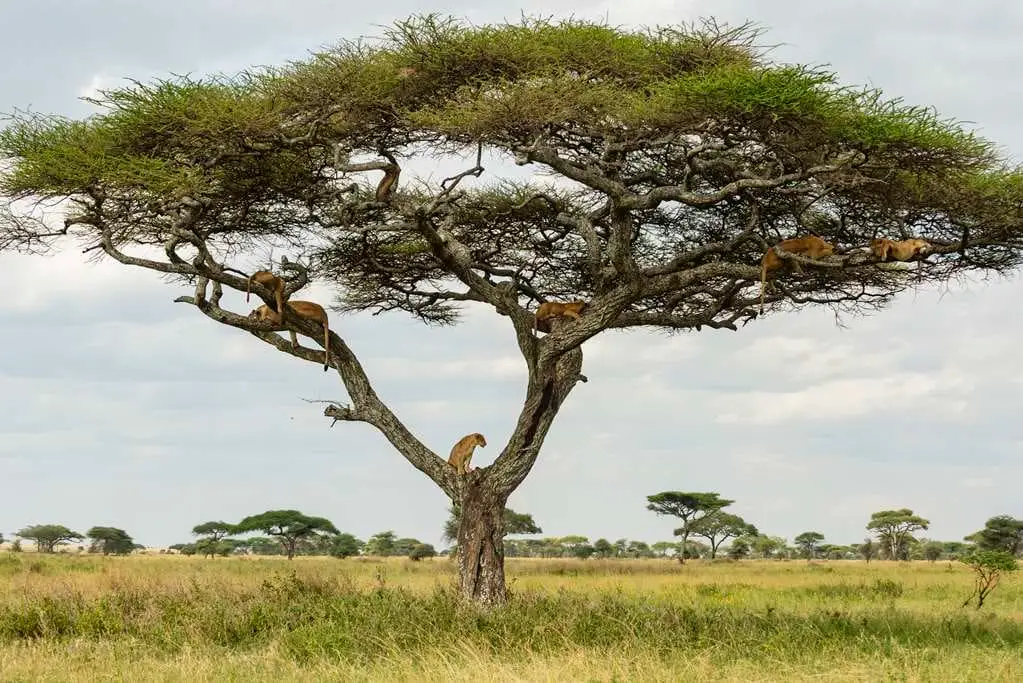
A safari can look flawless on paper: a beautiful tented suite, evening cocktails by the fire, elephants drifting past the deck. Yet the best luxury safari camps are not simply the ones with the most photogenic plunge pools or the highest nightly rates. The right camp places you in the wildlife experience you came for, at a pace and level of privacy that feels genuinely yours.
That distinction matters because a safari is a moving set of decisions. Wildlife conditions shift with the seasons, camps differ dramatically in how they guide, and a beautiful property can feel less magical if it requires too many flights, does not welcome children of a certain age, or sits in a landscape that is not right for your priorities.
A well-designed safari begins with the experience, then finds the camp that delivers it.
What Makes a Luxury Safari Camp Truly Exceptional?
The most memorable camps bring together four things: an extraordinary setting, excellent guiding, a thoughtful sense of place, and logistics that disappear into the background.
Luxury matters, of course. After a dawn game drive, a deep soaking tub, a private deck, a wonderful meal, and a comfortable bed are not minor details. But comfort should support the wilderness rather than distract from it.
Choose the Destination Before the Camp
Location is the first filter. Different African safari destinations offer very different wildlife encounters, landscapes, and styles of accommodation.
Botswana: Particularly appealing for remote wilderness, intimate camps, seasonal water safaris, and elephants. The Okavango Delta offers an extraordinary landscape shaped by seasonal floodwaters.
Tanzania: Known for the Serengeti's vast plains, big cats, the Great Migration, and Ngorongoro Crater. The right region depends on your travel dates and wildlife priorities.
South Africa: An excellent introduction to safari travel, with private reserves, exceptional lodges, and options for families and multigenerational groups. Many itineraries combine a safari with Cape Town and the Winelands.
Zambia: Particularly attractive to travelers interested in walking safaris, intimate bush camps, and a strong sense of wilderness.
Kenya: Offers outstanding wildlife viewing in the Maasai Mara, distinctive conservancy experiences, and opportunities to combine a safari with cultural experiences or a beach stay.
There is no single best country, much less a single best camp. The answer depends on whether you want big cats, elephants, birdlife, walking, photography, a romantic retreat, or a safari that works beautifully with teenagers and grandparents.
Guiding Is the Luxury You Feel All Day
Guiding is often the difference between a very good safari and one you talk about for years. The best guides read the land with patience. They know when to follow fresh tracks, when to wait quietly at a sighting, and when to leave the vehicles behind for a slower encounter on foot where permitted.
Ask how many guests share a vehicle, whether private vehicles can be arranged, and whether the camp offers specialist guides for photography, birds, walking, or conservation.
A small camp with exceptional guides may be a better fit than a larger, more lavish property where the game-drive experience feels more standardized.
The rhythm of the day matters, too. Most traditional safaris center on early morning and late afternoon drives, when wildlife is often most active. Some travelers love that structure. Others prefer a camp with more flexibility, longer private drives, or time between activities to read, swim, and absorb the landscape.
Neither approach is better. It simply shapes the kind of trip you will have.
How to Compare Safari Camps Beyond the Photographs
Online research can make every camp feel equally compelling. Beautiful light, canvas tents, and a lion in the distance are persuasive. A more useful comparison starts with the questions photographs cannot answer.
First, consider the concession or reserve rather than the room alone.
Is the camp in a private area with fewer vehicles at sightings? Are off-road driving and night drives permitted? Is the property inside a national park, where regulations may limit certain activities? These operational details can affect your days more than the style of the bar cart.
Then look at the camp's size. Intimate camps can offer a deeply personal atmosphere, while larger lodges may provide more amenities and family-friendly configurations.
A couple celebrating a milestone may value private dining and just a handful of suites. A multigenerational family may need connecting rooms, a predictable schedule, and guides who know how to keep younger travelers engaged.
Privacy also means different things in different places. Some camps feel remote because they are reached by small aircraft and sit far from other properties. Others deliver privacy through exclusive-use villas, private vehicles, or dedicated guides.
For some travelers, that remote arrival is part of the romance. For others, it adds unnecessary complexity, especially after a long international journey.
Match the Camp to the Season
A camp can be spectacular year-round while offering very different experiences by month. Green season may bring dramatic skies, newborn animals, fewer visitors, and lush landscapes. Dry months can concentrate wildlife around water sources and make sightings more predictable in certain regions.
Migration patterns, rainfall, heat, river levels, and school vacation dates all deserve a place in the conversation.
In the Serengeti, for example, the Great Migration is a year-round movement across a vast ecosystem rather than an event that happens in one fixed location. Choosing a camp solely because it advertises migration viewing can be disappointing if its location does not align with your travel dates.
This is why a fixed list of the "best" camps rarely tells the whole story.
Three Exceptional Safari Camps, Three Different Experiences
Some of Africa's most celebrated camps illustrate why a universal list of the best safari lodges can be misleading.
Wilderness Mombo, Botswana: Wildlife-Focused Wilderness
In Botswana's Okavango Delta, Wilderness Mombo is celebrated for its wildlife-rich setting and exceptional safari experience. It appeals to travelers who prioritize time in the bush, expert guiding, and an intimate camp atmosphere over an extensive list of resort amenities.
For guests drawn to the Delta's landscapes and the possibility of remarkable predator sightings, Mombo can be a compelling choice. As with any safari, sightings are never guaranteed, and the exact activities depend on the camp and local conditions.
Time + Tide Chinzombo, Zambia: Contemporary Comfort and Safari Tradition
Set along the Luangwa River near South Luangwa National Park, Time + Tide Chinzombo combines contemporary villa-style accommodations with access to one of Africa's most celebrated safari regions.
Zambia is especially attractive to travelers interested in walking safaris, although walking activities depend on conditions, regulations, and guest suitability.
Chinzombo can appeal to those who want sophisticated accommodations without losing the feeling of being immersed in the bush.
Singita Sasakwa Lodge, Tanzania: Grand Safari Elegance
Singita Sasakwa Lodge, in Tanzania's Grumeti region, offers a very different expression of safari luxury.
Its grand architectural style, expansive views, and highly refined hospitality appeal to travelers seeking an exceptional lodge experience alongside wildlife viewing.
It can be particularly appealing for milestone celebrations, couples, and travelers who appreciate privacy and a more residential sense of luxury.
These three properties are examples of distinctive safari styles, not interchangeable recommendations. The right choice depends on travel dates, budget, availability, wildlife priorities, and the overall itinerary.
What Does a Luxury Safari Camp Rate Actually Include?
One of the biggest mistakes in comparing safari camps is looking only at the nightly room rate.
Depending on the property, a safari rate may include accommodation, meals, selected beverages, shared game drives, laundry, and certain activities. Other expenses may be charged separately.
Before comparing two camps, ask whether the quoted price includes:
- Meals, beverages, and applicable dietary arrangements.
- Shared game drives and other scheduled activities.
- Private vehicles or specialist guiding, if requested.
- National park, concession, and conservation fees.
- Airport transfers and inter-camp flights.
- Laundry, gratuities, and applicable taxes.
A camp that appears more expensive at first glance may offer better overall value once its inclusions are considered. Conversely, a beautiful lodge with an attractive nightly rate may require a substantial additional budget for vehicles, park fees, and transfers.
The goal is not necessarily to spend less. It is to understand what you are paying for and whether those inclusions match the experience you want.
The Logistics Behind an Effortless Safari
The most polished safari itineraries respect your energy. International flights, regional gateways, small-aircraft transfers, baggage limits, border crossings, and early departures need to be sequenced thoughtfully.
Adding one more camp can create a richer wildlife story, but it can also turn a restorative trip into a series of packing exercises.
For many first-time travelers, two camps over seven to nine nights offer a satisfying balance. You experience different habitats without spending every other day in transit.
A third camp may be worthwhile for a longer itinerary, particularly when moving between contrasting environments or pairing a classic game-viewing region with a quieter walking-focused area.
Transfers are not merely transportation. A scenic flight over the Delta or a road transfer with wildlife along the way can become part of the experience. Still, every connection should have a purpose. The best itinerary is rarely the one with the most pins on a map.
It also pays to talk honestly about practical comforts. Some camps run on solar power, have limited Wi-Fi, or use open-sided designs that invite in the sounds of the bush.
Those qualities can be part of the appeal, but travelers should know what they are choosing. Medical needs, mobility considerations, dietary requirements, and comfort with light aircraft are all planning details worth addressing before deposits are made.
Private Luxury Safari or Organized Safari Journey?
Not every memorable African safari requires booking individual luxury camps and coordinating private transfers.
For travelers who prefer a more structured experience, a thoughtfully selected small-group or escorted safari can provide a wonderful introduction to Africa, with accommodations, transportation, guiding, and key activities arranged as part of an established itinerary.
There are several approaches worth considering.
Custom luxury safaris: Best for travelers who want carefully selected camps, private guiding, flexible pacing, and personalized arrangements. These journeys can be designed around particular wildlife interests, special celebrations, or a combination of destinations.
Small-group wildlife journeys: Ideal for travelers who enjoy exploring with others and appreciate a well-organized itinerary. Operators such as G Adventures, including its National Geographic travel collection, offer wildlife-focused African journeys.
Complete safari vacation packages: An appealing option for travelers who want several destinations arranged together. Exoticca offers African itineraries combining regions such as the Serengeti, Ngorongoro, and Zanzibar, with inclusions varying by package.
Operator-led safari tours: Platforms such as TourRadar provide access to a range of organized safari itineraries, making it possible to compare destinations, durations, travel styles, and operators.
The right choice is not always the most exclusive or expensive. A private safari may offer greater flexibility, while an organized journey may be a better match for travelers who value a defined itinerary and a more accessible overall budget.
What matters is selecting the experience intentionally, with a clear understanding of accommodation standards, group size, guiding, included activities, and transportation.
Where a Travel Advisor Adds Real Value
Safari planning is where experienced guidance can protect both the investment and the experience. Camp availability changes quickly, and a beautiful itinerary can unravel if flights and inter-camp transfers are treated as an afterthought.
A well-connected travel advisor can compare the practical differences between camps, coordinate the right sequence, communicate preferences to suppliers, and help navigate changes when weather or airline schedules interfere with the original plan.
At Lucy Trails Atelier, safari planning begins with understanding what you want to see, how you prefer to travel, and the level of comfort and privacy that matters to you.
For some travelers, that means a bespoke journey through exceptional luxury camps with private guiding. For others, it means finding a well-designed small-group safari or a complete vacation package that delivers remarkable wildlife experiences at a more approachable price point.
It may also mean adding a few restorative nights in Cape Town, the Winelands, Zanzibar, or another Indian Ocean beach destination before the journey home.
The finest safari camp is not necessarily the most famous one. It is the place where the first morning drive feels unhurried, the guide understands what catches your attention, and the details around you allow the wildness of the experience to take center stage.
Your Safari, Your Way
From intimate luxury camps and private game drives to expertly guided adventures, let's create a safari that fits your travel style.
Plan Your Safari