How to Prepare an Arctic Expedition Cruise
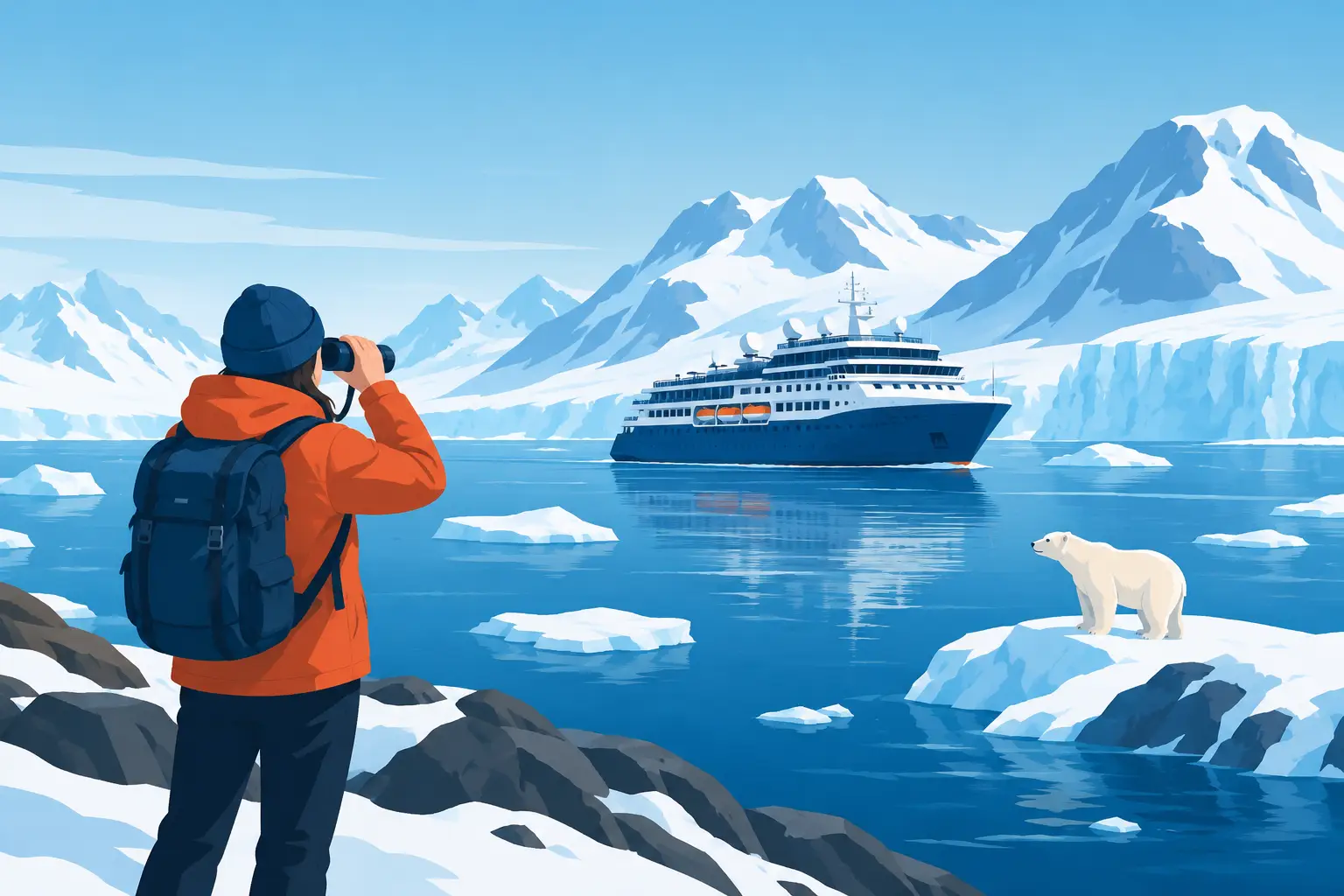
The Arctic rarely performs on cue. A polar bear may remain a distant shape on the ice, a planned landing may change with the wind, and midnight light can make time feel wonderfully irrelevant. That is precisely why travelers who prepare an Arctic expedition cruise thoughtfully tend to enjoy it more: they arrive ready for changing conditions, active days, and the rare privilege of being somewhere that does not bend to a schedule.
This is not a conventional cruise with a predictable port every morning. It is an expedition designed around weather, sea ice, wildlife, and the judgment of an experienced captain and expedition team. Comfort still matters greatly, but in the Arctic, comfort comes from selecting the right voyage and removing the small logistical worries before you leave home.
Start With the Arctic You Actually Want to See
“Arctic” covers remarkably different experiences. A Svalbard itinerary may focus on sea ice, polar bears, walrus, and dramatic glacier fronts. Greenland often combines icebergs and remote coastal communities with a strong sense of scale. The Canadian Arctic can offer Inuit cultural experiences, wildlife, and historic Northwest Passage routes, though voyages are often longer and more operationally complex.
The best route depends on what will make the journey meaningful to you. Wildlife enthusiasts may prioritize an itinerary with more time in pack ice. Travelers interested in culture may prefer a voyage with Greenlandic or Inuit community visits, while photographers may value small expedition groups, flexible landings, and time in exceptional light. No operator can promise a specific animal sighting, landing, or weather condition. A good itinerary gives you the best conditions and time to encounter the Arctic, rather than selling certainty where none exists.
Timing also changes the experience. Earlier-season departures can bring more sea ice and a sharper sense of polar winter. Later summer voyages may offer greener tundra, more accessible hiking, and different birdlife. If seeing polar bears is central to the trip, route and seasonal ice conditions deserve more attention than a generic “best month” answer.
Choose the Ship and Cabin for Your Travel Style
Expedition ships are intentionally smaller than mainstream cruise vessels, allowing them to access quieter coves, narrow fjords, and landing sites that larger ships cannot reach. Within that category, however, the onboard experience can vary considerably.
Some travelers want a refined floating retreat with spacious public areas, excellent dining, a strong lecture program, and a calmer pace between outings. Others are happiest with a more expedition-forward atmosphere, where the day begins early, gear is always drying near the mudroom, and every conversation turns to birds, ice, or the next Zodiac landing. Neither approach is better. The right choice is the one that fits your energy level and how you define luxury.
Cabin location deserves more consideration than it receives. If you are sensitive to motion, a midship cabin on a lower passenger deck is typically the most comfortable choice. A balcony can be lovely for watching bergy bits drift past with coffee in hand, but it may not be essential if you expect to spend most waking hours in observation lounges or outdoors. On routes with a potentially lively ocean crossing, such as the Drake Passage on an Antarctic voyage, cabin placement becomes even more important. In the Arctic, open-water days can still be rough, especially around Svalbard and Greenland.
Ask about the ship’s guest count, Zodiac capacity, landing procedures, and whether guests are divided into groups for excursions. These details affect how much time you spend ashore and how personal the expedition can feel. They are often more useful measures of the experience than square footage alone.
Pack for Layers, Not for an Imagined Temperature
The Arctic’s challenge is rarely just cold. It is wind, spray, damp conditions, and the stop-and-start rhythm of outdoor exploration. You may feel warm hiking uphill on a sunny tundra slope, then chilled quickly while standing still for a wildlife briefing on deck.
Start with comfortable base layers that wick moisture, followed by an insulating midlayer such as fleece or wool. Add a waterproof, windproof outer layer for landings and Zodiac rides. Many expedition operators provide an outer parka and loan waterproof boots, but inclusions vary by ship and departure. Confirm exactly what is supplied before purchasing anything specialized.
Bring warm socks, a neck gaiter, insulated gloves, and a second lighter pair for handling a camera or binoculars. A warm hat that stays secure in the wind is more useful than a fashionable one. Sunglasses are essential: low Arctic sun and reflected glare from water, snow, and ice can be surprisingly intense.
Rather than overpacking bulky sweaters, focus on pieces that work together. Indoor spaces are generally warm, and you will want clothing that is easy to adjust quickly. For evenings, the dress code is usually relaxed. Think polished casual rather than formal cruise attire.
A small waterproof day bag is useful for spare gloves, a water bottle, medications, and camera equipment during outings. If photography is a priority, bring extra batteries and keep them close to your body in cold weather. Batteries lose power faster in the cold, and a once-in-a-lifetime wildlife moment is not when you want to discover that fact.
Be Honest About Mobility and Energy
You do not need to be an elite athlete for an Arctic expedition cruise, but you should be comfortable with uneven ground, steps, and getting in and out of a Zodiac. Landings can involve wet feet, shifting shorelines, and a little patience. Some days include gentle walks; others may offer more ambitious hikes.
Before booking, look beyond phrases like “moderate activity.” Ask what a typical landing involves, how much support the team can provide, whether hiking groups are divided by pace, and what alternatives exist if you prefer a gentler outing. A traveler recovering from an injury, managing balance concerns, or traveling with limited mobility may still have a wonderful trip, but ship selection and route matter.
It is equally wise to prepare for long, exhilarating days. Breakfast may come early when conditions favor a landing, and a late-evening wildlife announcement may be worth leaving your cabin for. Build in a little rest before departure rather than arriving depleted from a frantic workweek.
Protect the Journey Before You Board
Expedition travel begins well before embarkation, often in a gateway city such as Oslo, Longyearbyen, Reykjavík, or Kangerlussuaq. Flights can be limited, weather can affect operations, and luggage delays are more inconvenient when the ship is departing for a remote region.
Arrive at least one night early when the itinerary allows, and consider two nights if international flights, seasonal schedules, or tight connections are involved. This is not unnecessary padding. It is a practical buffer that protects a significant investment and gives you time to reset before the voyage.
Keep critical items in your carry-on: medications, travel documents, a change of clothes, base layers, and any essential camera equipment. Review passport validity and entry requirements well in advance, including requirements for every transit point, not only the embarkation country.
Travel insurance deserves close attention. Standard policies are not identical, and Arctic itineraries may have specific medical evacuation, remote-region, or cancellation requirements. Read the coverage limits and exclusions rather than assuming the most familiar policy will fit. The same applies to medical needs: speak with your physician about any personal concerns, particularly if you have respiratory, cardiac, mobility, or motion-sickness considerations.
Plan for Motion Sickness Before It Becomes a Problem
Even travelers who feel fine on traditional cruises can encounter rough water in polar regions. Motion is not a sign that something has gone wrong. It is part of traveling through a landscape governed by the sea.
Discuss prevention options with your doctor before departure, especially if you are considering prescription medication. Bring more than one strategy that works for you, whether that is medication, acupressure bands, ginger, or time on deck looking at the horizon. Once nausea begins, it can be harder to manage. Choosing a midship cabin, staying hydrated, and avoiding an overly heavy first meal can help as well.
Let the Itinerary Stay Flexible
The most prepared Arctic traveler holds two ideas at once: the trip is carefully planned, and the day may change entirely. A landing can be rerouted because of ice. A whale sighting can transform an afternoon. A skilled expedition leader may decide that the best use of time is simply to drift quietly near a glacier and watch the light evolve.
That flexibility is not a compromise in the experience. It is the experience. The value of a well-designed expedition is the expertise behind those decisions, along with the ability to respond safely and intelligently when nature offers something better than the printed schedule.
Preparing well leaves you free to be present when the Arctic does what it does best: surprises you. Give yourself the right ship, sensible layers, protected flight connections, and room for the unexpected, then let the landscape set the pace.