Luxury Scenic Rail Vacations Worth Planning
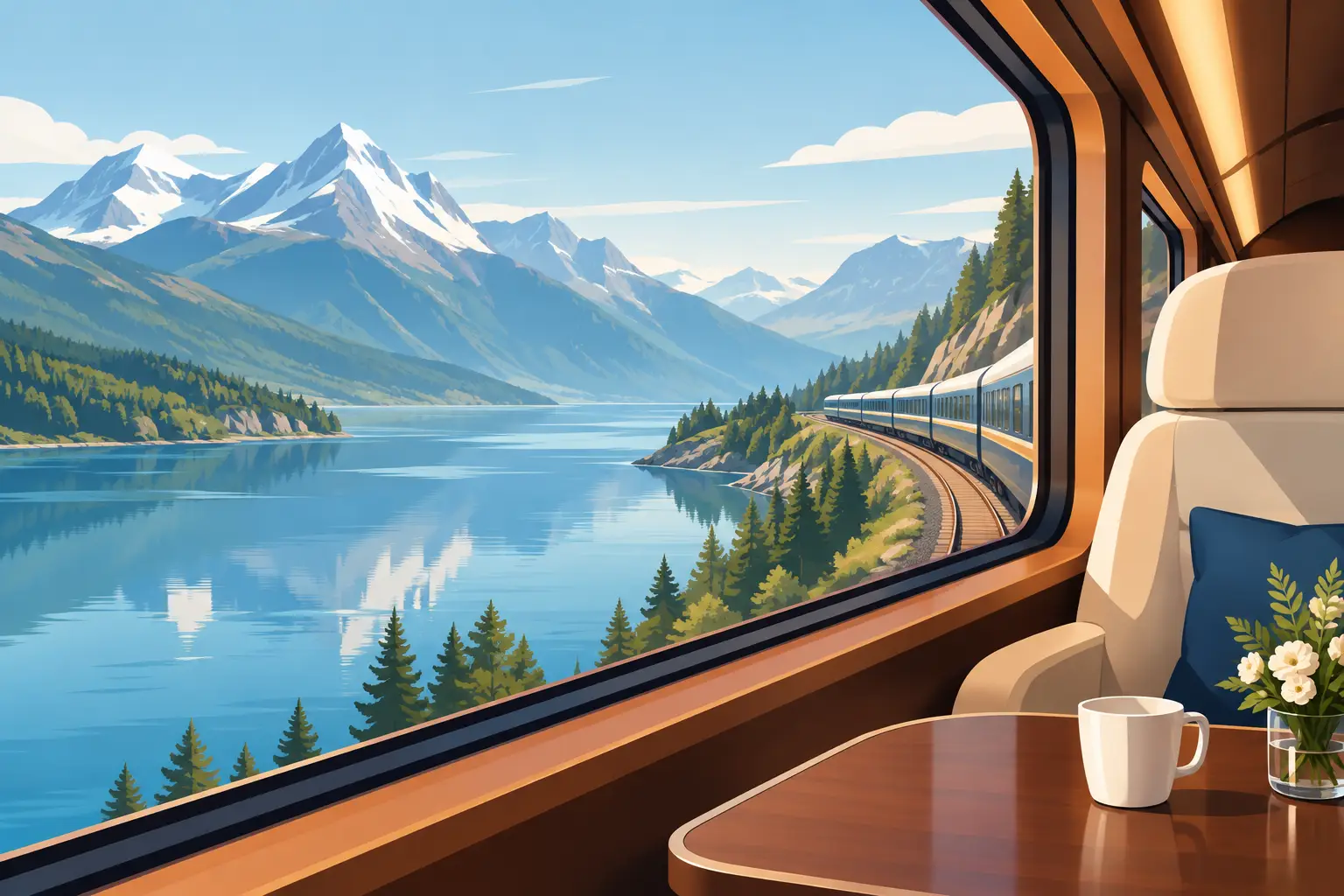
A rail journey changes the pace before you ever arrive. You settle into a beautifully designed carriage, watch a mountain pass or vineyard unfold beyond the window, and let the landscape become part of the trip rather than the space between destinations. The best luxury scenic rail vacations make that feeling possible without asking you to manage luggage transfers, unfamiliar roads, or complicated connections alone.
For travelers who already value exceptional hotels, private touring, and time used well, rail can be a particularly elegant way to see a region. But not every celebrated train is right for every trip. Some are grand, social, and theatrical; others are quiet, nature-forward, and built around the view. The right choice depends on how you like to travel, where the rail journey fits within a larger itinerary, and what kind of comfort matters most to you.
What Makes a Scenic Rail Journey Feel Luxurious?
Luxury on a train is more than polished wood, champagne at departure, or a beautifully set dining table. Those details are lovely, but the real value is the permission to be present. You can cross the Scottish Highlands, the Canadian Rockies, the Peruvian Andes, or southern Africa without spending the day navigating, driving, or repeatedly checking into a new hotel.
The experience tends to be strongest when the train itself has a clear point of view. A heritage journey may emphasize old-world service, formal dinners, and carefully restored carriages. A contemporary train may favor panoramic windows, relaxed dining, and an itinerary focused on landscapes and local excursions. Neither is automatically more luxurious. It depends on whether you want occasion and ceremony or a more understated, immersive style.
There is also a meaningful difference between a train that is your hotel and a premium daytime rail experience paired with hotels. Overnight trains can deliver a wonderful sense of continuity, but cabins are compact by design. Daytime journeys often provide more expansive viewing and allow for larger accommodations before and after the rail segment. For some travelers, especially families or those who value space and privacy, that combination is the better fit.
Choose Your Luxury Scenic Rail Vacation by Travel Style
A famous route is not necessarily the right route. Before comparing trains, decide what you want the journey to do for your vacation.
For romance and a sense of occasion
A classic overnight journey can be extraordinary for anniversaries, honeymoons, and milestone celebrations. Trains such as Venice Simplon-Orient-Express are designed around atmosphere: dressing for dinner, lingering over a cocktail, and waking up in a new country. The journey is as much about the ritual as the route.
That style works best for travelers who enjoy social spaces and appreciate that historic cabins may prioritize character over square footage. A shorter itinerary can be ideal if you want the romance of the experience without making the train the entire vacation. Pair it with a few unhurried nights in exceptional hotels on either end, rather than rushing in or out on the same day.
For landscapes that deserve your full attention
If seeing the scenery is the priority, look closely at daylight hours, viewing cars, and the direction of travel. A route through the Rockies, Alps, Andes, or African savanna can look very different depending on which side of the train receives the best light and whether key scenery happens during daylight.
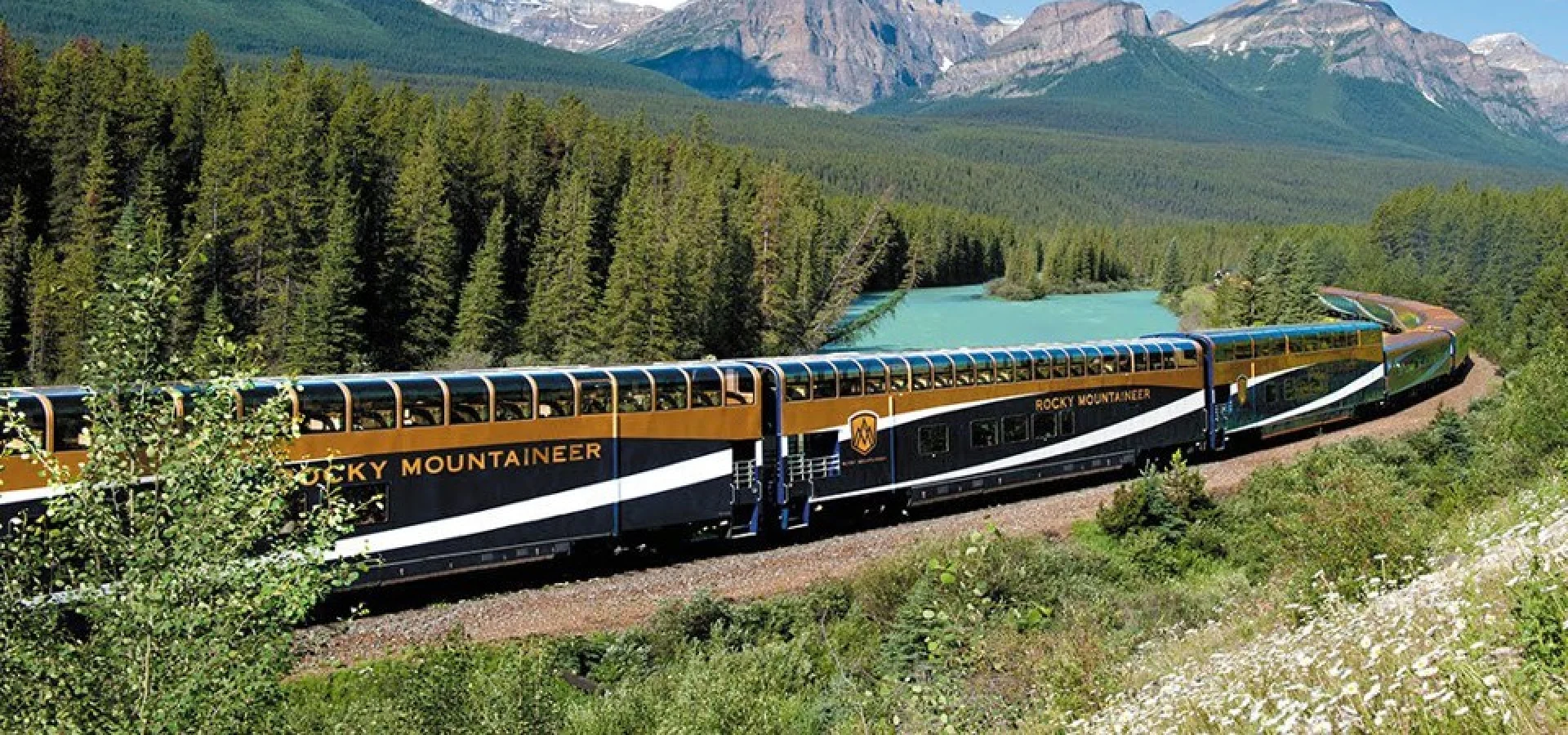
Journeys such as Rocky Mountaineer are particularly appealing to travelers who want dramatic views but prefer a spacious hotel room each night. In South America, Belmond Andean Explorer offers a different kind of immersion, with high-altitude landscapes and a slower, more remote feeling. These trips reward travelers who are comfortable letting the journey set the pace, especially where altitude or limited access makes a relaxed schedule wise.
For culture, food, and meaningful stops
Some rail vacations are best understood as a moving, highly curated itinerary. The train links places that would otherwise require several flights or long drives, while off-train experiences bring you into local markets, historic cities, wineries, or archaeological sites.
In this category, the quality of the included excursions matters as much as the cabin. Ask how much time is actually spent ashore, whether experiences are shared or can be arranged privately, and if there is flexibility for travelers who would rather visit a museum, meet a local guide, or simply enjoy a leisurely afternoon. A beautiful train cannot compensate for an itinerary that feels too rushed or too scripted for you.
The Details That Change the Experience
A rail brochure may make every cabin appear similarly desirable. In reality, category selection can have an outsized effect on comfort. The difference may involve a private bathroom, bed configuration, storage, window size, access to a dedicated lounge, or simply enough room to dress comfortably before dinner.
Cabin placement can matter, too. Cars closer to public spaces may be convenient but livelier, while those at the ends of a train may have more motion. Travelers sensitive to movement should discuss that early, particularly on older rail cars or routes with winding mountain tracks. If quiet is important, the most glamorous-looking cabin is not always the wisest choice.
Dining also deserves a practical conversation. Some luxury trains operate with fixed seating times, shared tables, or limited dietary preparation due to the constraints of a working kitchen on rails. Dietary needs can often be accommodated when communicated in advance, but preferences are not the same as requirements. It is better to confirm what the experience can genuinely support than to assume a restaurant-style menu will be available at every meal.
Finally, be realistic about dress codes and social energy. A train with formal evenings can feel festive and special for one couple, then overly structured for another. The same is true of hosted excursions. There is no wrong answer, but there is a significant difference between a trip that feels polished and a trip that feels performative.
Build the Rail Segment Into a Larger Trip
The most successful rail vacations rarely begin at the station and end at the final platform. They include breathing room before departure, a smart plan for onward travel, and accommodations chosen for location as much as style.
Arriving at least one night before an important rail departure is usually prudent, particularly when an international flight is involved. It protects the journey from delayed luggage or flight disruptions and gives you a chance to settle in. At the other end, avoid building a tight airport connection around a train arrival. Railway timing is generally reliable, but weather, border procedures, operational changes, and track conditions can affect the day.
Transfers deserve just as much attention. A station may be technically close to a hotel or airport but still require a confusing terminal change, a long walk with luggage, or a drive through a congested city. Pre-arranged transportation turns that potentially tiring transition into a calm handoff. On more complex itineraries, private guides and drivers can connect the rail experience to a countryside stay, coastal escape, or another city without losing a day to logistics.
A travel advisor also looks at the less glamorous details: baggage restrictions, pre- and post-tour hotels, flight arrival times, local holidays, and what happens if a connection changes. Lucy Trails Atelier can coordinate the rail journey alongside the stays and transportation around it, with applicable supplier amenities or property-specific benefits confirmed before booking rather than assumed.
When to Go and How Far Ahead to Plan
Season determines more than the view. Spring may bring green landscapes and lighter crowds, while autumn offers dramatic color and a more intimate atmosphere on some routes. Summer can provide the longest daylight hours in northern destinations, yet it is also the most competitive period for popular departures. Winter rail travel can be magical, though weather may affect routes and the scenery may be more subdued in certain regions.
For sought-after trains, the most desirable cabins and dates can sell well in advance. This is especially true for holiday departures, peak foliage windows, school breaks, and journeys with a small number of cabins. Planning early provides more than availability. It gives you the freedom to choose flight schedules, hotels, and pacing that complement the train rather than accepting whatever remains.
Still, advance planning should not mean overfilling the itinerary. Rail travel is most rewarding when there is room to look out the window, linger over lunch, and arrive somewhere with energy left to enjoy it. Choose the journey that gives you that feeling, then protect it with thoughtful connections and a little space around the edges.